.png)
Veterinarian-Approved Dog Food: Impact on Health
- Towanda Brunson
- Feb 9
- 7 min read
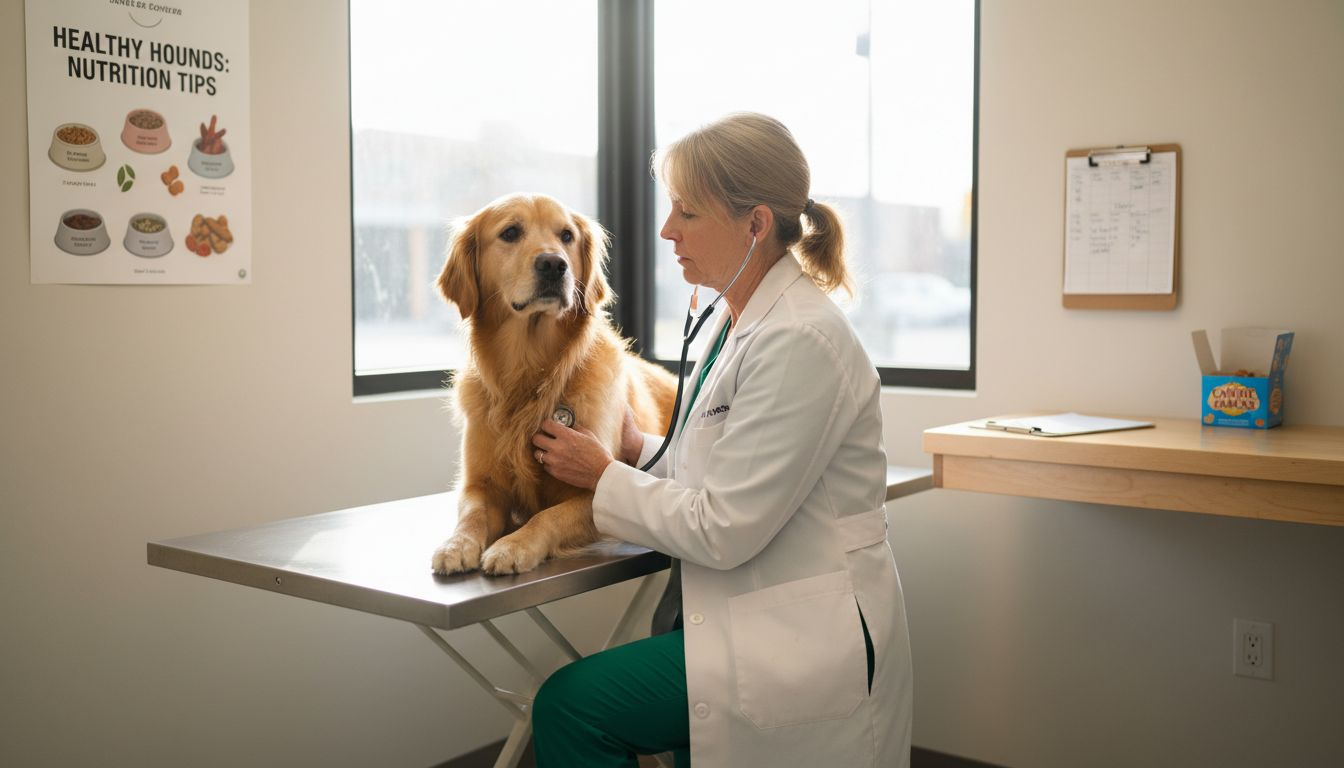
Finding premium, veterinarian-approved freeze-dried dog food in the United States can feel confusing for health-conscious owners who demand more than generic nutrition for their pets. Urban environments bring unique challenges, especially when allergy management and long-term vitality are priorities. This guide covers how American veterinary standards shape the quality of dog food, what makes freeze-dried options superior for sensitive pets, and how choosing targeted nutrition leads to better health outcomes and peace of mind.
Table of Contents
Key Takeaways
Point | Details |
Veterinarian-Approved Dog Food | These diets meet professional medical standards and are formulated to address specific health needs, supporting overall canine wellness. |
Importance of Nutritional Standards | Approved foods adhere to AAFCO standards, ensuring complete nutrition through high-quality ingredients tailored to a dog’s life stage and health requirements. |
Risks of Non-Approved Diets | Homemade and non-approved diets can lead to nutritional deficiencies and serious health risks; always consult a veterinarian before making dietary changes. |
Long-Term Health Benefits | Consistent feeding of veterinarian-approved diets can significantly enhance a dog’s quality of life, immune health, and longevity. |
What Veterinarian-Approved Dog Food Means
When discussing veterinarian-approved dog food, we’re referring to nutrition that meets professional medical standards specifically designed to support canine health. These specialized diets go beyond standard commercial offerings by incorporating scientifically validated nutritional principles that address specific health requirements for dogs.
A veterinarian-approved diet typically encompasses several critical characteristics:
Balanced nutritional profile matching AAFCO standards
Ingredients selected for optimal digestibility
Protein sources that support muscle development
Minimal processing to preserve nutrient integrity
Tailored formulations addressing breed-specific needs
Veterinarians evaluate dog food through rigorous criteria, examining how vet-approved ingredient selections contribute to overall canine wellness. They assess factors like protein quality, micronutrient balance, and potential allergen content to ensure comprehensive nutritional support.
The core difference between standard commercial dog food and veterinarian-approved options lies in their intentional, research-driven approach. Professional veterinary nutritionists collaborate with food manufacturers to develop formulations that promote long-term health, targeting specific physiological requirements across different dog life stages.
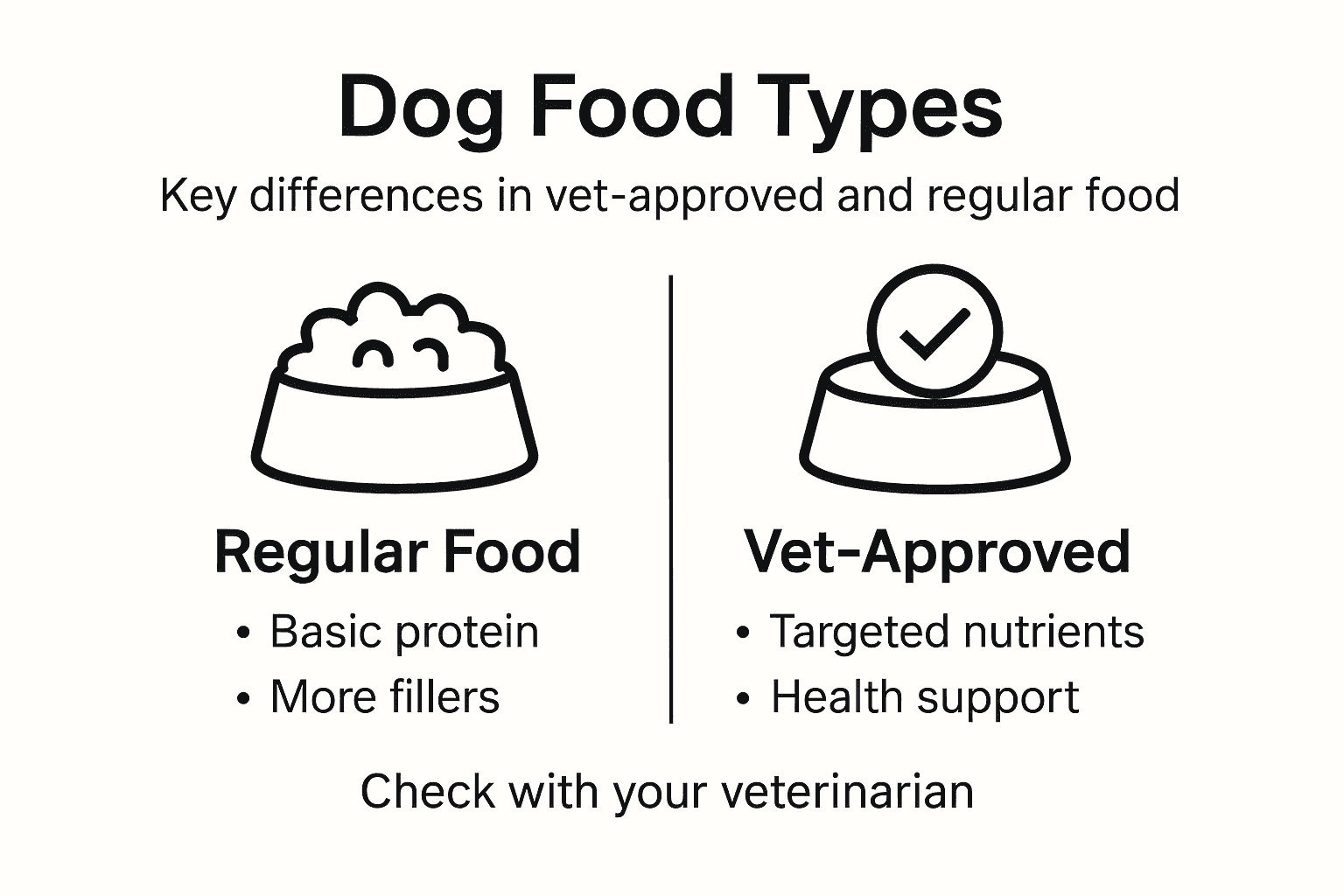
To better understand the differences between standard commercial dog food and veterinarian-approved options, see the comparison below:
Aspect | Commercial Dog Food | Veterinarian-Approved Dog Food |
Development Process | Generic recipes, minimal oversight | Clinical research, expert review |
Targeted Nutritional Support | Broad, average needs | Tailored for health, breed, age |
Ingredient Quality | Variable, often processed | Focused on digestibility and purity |
Health Impact | Basic nutrition; possible gaps | Promotes longevity, disease prevention |
Pro tip: Always consult with your veterinarian to understand the unique nutritional needs specific to your dog’s age, breed, and health condition.
Types and Standards of Vet-Approved Food
Veterinarian-approved dog food encompasses multiple specialized categories designed to address specific canine nutritional needs. These categories are meticulously developed to provide targeted health benefits, ranging from breed-specific formulations to therapeutic dietary solutions for dogs with unique medical requirements.
The primary types of vet-approved dog food include:
Breed-Specific Formulations: Tailored nutrition matching different breed characteristics
Life Stage Diets: Nutrition optimized for puppy, adult, and senior dogs
Therapeutic Diets: Specialized nutrition addressing specific health conditions
Prescription Medical Diets: Veterinarian-prescribed foods for managing chronic diseases
Allergen-Free Options: Diets eliminating common canine food sensitivities
Professional veterinary standards for dog food are rigorous, with comprehensive AAFCO protein standards serving as the primary benchmark for nutritional quality. These standards ensure that dog foods provide complete and balanced nutrition, evaluating critical factors like protein content, digestibility, and micronutrient composition.
Understanding these standards requires deep nutritional expertise. Veterinary nutritionists collaborate extensively with food manufacturers to develop formulations that not only meet minimum nutritional requirements but also support optimal canine health. This collaborative approach ensures that each food type addresses specific physiological needs, considering factors like breed size, age, activity level, and potential health vulnerabilities.
Here is a reference table summarizing specialized types of veterinarian-approved dog food and their intended purpose:
Food Type | Primary Goal | Typical Users |
Breed-Specific Formula | Match breed requirements | Dogs of distinct breeds |
Life Stage Diet | Age-appropriate nutrition | Puppies, adults, seniors |
Therapeutic Diet | Support medical conditions | Dogs with health issues |
Allergen-Free Formula | Minimize food sensitivities | Dogs with allergies |
Pro tip: Request a detailed nutritional consultation with your veterinarian to identify the most appropriate food type for your dog’s unique health profile.
Core Benefits for Dog Health and Longevity
Veterinarian-approved nutrition plays a critical role in extending a dog’s lifespan and enhancing overall health. Impact of diet on dog longevity reveals that targeted nutritional strategies can significantly improve a dog’s quality of life, addressing potential health challenges before they become serious medical concerns.
The core health benefits of veterinarian-approved dog food include:
Enhanced Immune System: Strengthens natural disease resistance
Optimal Weight Management: Prevents obesity-related health issues
Improved Digestive Health: Supports nutrient absorption and gut microbiome
Better Muscle Maintenance: Preserves lean muscle mass across life stages
Reduced Inflammation: Minimizes chronic inflammatory responses
Nutritional experts emphasize that targeted nutrition goes beyond basic calorie provision. Each carefully formulated diet addresses specific physiological needs, considering factors like breed predispositions, age-related changes, and individual metabolic requirements. This approach transforms dog food from mere sustenance to a proactive health management tool.
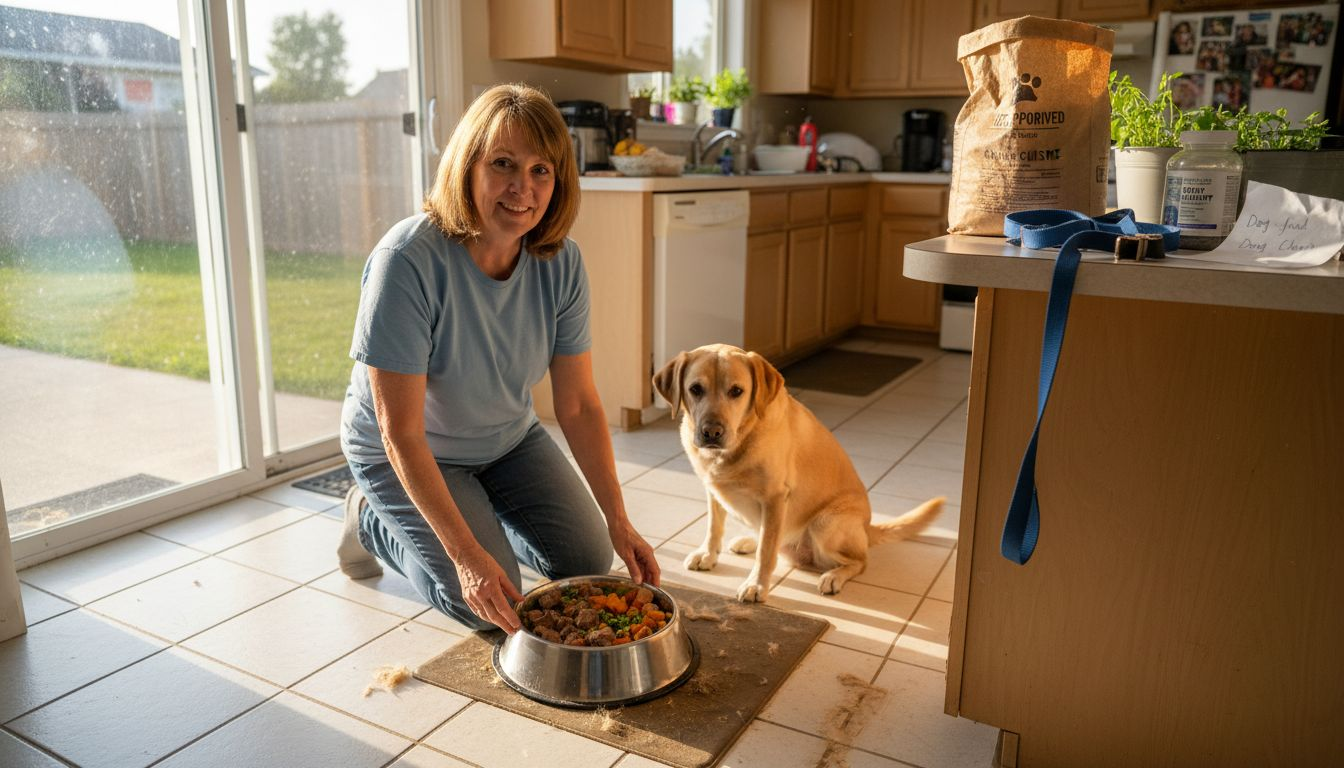
Long-term health benefits are particularly remarkable for dogs receiving consistent, high-quality nutrition. Veterinary research demonstrates that dogs fed scientifically designed diets can experience improved mobility, enhanced cognitive function, and more stable energy levels throughout their lifetime. These nutritional strategies effectively combat age-related decline and support comprehensive wellness.
Pro tip: Schedule annual nutritional consultations with your veterinarian to continuously optimize your dog’s diet based on changing health needs and life stages.
Common Misconceptions and Marketing Claims
The dog food market is rife with misleading marketing claims that can confuse well-intentioned pet owners. Nutrition’s impact on pet longevity reveals that consumers must critically evaluate nutritional information beyond flashy packaging and trendy marketing language.
Common misconceptions about veterinarian-approved dog food include:
Natural Doesn’t Mean Nutritionally Complete: Labels like ‘natural’ or ‘organic’ don’t guarantee balanced nutrition
Price Isn’t Always an Indicator of Quality: Expensive doesn’t automatically mean superior nutritional value
One-Size-Fits-All Approach is Misleading: Individual dogs have unique nutritional requirements
Marketing Terms Are Often Meaningless: Words like ‘premium’ lack scientific definition
Grain-Free Isn’t Always Healthier: Grain-free diets can sometimes lack essential nutrients
Many pet food manufacturers exploit consumer emotions by using persuasive marketing language designed to create perceived value. Terms like ‘holistic’, ‘premium’, and ‘human-grade’ are often used without substantive nutritional backing, creating a marketing narrative that may not align with actual veterinary nutritional science.
Veterinary nutritionists emphasize the importance of looking beyond marketing claims and focusing on scientifically validated nutritional profiles. Dog owners should prioritize foods that meet AAFCO standards, contain high-quality protein sources, and are tailored to their specific dog’s life stage, breed, and health requirements.
Pro tip: Always request a detailed ingredient breakdown and nutritional analysis from pet food manufacturers, and consult with your veterinarian to validate marketing claims.
Risks of Non-Approved and Homemade Diets
Attempting to create homemade dog food without professional guidance can lead to significant nutritional deficiencies and potential health risks. How to Balance Homemade Dog Food highlights the complex nutritional requirements that make DIY dog diets potentially dangerous without expert supervision.
Key risks associated with non-approved and homemade diets include:
Nutritional Imbalances: Potential deficiencies in critical vitamins and minerals
Protein Inadequacy: Incorrect protein levels can compromise muscle development
Calcium and Phosphorus Misalignment: Improper mineral ratios affect bone health
Caloric Miscalculations: Unintentional over or underfeeding
Potential Toxic Ingredient Inclusion: Accidental use of harmful human foods
Veterinary nutritionists warn that well-intentioned pet owners often underestimate the scientific complexity of canine nutrition. Creating a truly balanced diet requires precise understanding of macronutrient ratios, micronutrient requirements, and breed-specific metabolic needs. Most homemade diets fail to meet the comprehensive nutritional standards that professionally formulated dog foods are designed to achieve.
The potential consequences of nutritional mismanagement can be severe, ranging from subtle health deterioration to significant medical complications. Chronic deficiencies can lead to weakened immune systems, muscle loss, poor coat condition, and increased susceptibility to diseases. Professional veterinarians strongly recommend consulting nutrition specialists before attempting any homemade diet strategy.
Pro tip: If considering a homemade diet, always work with a certified veterinary nutritionist to develop a scientifically validated meal plan specific to your dog’s unique health requirements.
Unlock Optimal Health with Veterinarian-Approved Nutrition
Understanding the importance of veterinarian-approved dog food means recognizing the challenge many pet owners face in providing balanced, high-quality nutrition tailored to their dog’s unique needs. This article highlights pain points such as confusing marketing claims, risk of nutritional imbalances in homemade diets, and the need for scientifically supported food options that promote longevity and vitality.
At Loyal Saints Pets, we address these challenges by offering premium, natural freeze-dried dog food crafted with human-grade ingredients that meet AAFCO standards. Whether you seek delicious Beef or nourishing Chicken recipes, our foods are designed to support muscle maintenance, digestive health, and allergy management. Our carefully formulated products bring you peace of mind knowing you are feeding your pet nutrition that veterinarians would recommend.
Elevate your dog’s health journey today with nutrition proven to impact vitality and longevity.
Explore the premium range at Loyal Saints Pets and discover convenient bundles for complete nutrition at Bundles. Don’t wait to give your loyal friend the wholesome care they deserve. Visit now to choose veterinarian-approved dog food that truly makes a difference.
Frequently Asked Questions
What does veterinarian-approved dog food mean?
Veterinarian-approved dog food refers to diets that meet professional medical standards tailored for canine health, promoting overall wellness through scientifically validated nutritional principles.
How does veterinarian-approved dog food differ from commercial dog food?
The primary differences include a research-driven development process, targeted nutritional support for specific breeds or health conditions, and a focus on high-quality, digestible ingredients to meet dogs’ individual needs.
What are the benefits of feeding my dog a veterinarian-approved diet?
A veterinarian-approved diet can enhance your dog’s immune system, maintain optimal weight, improve digestive health, support muscle maintenance, and reduce inflammation, all contributing to a longer, healthier life.
Are homemade dog diets a safe alternative to veterinarian-approved dog food?
Homemade diets can pose risks, including nutritional imbalances and lack of critical nutrients. It’s essential to consult a veterinary nutritionist to develop a safe and balanced meal plan tailored to your dog’s specific health requirements.
Recommended
Comments