.png)
Why avoid additives in pet food? The science explained
- wix mentor

- 2 hours ago
- 8 min read

TL;DR:
Additives in pet food serve preservation, flavor, color, and nutritional purposes, often within regulatory limits.
Scientific evidence shows regulated additives are safe for most dogs, but sensitivities may exist.
Premium, additive-free foods emphasize whole ingredients, better digestibility, and natural preservation methods.
Walk through any pet store or scroll through dog food reviews online, and you will notice a pattern: premium brands proudly announce “no additives,” “no preservatives,” and “no artificial anything.” It sounds reassuring, but it also raises a fair question. If mainstream regulatory bodies like the FDA and AAFCO (Association of American Feed Control Officials) say most additives are safe at controlled levels, why are so many health-conscious dog owners still avoiding them? The answer is more nuanced than a simple “safe” or “dangerous” label. This guide breaks down the real science, the marketing noise, and how you can make a confident, informed choice for your dog.
Table of Contents
Key Takeaways
Point | Details |
Most additives are safe | Additives regulated by AAFCO and FDA rarely cause harm in healthy dogs. |
Premium brands limit synthetics | Natural and veterinarian-approved brands often avoid additives for better digestion and lower inflammation. |
Preservation without chemicals | Techniques like freeze-drying and refrigeration keep pet food fresh without synthetic preservatives. |
Consult your vet first | A veterinarian can help decide if your dog needs additive-free food based on health and sensitivities. |
Why additives are used in pet food
With the debate framed, let’s clarify how and why additives enter your dog’s food in the first place.
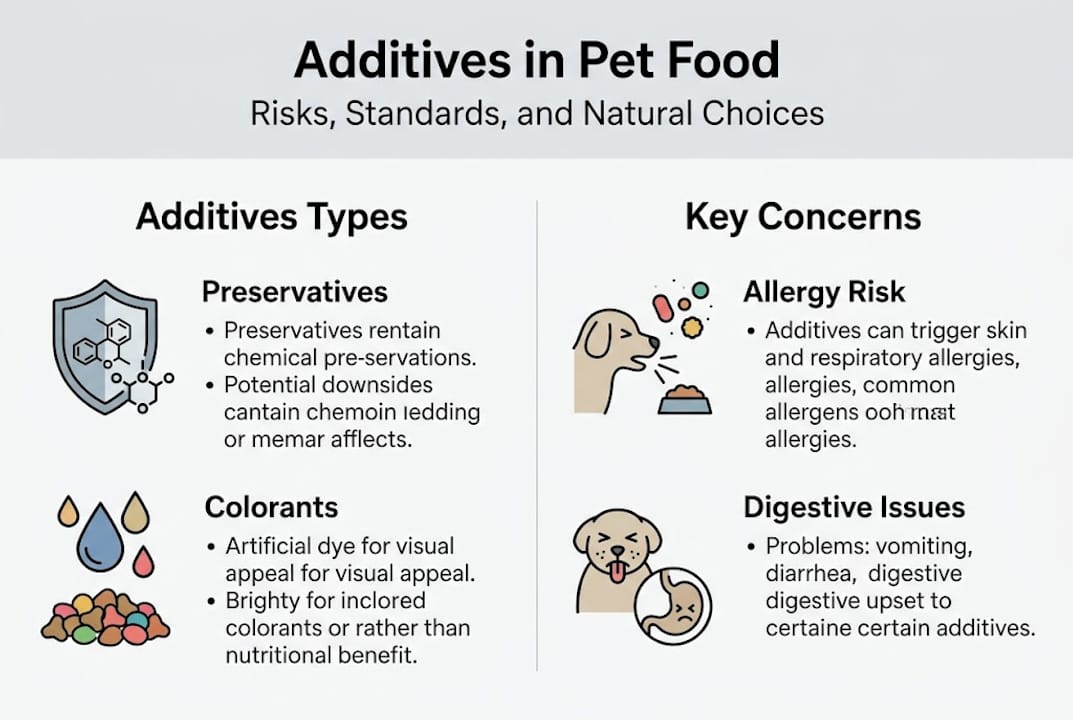
Pet food manufacturers add various substances to their products for practical reasons. Most of these additions fall into a few clear categories:
Preservatives: Prevent spoilage and extend shelf life, keeping food safe from bacteria and mold during storage and shipping.
Flavor enhancers: Boost palatability so dogs actually want to eat the food, especially in lower-quality formulas where whole ingredients are minimal.
Colorants: Give kibble an appealing look, though this benefit is entirely for the human buyer since dogs see color very differently than we do.
Emulsifiers and stabilizers: Keep ingredients from separating and maintain a consistent texture throughout the product.
Vitamins and minerals: Added to meet nutritional requirements, especially in heavily processed foods where cooking destroys natural nutrients.
The core argument from mainstream manufacturers is straightforward: without these additions, dry kibble would spoil quickly, taste bland, and fail to meet basic nutritional standards. Synthetic additives extend shelf life and improve palatability but are criticized in premium natural foods for being unnecessary in minimally processed diets.
“The concern isn’t always about toxicity at regulated doses. It’s about whether these substances are necessary at all when better processing methods exist.” — Veterinary Nutrition Perspective
Here is the part that surprises many pet owners: meta-analyses of 60+ studies show no significant adverse effects when additives are used within AAFCO and FDA limits. That is a meaningful finding. It means the fear driving many “additive-free” purchases is not always backed by hard evidence of harm.
Still, understanding the additive impact on pet health helps you ask better questions. The real issue for many health-focused owners isn’t acute toxicity. It’s whether their dog’s body is better served by whole, minimally processed ingredients that don’t require chemical support to stay shelf-stable.
The safety of additives: What research and regulations really say
Understanding why additives are used raises the question: are they truly dangerous, or is the risk exaggerated?
The short answer is that the risk is largely exaggerated for the average healthy dog. Regulatory bodies set strict limits on every additive permitted in pet food. AAFCO works alongside the FDA to define which substances are approved and at what concentrations. AAFCO defines additives as safe if they are FDA-approved or classified as GRAS (Generally Recognized as Safe), and they are required for shelf-stability in dry foods. However, sensitive dogs may still react with gastrointestinal issues or allergies.
Here is a practical look at common additive types and their regulatory standing:
Additive type | Purpose | Regulatory status |
BHA/BHT | Synthetic preservative | FDA-approved, limited quantities |
Tocopherols (Vitamin E) | Natural preservative | GRAS, widely accepted |
Artificial colors (Red 40) | Visual appeal | FDA-approved, debated |
Carrageenan | Texture stabilizer | GRAS, ongoing review |
Sodium nitrite | Preservation | FDA-approved, restricted use |
Scientific consensus, backed by no proven harm in regulated additive use, is clear: following guidelines keeps most dogs safe. But “most” is the operative word. Some dogs, particularly those with food sensitivities, inflammatory bowel conditions, or known allergies, may respond poorly to specific additives even at permitted levels.
Pro Tip: If your dog shows recurring digestive upset, skin irritation, or loose stools, don’t immediately blame protein sources. Check the ingredient label for synthetic preservatives and colorants first, then consult your vet before switching foods.
The smartest approach isn’t blanket avoidance based on fear. It’s understanding AAFCO pet food standards and using that knowledge to evaluate labels critically. A vet who knows your dog’s health history is always your best resource for personalized guidance.
Why premium brands avoid additives and what this means for your dog
Despite safety claims, why are so many top brands moving away from additives altogether?
The answer involves both science and philosophy. Veterinarians note that while some additives like natural antioxidants are genuinely beneficial, premium brands avoid synthetics for better digestibility, reduced inflammation, and mimicking ancestral diets. Dogs evolved eating whole prey, not shelf-stable kibble packed with chemical stabilizers.
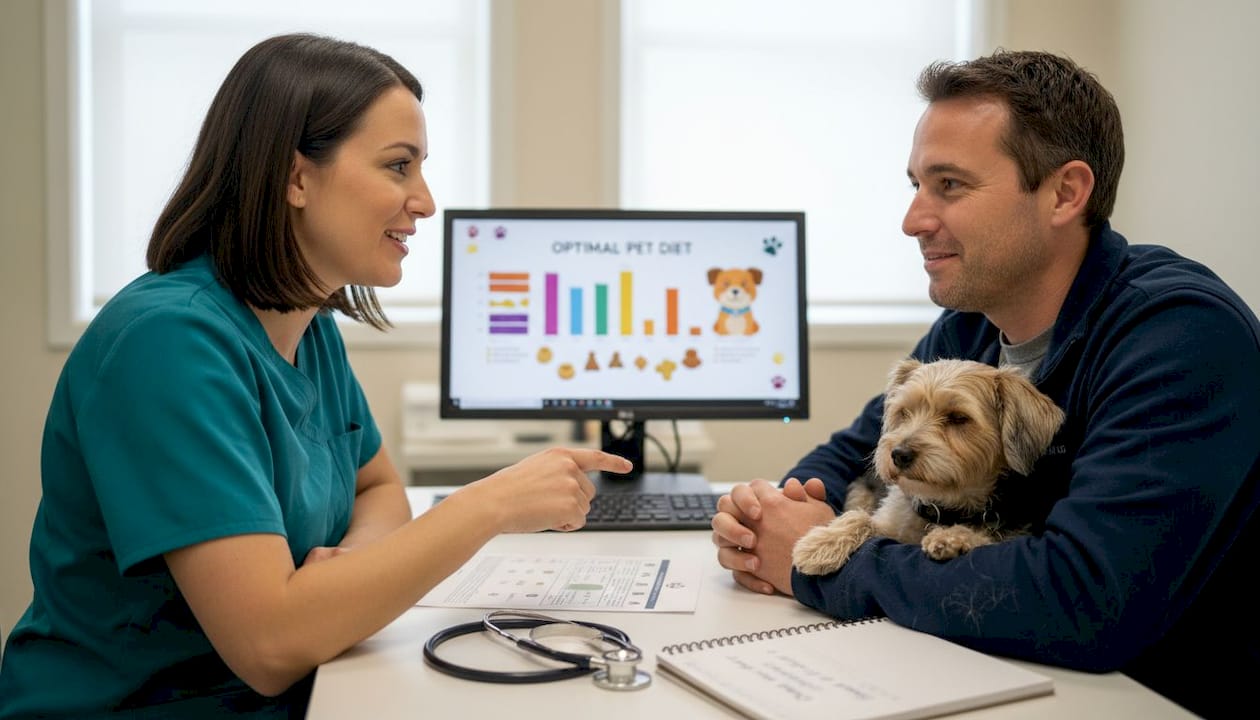
Here is how additive-free formulas compare to standard options:
Feature | Additive-free premium food | Standard commercial food |
Digestibility | Higher, fewer gut irritants | Variable, depends on formula |
Ingredient transparency | Whole, named ingredients | Often generic or by-product |
Inflammation risk | Lower with whole foods | Higher with synthetic additives |
Shelf life | Shorter, requires proper storage | Longer due to preservatives |
Cost | Higher per serving | Lower per serving |
It’s worth noting that not all additives are the enemy. Natural antioxidants like mixed tocopherols (a form of Vitamin E) and rosemary extract actually protect food quality while supporting your dog’s cellular health. The issue is specifically with synthetic compounds that serve no nutritional purpose.
When shopping, watch for these red flags on labels:
Vague terms like “natural flavor” without a named source
Color additives with no functional purpose (dogs don’t care if kibble is brown or orange)
Preservatives like BHA, BHT, or ethoxyquin in the first five ingredients
“No additives” claims paired with an ingredient list full of unrecognizable chemical names
Pro Tip: A genuinely additive-free food will have a short, readable ingredient list where you recognize every item. If you can’t picture the ingredient as a whole food, that’s worth investigating.
Exploring freeze-dried food health benefits is a great starting point, and pairing that with vet-approved diets ensures your dog gets complete nutrition. The goal is always balance: real ingredients, proven nutrition, and a formula your specific dog thrives on. You can also learn more about the advantages of whole ingredient pet foods for a deeper understanding.
Natural preservation: How additive-free foods stay fresh
That leads to a practical question: if additive-free foods skip shelf-life chemicals, how do they stay fresh and safe?
The good news is that modern food technology offers several effective alternatives to synthetic preservatives. Synthetic additives are unnecessary in minimally processed diets like fresh, raw, or gently cooked options that use refrigeration or natural preservation methods instead.
Here is how the most common natural preservation methods work:
Freeze-drying: Water is removed from raw food under low pressure and temperature, eliminating the moisture bacteria need to grow. The result is a shelf-stable product that retains nutrients and flavor without any chemical assistance.
Refrigeration and freezing: Fresh or raw foods stay safe simply by keeping temperatures low enough to halt bacterial growth. No chemicals needed, just consistent cold storage.
Vacuum-sealing: Removing oxygen from packaging prevents oxidation and slows spoilage dramatically, extending freshness without additives.
High-pressure pasteurization (HPP): A cold-water pressure process that kills pathogens in raw foods without heat or chemicals, preserving nutritional integrity.
Natural antioxidants: Ingredients like Vitamin E, Vitamin C, and rosemary extract protect fats from going rancid naturally.
“Minimal processing isn’t just a marketing term. It’s a measurable difference in how much nutritional value survives from raw ingredient to your dog’s bowl.”
For practical day-to-day handling, storing freeze-dried food correctly makes all the difference. Keep it sealed, away from heat and moisture, and reseal tightly after each use. If you’re curious about how these options compare in terms of convenience and nutrition, reading about freeze-dried vs. fresh food gives you a clear side-by-side picture. For a broader view on why processing level matters, the benefits of minimally processed pet food are well worth exploring.
Our take: The real value and limit of additive-free dog food
With all this context, it’s time to cut through the noise and share what really matters.
Science is clear: regulated additives don’t harm most dogs. But that finding doesn’t mean additive-free foods are just a marketing gimmick. Whole, minimally processed foods offer real, measurable benefits in digestibility, reduced gut inflammation, and ingredient transparency that genuinely matters for long-term wellness. The problem is when “natural” becomes a buzzword that replaces actual nutritional thinking.
We’ve seen too many well-meaning dog owners switch to an additive-free food that’s nutritionally incomplete, thinking the label alone means better health. It doesn’t. A balanced diet, appropriate for your dog’s age, size, and health status, matters far more than any single ingredient claim.
The smartest approach combines both: choose foods with whole, recognizable ingredients and minimal processing, verify they meet AAFCO nutritional standards, and stay responsive to how your individual dog looks, feels, and performs. That’s what natural pet nutrition done right actually looks like. Fads come and go. Your dog’s long-term health is what stays.
Explore additive-free nutrition with Loyal Saints
If you’re inspired to make a change, here’s where to start.
At Loyal Saints, we built our entire product line around one belief: your dog deserves food made from real, whole ingredients with nothing unnecessary added. Our freeze-dried formulas are veterinarian-approved, AAFCO-compliant, and free from synthetic preservatives, artificial colors, and fillers.
Every bag is crafted from human-grade proteins, fruits, and vegetables, preserved naturally through freeze-drying so your dog gets maximum nutrition in every serving. If you’ve been wondering whether additive-free food is right for your pup, explore why choose freeze-dried to see the science behind our approach. Ready to browse? Check out our full range of premium additive-free options and find the perfect fit for your dog’s needs.
Frequently asked questions
Are any pet food additives actually harmful?
Most scientific reviews confirm that additives within AAFCO/FDA limits pose no significant risk, though some sensitive dogs may experience allergies or digestive upset with specific synthetic compounds.
Why do some premium brands market ‘no additives’ if additives are considered safe?
Premium brands avoid synthetics because better digestibility and reduced inflammation align with ancestral diet models, and their processing methods simply don’t require chemical preservation.
How can additive-free foods stay fresh without preservatives?
Methods like freeze-drying, refrigeration, and vacuum-sealing prevent spoilage naturally, making synthetic additives unnecessary in minimally processed or fresh food formats.
Should all dogs avoid additives or only those with health conditions?
Most healthy dogs tolerate regulated additives safely, but dogs with allergies, inflammatory conditions, or digestive sensitivities may genuinely benefit from an additive-free diet. Always consult your veterinarian before making a switch.
Recommended
Comments