.png)
Role of Diet in Dog Longevity: Proven Impacts
- Nick Willkom
- Jan 18
- 7 min read


Finding a truly nutritious food for your dog in a busy city can feel complicated and stressful. For many American pet owners, the question is not just about convenience but ensuring each meal adds years and vitality to their dog’s life. Veterinary experts confirm that nutritional strategies directly impact longevity and protect against chronic disease, making your choice in diet an investment in your best friend’s future.
Table of Contents
Key Takeaways
Point | Details |
Diet affects longevity | Strategic dietary interventions can significantly impact a dog’s lifespan and quality of life. |
Personalized nutrition is essential | Nutrition should be tailored to a dog’s specific life stage, breed, and health profile to optimize health. |
Weight management is crucial | Maintaining an ideal body weight supports physiological functions and can enhance a dog’s life expectancy. |
Consult veterinary professionals | Regular consultations with veterinarians can help adapt dietary strategies to changing health needs. |
Diet and Longevity in Dogs Explained
Understanding the connection between diet and longevity represents a critical frontier in canine health research. Modern veterinary science increasingly recognizes that nutritional strategies can significantly impact a dog’s lifespan and overall quality of life. The comprehensive nutrition research from the American Animal Hospital Association highlights how strategic dietary interventions can dramatically influence canine health outcomes.
Nutritional science reveals that diet plays a multifaceted role in extending a dog’s life. Proper nutrition supports cellular health, manages weight, reduces inflammation, and helps prevent age-related diseases. The Dog Aging Project demonstrates that dogs receiving balanced, high-quality diets experience fewer chronic health complications and maintain better physiological function as they age. Key nutritional factors include protein quality, appropriate caloric intake, essential fatty acids, and micronutrient balance.
Dogs require personalized nutritional approaches that adapt to their specific life stages, breed characteristics, and individual health profiles. Factors like metabolism, activity level, and genetic predispositions influence dietary needs. Veterinary nutritionists recommend regular body condition assessments, portion control, and selecting foods that provide comprehensive nutritional profiles. High-quality proteins, omega-3 fatty acids, antioxidants, and carefully balanced micronutrients contribute to cellular repair, immune function, and metabolic efficiency.
Pro tip: Consult with your veterinarian annually to reassess and customize your dog’s nutritional plan, ensuring optimal diet adaptation as they age.
Nutrient Types and Their Key Roles
Understanding the complex world of canine nutrition requires a deep dive into the essential nutrient types that power a dog’s health and longevity. Nutritional guidelines from the American Animal Hospital Association reveal that balanced nutrient intake is fundamental to maintaining optimal canine health. Each nutrient category plays a unique and critical role in supporting physiological functions, cellular health, and overall vitality.
The primary nutrient categories include proteins, fats, carbohydrates, vitamins, and minerals. Proteins are the building blocks of cellular repair and muscle maintenance, providing essential amino acids that support immune function and tissue regeneration. Fats serve multiple crucial purposes, delivering concentrated energy, supporting hormone production, and facilitating absorption of fat-soluble vitamins. Carbohydrates offer readily available energy and support digestive health through fiber content. Vitamins and minerals act as critical cofactors in numerous metabolic processes, helping to regulate everything from bone density to neurological function.
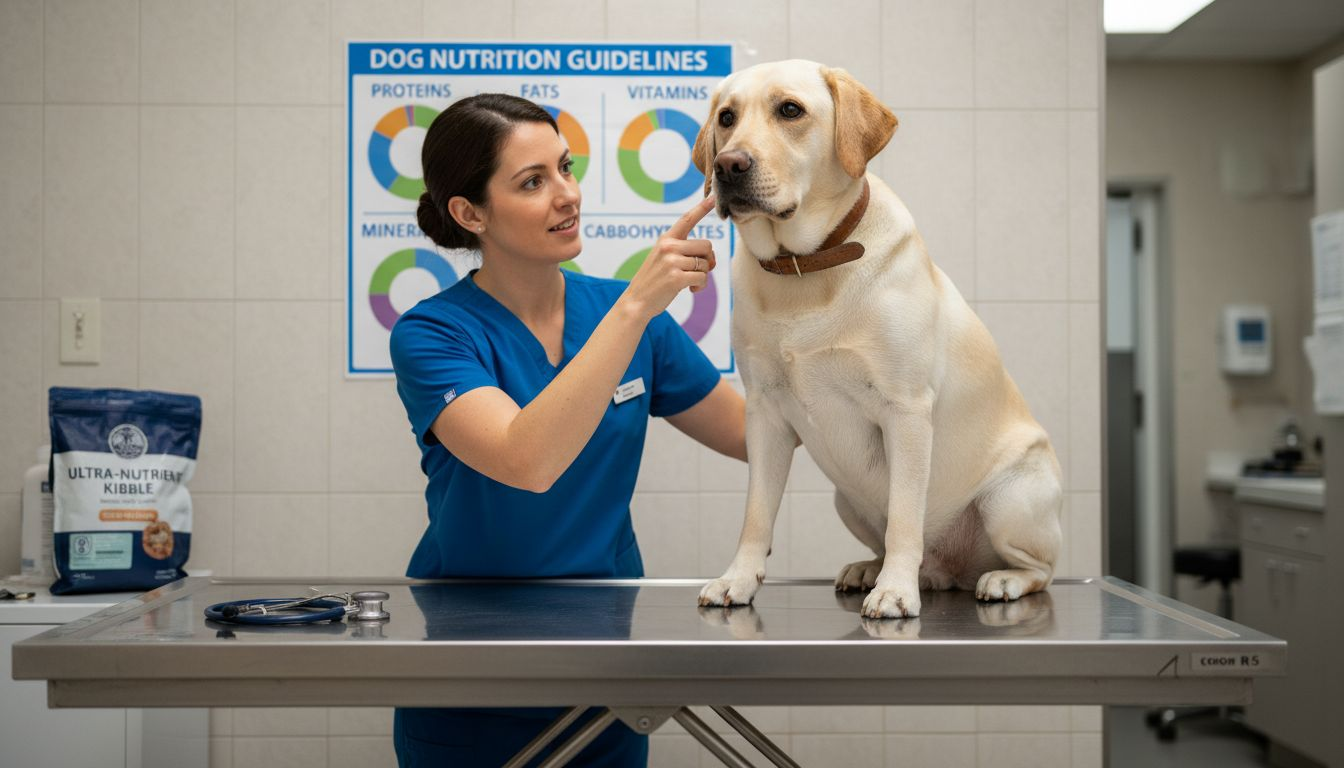
Here’s how primary canine nutrient types function and support longevity:
Nutrient Type | Main Function | Longevity Impact |
Proteins | Muscle repair, immune support | Maintains strength, resilience |
Fats | Energy, vitamin absorption | Supports cognitive and joint health |
Carbohydrates | Quick energy, digestion | Promotes efficient metabolism |
Vitamins/Minerals | Enzyme function, bone health | Boosts immunity, slows aging |
Nutrient requirements are not static but dynamically change based on a dog’s life stage, breed, activity level, and health status. The European Pet Food Industry Federation emphasizes the importance of tailoring nutritional profiles to individual dog needs. Puppies require higher protein and calorie intake for growth, while senior dogs benefit from carefully balanced nutrients that support joint health, cognitive function, and metabolic efficiency. Breed size, genetic predispositions, and activity levels further influence specific nutritional requirements.
Pro tip: Request a comprehensive nutritional assessment from your veterinarian to develop a personalized diet plan that precisely matches your dog’s unique metabolic needs and health goals.
Influence of Weight and Caloric Intake
Weight management represents a critical determinant of canine longevity, with profound implications for overall health and life expectancy. Obesity research in dogs reveals that excessive body weight dramatically increases the risk of numerous health complications. Maintaining an ideal body weight is not just about appearance, but about supporting fundamental physiological functions and preventing chronic diseases that can significantly reduce a dog’s quality of life and lifespan.
The physiological consequences of excess weight are substantial and multifaceted. Overweight dogs experience increased stress on their joints, compromised cardiovascular function, and higher risks of metabolic disorders like diabetes and hypertension. Excess body fat produces inflammatory compounds that accelerate cellular aging, disrupt hormone regulation, and impair immune system performance. Weight management guidelines from the American Animal Hospital Association emphasize that even a few extra pounds can reduce a dog’s life expectancy by up to two years, making caloric control a critical aspect of preventative health care.
Effective weight management requires a comprehensive approach that integrates precise nutritional strategies, regular physical activity, and consistent monitoring. Veterinary nutritionists recommend calculating a dog’s Resting Energy Requirement (RER) and adjusting caloric intake based on age, breed, activity level, and metabolic health. Portion control, selecting nutrient-dense foods, avoiding excessive treats, and implementing regular exercise routines are key strategies. Different life stages demand unique approaches dogs require carefully calibrated diets that support growth in puppies, maintain optimal weight in adults, and address metabolic changes in senior years.
Pro tip: Schedule bi-annual body condition assessments with your veterinarian to track weight trends and proactively adjust your dog’s nutrition and exercise plan.
Fresh, Whole Foods Versus Processed Diets
The debate between fresh whole foods and processed diets represents a critical consideration in canine nutrition and longevity. Nutritional research in dog diets reveals that both dietary approaches have distinct advantages and potential drawbacks. Understanding the nuanced differences can help pet owners make informed decisions that optimize their dog’s health and potentially extend their lifespan.
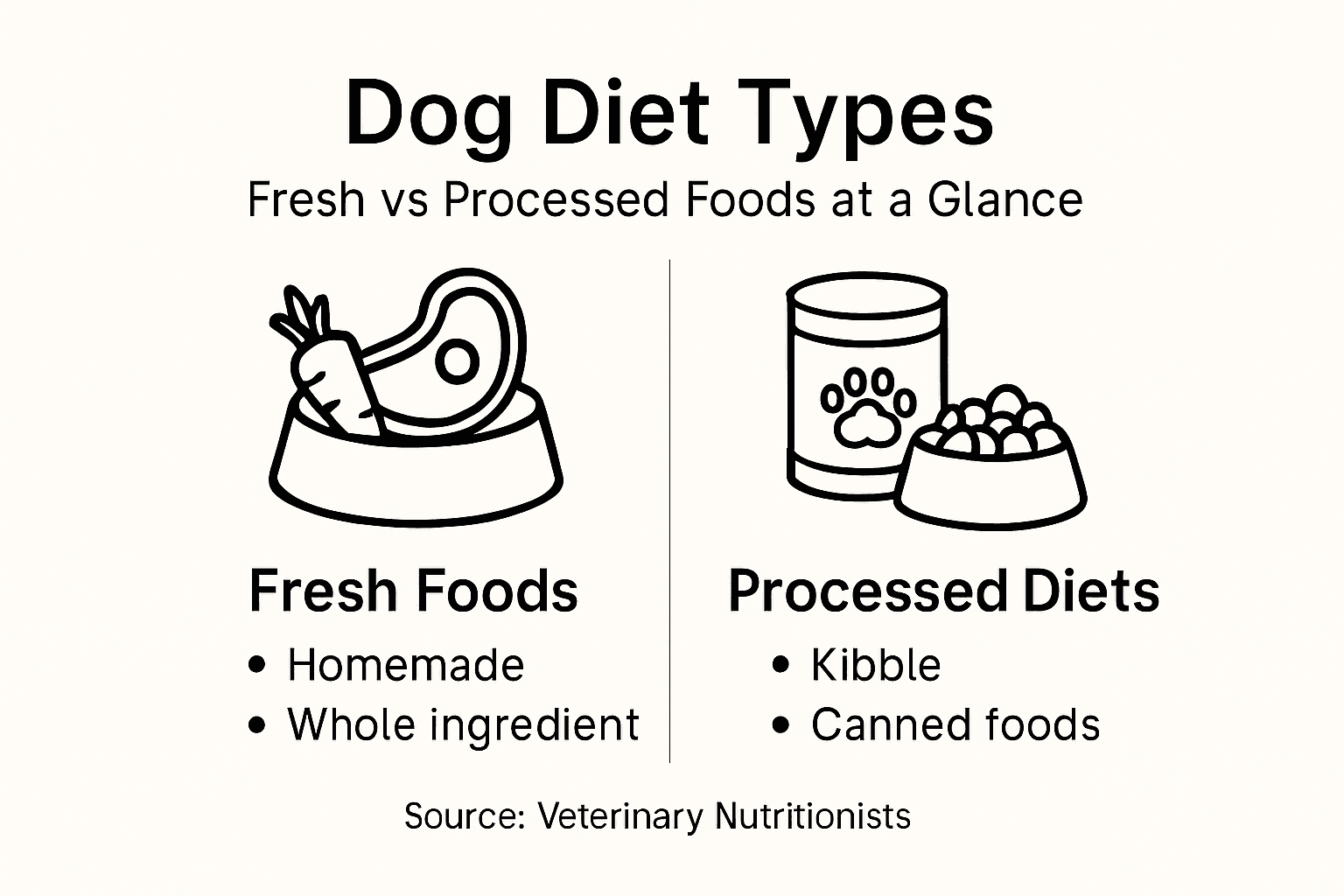
Processed commercial diets offer standardized nutrition with carefully balanced macronutrients and micronutrients designed to meet established dietary requirements. These foods undergo rigorous scientific formulation to ensure consistent nutritional profiles, which can provide reliable baseline nutrition. Whole food diets, by contrast, emphasize unprocessed, natural ingredients that potentially deliver higher nutrient bioavailability and fewer artificial additives. Fresh ingredients can provide enhanced antioxidant profiles, more recognizable protein sources, and potentially more diverse nutritional compounds that support cellular health and immune function.
However, the key to successful nutrition lies not in choosing between whole foods or processed diets, but in ensuring comprehensive nutritional balance. Canine nutrition guidelines consistently emphasize that diet quality matters more than diet type. Whole food diets require meticulous planning to prevent nutritional deficiencies, while high-quality processed foods can provide complete nutrition. Factors like ingredient sourcing, preparation methods, protein quality, and individual dog health considerations ultimately determine dietary effectiveness. Pet owners should prioritize nutrient density, digestibility, and alignment with their individual dog’s metabolic needs.
Here’s a comparison of fresh whole foods and processed diets for dogs:
Diet Type | Key Benefit | Main Challenge | Best Use Case |
Fresh Whole Foods | Higher nutrient bioavailability | Requires careful balancing | Dogs with food sensitivities |
Processed Diets | Consistent nutritional content | Potential for additives | Most dogs for convenience |
Pro tip: Consult with a veterinary nutritionist to develop a personalized diet plan that combines the best nutritional strategies for your dog’s specific health profile and life stage.
Risks, Common Mistakes, and Vet Guidance
Navigating canine nutrition requires understanding the potential pitfalls that can compromise a dog’s health and longevity. Veterinary nutrition guidelines reveal numerous common mistakes that pet owners inadvertently make, which can significantly impact their dog’s nutritional well-being. These errors range from inappropriate portion sizes to unbalanced dietary compositions that can lead to serious health complications.
Some of the most prevalent nutritional risks stem from well-intentioned but misguided feeding practices. Owners often overfeed, provide excessive treats, or create homemade diets without proper nutritional understanding. Nutrient imbalances can lead to significant health issues, including obesity, muscle loss, compromised immune function, and accelerated aging. Specific risks include protein deficiencies, calcium-phosphorus imbalances, and inadequate micronutrient intake. Certain breeds and individual dogs have unique metabolic requirements that demand personalized nutritional approaches, making generic feeding strategies potentially harmful.
Professional veterinary guidance is crucial in developing a comprehensive nutritional strategy. Veterinary nutritionists recommend comprehensive assessments that consider multiple factors: age, breed, activity level, existing health conditions, and genetic predispositions. Regular body condition scoring, blood work, and metabolic evaluations help track nutritional effectiveness. Owners should view their veterinarian as a critical partner in developing a dynamic nutritional plan that adapts to their dog’s changing health needs, preventing potential diet-related diseases and supporting optimal longevity.
Pro tip: Schedule an annual comprehensive nutritional consultation with your veterinarian to proactively assess and adjust your dog’s dietary strategy based on their evolving health profile.
Enhance Your Dog’s Longevity with Thoughtful Nutrition Choices
The article highlights the critical role diet plays in extending your dog’s lifespan by managing weight, providing balanced nutrients, and supporting overall health. If you want to avoid common pitfalls like nutrient imbalances or excess calories that accelerate aging, choosing the right food is essential. Loyal Saints Pets offers premium freeze-dried dog foods made from human-grade whole ingredients that align perfectly with these nutritional needs. Their products deliver high-quality proteins, balanced micronutrients, and no additives or fillers to support muscle strength, immune function, and vitality.

Take the step to invest in your dog’s health today by exploring the natural, veterinarian-approved options available at Loyal Saints Pets. Don’t wait until weight issues or nutrient deficiencies shorten your companion’s joyful years. Visit https://loyalsaintspets.com now to provide a wholesome, long-lasting diet that promotes strength, energy, and longevity for your best friend.
Frequently Asked Questions
What nutrients are essential for my dog’s longevity?
Essential nutrients for dog longevity include high-quality proteins, healthy fats (like omega-3 fatty acids), carbohydrates for energy, as well as vitamins and minerals that support metabolic processes and immune function.
How does weight impact my dog’s lifespan?
Weight management is crucial for dog longevity. Excess body weight can lead to health issues such as joint stress, cardiovascular problems, and metabolic disorders, potentially reducing life expectancy by up to two years.
Should I choose fresh whole foods or processed diets for my dog?
Both fresh whole foods and processed diets have benefits. Fresh foods may offer higher nutrient bioavailability, while processed diets provide consistent, balanced nutrition. The best choice depends on your dog’s specific health needs and dietary requirements.
How can I personalize my dog’s diet effectively?
To personalize your dog’s diet, consult with a veterinarian or a veterinary nutritionist. They will assess your dog’s age, breed, activity level, and health status to develop a tailored nutrition plan that meets their unique metabolic needs.
Recommended
Comments