.png)
Top longevity-boosting pet foods to help your dog thrive
- wix mentor

- 14 hours ago
- 8 min read

TL;DR:
Choosing lean body condition and high-quality minimal-processed foods can extend a dog’s lifespan.
Freeze-dried raw and human-grade cooked foods preserve nutrients better than standard kibble.
Tailoring diet to your dog’s age, breed, and health needs with vet guidance optimizes longevity.
Every dog owner wants more years, more tail wags, and more happy mornings with their best friend. But here’s the hard truth: not every food labeled “premium” or “natural” actually supports a longer, healthier life for your dog. Choosing the right food is one of the most impactful decisions you can make, and caloric restriction can extend dog lifespan by up to 1.8 years. That’s nearly two extra years of fetch, cuddles, and companionship. This guide walks you through the science-backed criteria, top commercial options, and practical steps to help your dog thrive at every life stage.
Table of Contents
Key Takeaways
Point | Details |
Lean body matters most | Maintaining a lean body condition adds years to your dog’s life and staves off chronic disease. |
Human-grade foods excel | Minimally processed, human-grade formulas deliver superior antioxidant and metabolic benefits for aging dogs. |
Balance and vet oversight | Commercial premium or vet-supervised diets are safer and more complete than DIY approaches for longevity. |
Personalization is key | Tailoring food choices to breed, life stage, and health status yields the best longevity results. |
Key criteria for longevity-boosting pet foods
Not all “healthy” dog foods are built the same. If you want your dog to live longer and feel better every day, knowing what to look for matters more than trusting a flashy label.
Lean body condition comes first. Research consistently shows that keeping your dog at a Body Condition Score (BCS) of 4 to 5 out of 9, meaning lean but not underweight, is one of the most powerful longevity levers available. Caloric control for longevity isn’t just about cutting calories. It’s about feeding the right amount of quality food so your dog maintains an ideal weight throughout life.
Minimally processed, human-grade ingredients make a real difference. Fresh, human-grade minimally processed dog food reduces harmful compounds and improves metabolism compared to heavily processed alternatives. When food is cooked at extreme temperatures, it produces advanced glycation end products (AGEs), compounds that accelerate cellular aging. Choosing foods with minimal heat processing limits your dog’s exposure to these harmful byproducts. You can read more about the advantages of human-grade dog food on our blog.
Here are the core nutrients your dog’s longevity food should include:
High-quality protein: 25 to 35% of calories from animal-based sources to maintain lean muscle mass
Omega-3 fatty acids: From fish oil or whole fish for anti-inflammatory support and cognitive health
Antioxidants: From whole fruits and vegetables like blueberries, spinach, and sweet potato
Controlled phosphorus: Important for kidney health, especially in senior dogs
Probiotics: To support gut health, immune function, and nutrient absorption
Key longevity-boosting ingredients include omega-3s, high-quality proteins, antioxidants, and controlled phosphorus, and these work best when they come from whole food sources rather than synthetic additions. Understanding the role of probiotics in your dog’s diet is also worth exploring as part of a complete longevity strategy.
Digestibility matters more as dogs age. Senior and large-breed dogs often absorb nutrients less efficiently, making food quality even more critical during their later years.
One important caution: home-prepared diets sound appealing but carry real risks without veterinary guidance. Balancing every nutrient by hand is extremely difficult, and nutritional gaps can quietly cause harm over time.
Pro Tip: Ask your vet to calculate your dog’s Resting Energy Requirement (RER) to set a precise daily calorie target. This keeps your dog lean without guesswork.
Top longevity-boosting commercial pet foods (and what makes them work)
With the essential criteria clear, let’s explore standout commercial dog foods that meet or exceed these longevity standards.
The good news is that several commercial food types genuinely deliver on their longevity promises when you know what to look for. Premium foods or vet-formulated fresh diets are usually nutritionally complete, unlike most home-prepared diets. Here’s how the top commercial formats compare:
Food type | Protein % | Omega-3 sources | Antioxidant ingredients | AAFCO approved |
Human-grade cooked | 28-35% | Fish, flaxseed | Blueberries, kale, carrots | Yes |
Freeze-dried raw | 30-40% | Salmon, sardines | Sweet potato, spinach | Yes |
High-omega kibble | 22-28% | Fish meal, fish oil | Peas, tomatoes | Yes |
Standard kibble | 18-24% | Added fish oil | Synthetic vitamins | Yes |
Freeze-dried raw foods stand out because they preserve nutrients without high heat, locking in naturally occurring enzymes, vitamins, and amino acids. For more on these human-grade pet food benefits, including how real ingredients translate into real results, our blog breaks it down clearly.
Here’s what to look for in any commercial longevity formula:
Named animal proteins as the first one or two ingredients (chicken, salmon, turkey, beef)
Whole food sources of antioxidants, not just “mixed tocopherols” as the only mention of protection
AAFCO statement confirming the food is complete and balanced for your dog’s life stage
Short, recognizable ingredient lists without fillers, artificial preservatives, or by-product meals
Breed and age matter here too. Large breeds benefit from nutrition for senior dogs formulas with controlled phosphorus and added joint support, while small breeds often do better with calorie-dense, nutrient-rich options given their faster metabolisms. Looking into dog food for vitality by life stage can make a meaningful difference in how your dog feels day to day.
Pro Tip: Always choose a food with an AAFCO “feeding trial” statement over one that simply “meets nutrient profiles.” Feeding trials mean real dogs ate the food and thrived on it.
Stat to remember: Most dogs eating standard kibble show measurable antioxidant deficits by age seven. Switching to a nutrient-dense, minimally processed option before this window closes is one of the smartest moves you can make.
Comparison of popular longevity-focused pet food types
Next, let’s break down how each pet food format stacks up in terms of actual longevity impact and daily practicality.
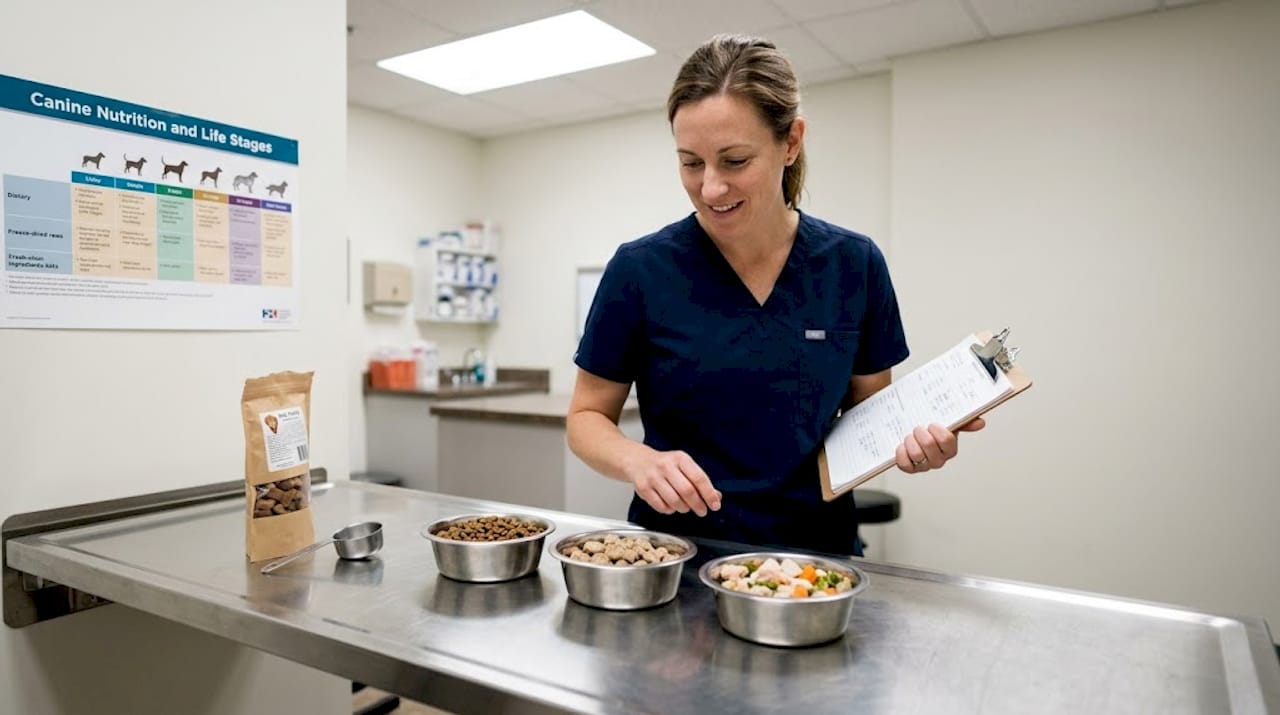
Food processing is a bigger deal than most labels suggest. High heat used in standard kibble production creates AGEs and destroys heat-sensitive vitamins and antioxidants, making the baseline nutrition significantly lower than what whole-food alternatives offer. Fresh, human-grade minimally processed foods showed rapid metabolic and antioxidant improvements in senior dogs within just one month of switching.
Food type | Longevity benefit | Digestibility | Convenience | Cost |
Standard kibble | Low | Moderate | Very high | Low |
Grain-free kibble | Low to moderate | Moderate | Very high | Moderate |
Human-grade cooked | High | Very high | Moderate | High |
Freeze-dried raw | Very high | Very high | High | Moderate to high |
Raw (home-prepared) | Variable | High | Low | Variable |
Freeze-dried and human-grade cooked foods consistently outperform conventional kibble for longevity outcomes. They deliver better protein bioavailability, higher antioxidant retention, and fewer inflammatory compounds. Understanding what human-grade pet food actually means helps you cut through marketing noise and choose with confidence.
Key takeaways from the comparison:
Freeze-dried raw preserves nearly all nutrients found in fresh food without the food safety risks of completely raw diets
Human-grade cooked foods offer the best digestibility for older or sensitive stomachs
Standard kibble, even premium brands, tends to fall short on antioxidant levels and real food integrity
The supplement stack guide for dogs can help fill gaps if you’re transitioning between formats
Important note: Supplementing without bloodwork is risky. Adding omega-3s, vitamin E, or other nutrients on top of an already fortified commercial diet can cause over-supplementation. Always confirm with your vet before stacking supplements.
Exploring how human-grade ingredients enhance vitality gives you a clearer picture of why food quality, not just nutrient percentages, drives long-term health outcomes.
How to tailor longevity foods for your unique dog
Understanding the landscape of longevity foods is vital, but customizing your dog’s diet yields the best results. Here’s how to do it safely and effectively.
Every dog is different, and a one-size-fits-all approach rarely works for something as important as nutrition. Your dog’s breed, age, activity level, and health history all shape what the ideal longevity diet looks like.
Here’s a practical, step-by-step approach:
Determine your dog’s life stage. Large breeds are considered senior around age 6 to 7, while small breeds typically don’t hit their senior phase until age 9 to 11. Earlier transitions to age-appropriate formulas matter.
Assess body condition. Use a BCS chart to check whether your dog is at a lean 4 to 5 out of 9. Adjust portion size before adjusting food type.
Prioritize protein quality, not restriction. Senior dogs require higher protein quality, not quantity cuts. Protein does not harm healthy kidneys, despite an old and persistent myth.
Boost omega-3s for aging dogs. Omega-3 benefits for aging dogs include reduced joint inflammation, better cognitive function, and healthier skin and coat, all of which decline with age without adequate intake.
Manage phosphorus carefully. Dogs with diagnosed chronic kidney disease (CKD) need phosphorus restriction, but healthy dogs shouldn’t be restricted without a vet’s guidance.
Support the gut throughout transitions. When changing foods, do it gradually over 10 to 14 days. Supporting digestive health for dog longevity during transitions reduces stress on the gut and helps your dog adapt without digestive upset.
Schedule annual bloodwork. This is the only way to catch early signs of organ stress, nutrient deficiencies, or metabolic changes before they become serious problems.
For dogs with allergies, CKD, or other chronic conditions, always work directly with your vet or a board-certified veterinary nutritionist. Cookie-cutter longevity diets don’t account for individual health needs, and the wrong adjustments can do more harm than good.
Pro Tip: When comparing longevity diet science across breeds, smaller dogs tend to be more forgiving of minor dietary imperfections, but giant breeds have a much tighter window for optimal nutrition given their shorter overall lifespan.
Why most dog foods miss the mark on longevity (and what dog owners should demand)
Here’s something we feel strongly about: most dog foods on store shelves are formulated to sell, not to extend your dog’s life. Palatability, color, and smell drive purchasing decisions, so that’s what manufacturers optimize for. Actual longevity-supporting nutrition often takes a back seat.
Buzzwords like “natural,” “wholesome,” and “real ingredients” appear on products that contain rendered by-products, synthetic preservatives, and fillers that provide little biological value. It’s a marketing gap that costs dogs years of healthy life.
What you should demand from any brand calling itself a longevity formula:
Full ingredient transparency, including sourcing details
AAFCO compliance verified by feeding trials, not just lab analysis
Formulas that evolve with your dog’s age and health changes
Evidence-based claims backed by real published research
We believe that understanding human-grade food transparency is the starting point for making smarter choices. Don’t settle for clever packaging. Demand real food.
Support your dog’s vitality journey with premium nutrition
You’ve done the research. Now it’s time to act on it. At Loyal Saints Pets, every product is built around the principles you’ve just read about: human-grade ingredients, minimal processing, AAFCO-compliant nutrition, and formulas your vet can feel confident about.
Freeze-dried nutrition is one of the most convenient and powerful longevity tools available to dog owners today. It offers the nutrient density of raw food with the ease of kibble, and it’s something you can feel genuinely good about feeding. Explore why freeze-dried nutrition delivers such strong results, and when you’re ready to find the right formula for your dog, shop our longevity-boosting foods and give your best friend the nutrition they deserve.
Frequently asked questions
What is the most important factor in dog food for longevity?
Maintaining a lean body condition through caloric control and high-quality protein is the most critical longevity factor. Lean body condition can extend a dog’s lifespan by up to 1.8 years.
Are home-prepared dog diets safe for long-term nutrition?
Most home-prepared diets are not nutritionally complete, so premium commercial or vet-formulated foods are safer for long-term use. In fact, only 6% of home-prepared diets meet complete nutritional standards.
What key ingredients should I look for in longevity-boosting pet foods?
Focus on animal-based proteins, omega-3 fatty acids, antioxidants, probiotics, and controlled phosphorus. These key longevity-boosting ingredients work best when sourced from whole foods rather than synthetic additions.
How soon can I see benefits after switching to fresh or human-grade dog food?
Senior dogs can show improved metabolism and antioxidant status within a month of switching to fresh, human-grade foods. Fresh, human-grade foods showed rapid, measurable benefits in senior dogs within just 30 days.
Recommended
Comments