.png)
Human Grade Pet Foods: Impact on Dog Health
- Nick Willkom
- Feb 2
- 7 min read


Finding trustworthy nutrition for your dog in busy American cities often feels confusing when every label promises quality. Urban pet owners want more than conventional kibble and demand food that mirrors the standards expected for their own meals. Human grade pet foods stand out by using ingredients that meet strict human consumption regulations, are processed in USDA and FDA-inspected facilities, and undergo thorough quality checks. This guide unpacks how these premium options deliver safety, nutrition, and peace of mind for those committed to their dog’s long-term health.
Table of Contents
Key Takeaways
Point | Details |
Human Grade Definition | Human grade pet foods meet the same safety and quality standards as human food, ensuring higher nutritional quality. |
Ingredient Standards | These foods include whole, human-grade ingredients without artificial additives and undergo rigorous quality control. |
Regulatory Oversight | Compliance with FDA and AAFCO regulations provides extensive safety checks and transparency in manufacturing processes. |
Health Benefits | Human grade pet foods support better overall health in dogs, offering enhanced nutrition and potentially extending their lifespan. |
Defining Human Grade Pet Foods
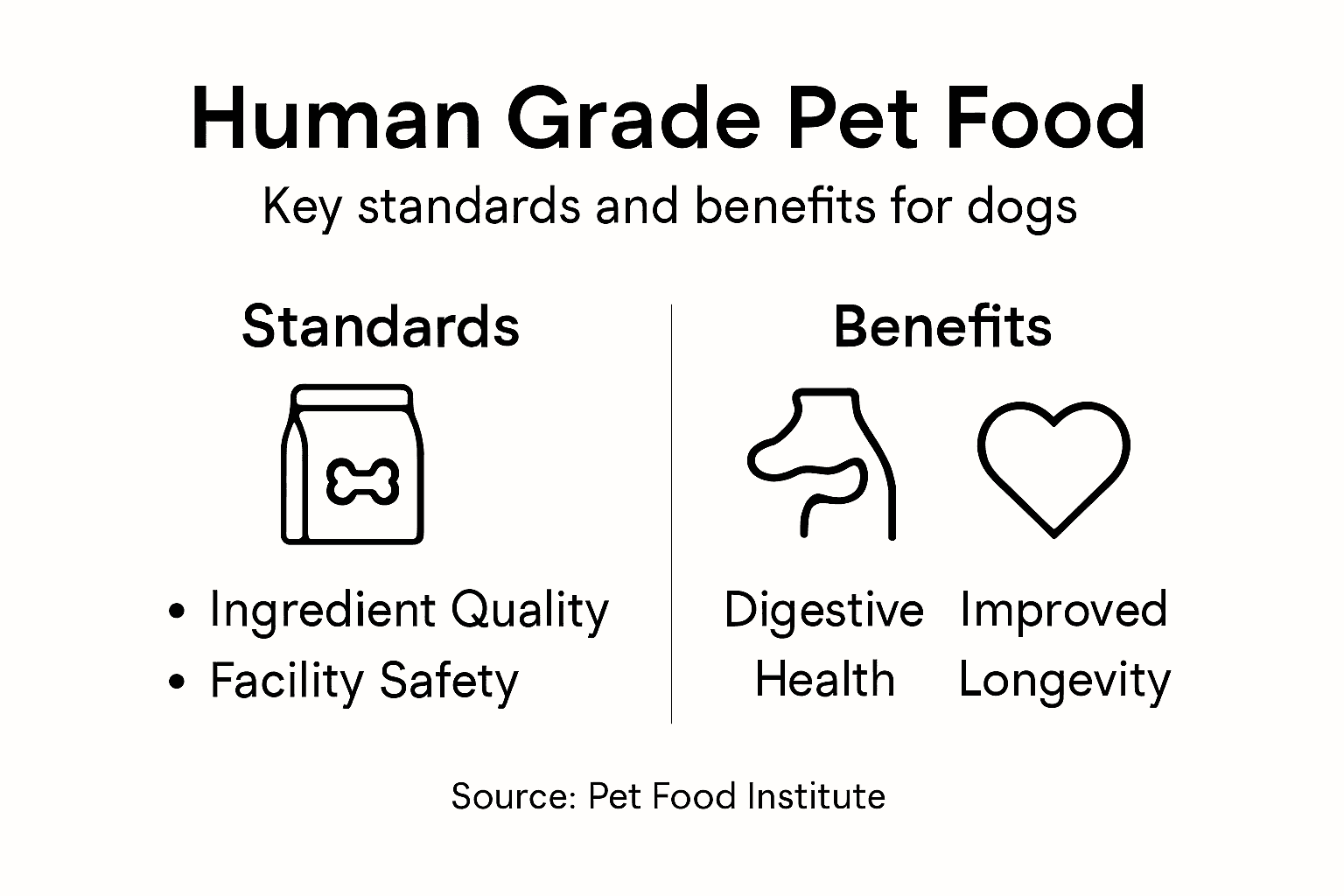
When it comes to dog nutrition, the term “human grade” represents more than just a marketing buzzword. According to AAFCO standards, human grade pet foods are specifically formulated with ingredients and manufacturing processes that meet the same quality and safety standards applied to human food production.
The key distinctions of human grade pet foods include:
Ingredients sourced for direct human consumption
Processing in USDA or FDA-inspected facilities
Strict quality control comparable to human food manufacturing
Transparent ingredient sourcing and handling practices
Unlike traditional pet foods that may utilize animal by-products or ingredients not intended for human consumption, human grade pet foods undergo rigorous inspection and preparation. The Pet Food Institute confirms that these foods represent a higher standard of nutritional quality, ensuring pet owners can trust the ingredients going into their dog’s meals.
The certification process for human grade pet foods involves multiple layers of regulatory oversight. Manufacturers must demonstrate that every ingredient could be legally sold and consumed by humans, which means eliminating low-quality meat by-products, controversial fillers, and questionable processing methods commonly found in standard commercial pet foods.
Pro tip: Always review the ingredient list and look for specific mentions of human grade certification when selecting pet food for your dog.
Key Ingredients and Manufacturing Standards
Human grade pet foods represent a revolutionary approach to canine nutrition, focusing on ingredient quality and rigorous manufacturing processes. AAFCO ingredient standards emphasize the critical importance of sourcing ingredients that meet the highest safety and nutritional requirements for dogs.
The primary characteristics of high-quality human grade pet food ingredients include:
Whole meat proteins from identifiable animal sources
Fresh fruits and vegetables with traceable origins
Minimally processed ingredients
No artificial preservatives or synthetic additives
Ingredients suitable for human consumption
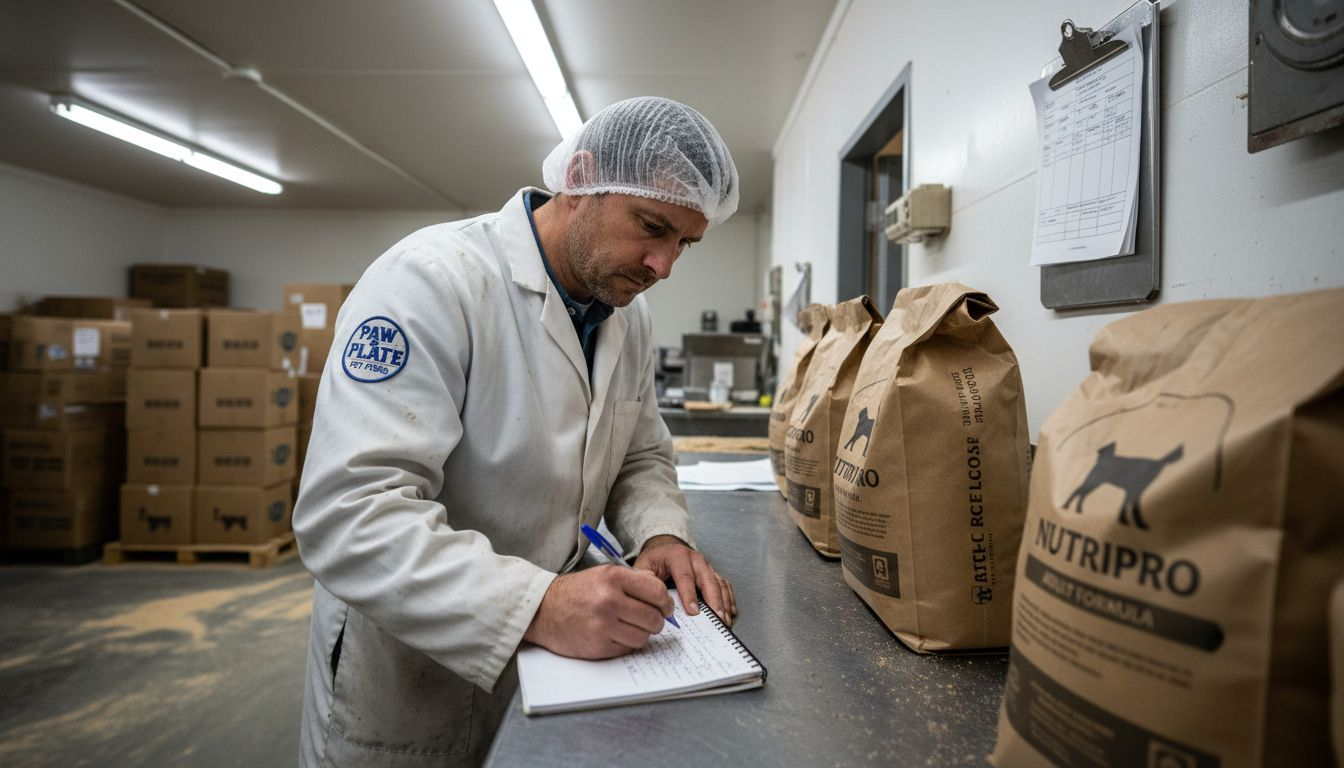
Manufacturing standards for these premium pet foods involve multiple layers of quality control. The Pet Food Institute details a comprehensive process that includes:
Rigorous supplier inspections
Continuous ingredient testing
Strict adherence to FDA and USDA food safety protocols
Hygienic facility design and maintenance
Regular contamination prevention monitoring
Unlike traditional pet food production, human grade pet food manufacturers must demonstrate an unprecedented level of transparency. Every ingredient undergoes meticulous screening to ensure it meets human consumption standards, which means eliminating low-quality by-products, questionable fillers, and potentially harmful processing techniques commonly found in standard commercial pet foods.
Pro tip: Request detailed ingredient sourcing information from pet food manufacturers to ensure you’re selecting the highest quality nutrition for your dog.
Regulatory Requirements and Safety Protections
Pet food safety in the United States involves comprehensive oversight from multiple federal agencies. The Pet Food Institute highlights the extensive regulatory framework that ensures human grade pet foods meet stringent safety standards designed to protect animal health.
Key regulatory protections for human grade pet foods include:
Compliance with Food Safety Modernization Act (FSMA)
Mandatory FDA and AAFCO ingredient approvals
Rigorous facility inspections
Comprehensive hazard analysis protocols
Preventive control requirements
FDA regulations mandate specific safety measures for pet food manufacturing:
Implementing Current Good Manufacturing Practices (cGMPs)
Conducting systematic hazard analyses
Developing comprehensive preventive control strategies
Maintaining detailed documentation
Performing regular contamination risk assessments
These regulatory requirements go beyond traditional pet food standards, creating a multi-layered protection system that scrutinizes every aspect of pet food production. Manufacturers must demonstrate exceptional transparency, proving that their ingredients and processes meet human consumption standards, which significantly reduces potential health risks for dogs.
Below is a summary of regulatory bodies and their roles in ensuring pet food safety:
Regulatory Agency | Role in Pet Food Safety | Example Oversight Activities |
FDA | Sets safety protocols and inspections | Reviews ingredients, mandates GMP practices |
USDA | Inspects facilities for compliance | Certifies facility cleanliness and standards |
AAFCO | Establishes nutritional guidelines | Approves ingredient standards and labeling |
Pro tip: Request a detailed compliance certification from pet food manufacturers to verify their adherence to FDA and AAFCO safety standards.
Comparing Human Grade to Traditional Pet Foods
AAFCO’s comprehensive nutritional guidelines reveal significant differences between human grade and traditional pet foods that directly impact canine health and nutrition. While both types must meet basic nutritional standards, the quality and processing of ingredients vary dramatically.
Key distinctions between human grade and traditional pet foods include:
Ingredient sourcing quality
Processing methodology
Contamination risk levels
Nutritional bioavailability
Transparency in manufacturing
Ingredient Quality Comparison:
Human Grade Foods:
Whole, human-consumable ingredients
Minimally processed
Traceable ingredient origins
No animal by-products
Traditional Pet Foods:
Potentially lower-grade ingredients
More processed formulations
Greater reliance on by-products
Less transparent sourcing
The Pet Food Institute confirms that human grade pet foods undergo more rigorous safety protocols, using ingredients directly from food suppliers that meet USDA and FDA human food standards. This approach significantly reduces potential health risks and provides more nutrient-dense nutrition for dogs.
Here is a side-by-side comparison illustrating how human grade and traditional pet foods differ across production and consumer impact:
Aspect | Human Grade Pet Food | Traditional Pet Food |
Facility Oversight | Inspected by USDA/FDA | May use less regulated facilities |
Ingredient Traceability | Fully traceable sources | Often unclear or mixed origins |
Consumer Confidence | High due to transparency | Varies, often lower due to by-products |
Impact on Dog Health | Promotes longevity and vitality | Meets basic needs, less health focus |
Pro tip: Examine pet food labels carefully, looking for specific mentions of human grade certification and whole food ingredients to ensure optimal nutrition for your dog.
Benefits for Dog Health and Longevity
Canine nutrition research from the AKC demonstrates that human grade pet foods offer substantial health advantages beyond traditional nutrition. These high-quality diets provide comprehensive nutritional support that can significantly enhance a dog’s overall health and potentially extend their lifespan.
Key health benefits of human grade pet foods include:
Enhanced immune system function
Improved digestive health
Better coat and skin condition
Increased energy levels
More stable metabolism
Reduced inflammation
Long-Term Health Advantages:
Superior nutrient absorption
Minimized exposure to artificial preservatives
Higher quality protein sources
Better weight management
Reduced risk of chronic diseases
The Pet Food Institute confirms that balanced nutrition from human grade ingredients supports optimal growth, metabolism, and immune function. These diets provide essential nutrients in their most bioavailable forms, which means dogs can more efficiently utilize the nutritional components compared to traditional processed pet foods.
Pro tip: Gradually transition to human grade pet food and monitor your dog’s health markers to observe the incremental improvements in their overall wellness.
Elevate Your Dog’s Health with Human Grade Nutrition from Loyal Saints Pets
The article highlights the crucial difference human grade pet foods make in promoting better well-being and longevity for dogs. If you want to provide your dog with meals crafted from whole, high-quality ingredients free from fillers and artificial additives, it is essential to choose trusted food that meets AAFCO and FDA standards. Loyal Saints Pets specializes in premium, freeze-dried options that preserve nutrient integrity and support improved energy, digestion, and immune system health.
Discover the benefits of carefully sourced proteins and natural fruits and vegetables by exploring our selection of Beef | Loyal Saints or browse a variety of options in Bundles | Loyal Saints designed for balanced, convenient feeding. Every product aligns with the highest human grade quality controls so you can trust what you feed your furry family member.

Give your dog the best chance for a longer, healthier, and happier life by choosing nutritious meals from Loyal Saints Pets. Shop now to experience the difference human grade pet food makes and enjoy free shipping on orders over a certain amount. Your loyal companion deserves nothing less.
Frequently Asked Questions
What does ‘human grade’ mean in pet food?
Human grade pet food is specially formulated with ingredients and manufacturing processes that meet the same quality and safety standards as human food, ensuring all components are safe for human consumption.
How does human grade pet food differ from traditional pet food?
Human grade pet food is made with whole, human-quality ingredients, less processing, and more stringent safety protocols, while traditional pet food may include lower-quality ingredients, animal by-products, and less transparent sourcing.
What are the health benefits of feeding my dog human grade food?
Human grade pet foods provide enhanced immune function, improved digestive health, better skin and coat condition, increased energy levels, and a reduced risk of chronic diseases due to higher quality ingredients and nutrient absorption.
Are there any regulatory protections for human grade pet foods?
Yes, human grade pet foods must comply with strict FDA and AAFCO regulations, ensuring rigorous facility inspections, ingredient approvals, and adherence to safety protocols that help protect dog health.
Recommended
Comments