.png)
How to improve dog vitality naturally: guide for healthier pets
- wix mentor

- Apr 10
- 8 min read
TL;DR:
Maintaining signs of vitality includes energy, mobility, a shiny coat, and curiosity.
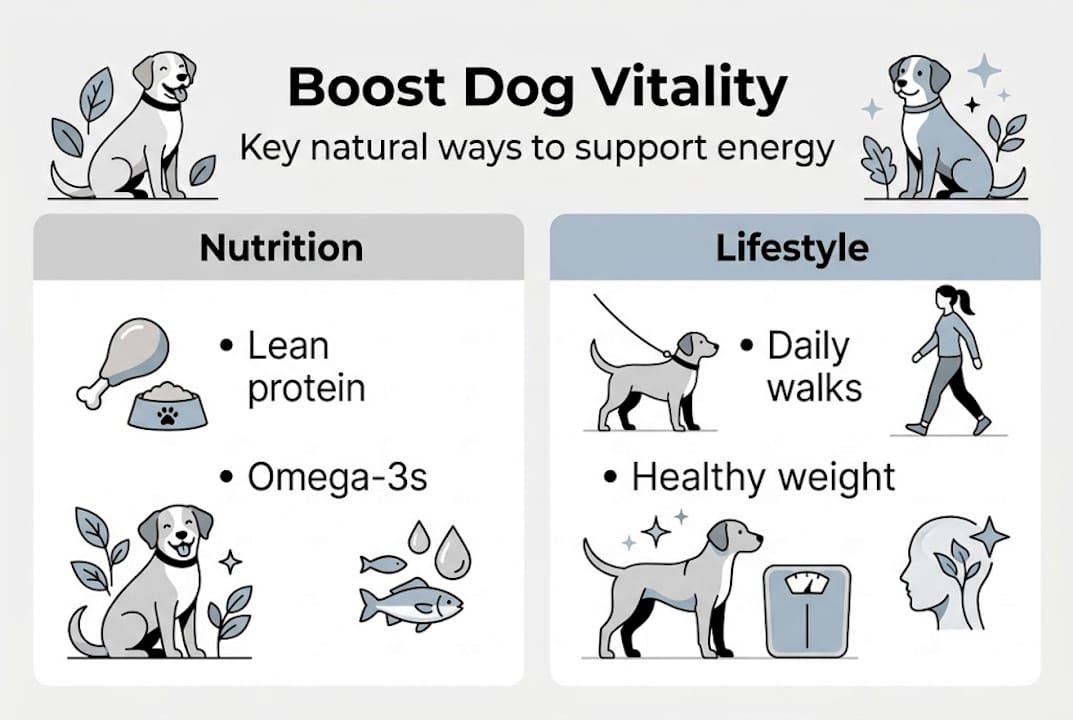
Natural nutrition with high-quality proteins, omega-3s, and antioxidants supports lifelong dog health.
Consistent exercise, healthy weight, and early symptom monitoring are key to longevity.
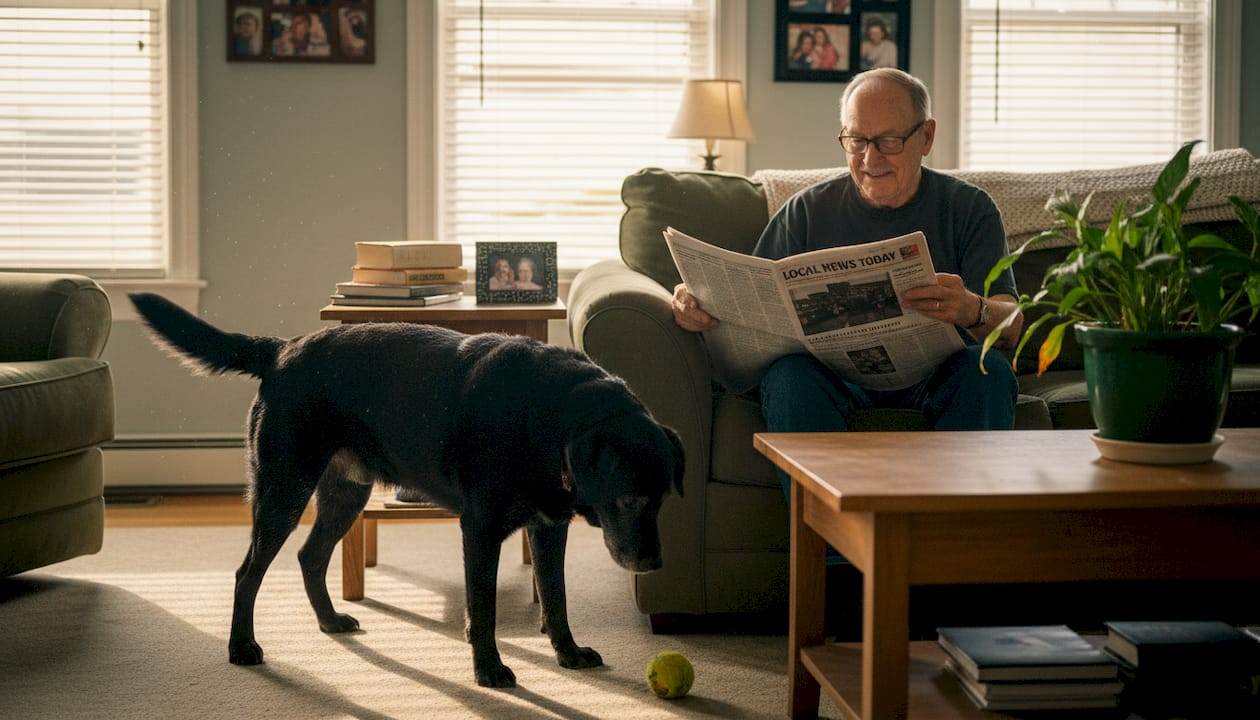
Watching your dog slow down is one of the hardest things about being a pet parent. The playful pup who once raced you to the door now takes longer to get up from rest, and those long walks feel shorter every season. The good news is that declining energy is not inevitable. With the right nutrition, consistent exercise, and targeted lifestyle habits, you can genuinely extend your dog’s healthy, active years. This guide walks you through evidence-backed, vet-approved strategies to naturally boost your dog’s vitality, from what goes in their bowl to how they spend their afternoons.
Table of Contents
Key Takeaways
Point | Details |
Exercise matters most | At least 30 minutes of aerobic exercise daily is critical for extending your dog’s life and vitality. |
Natural nutrition first | Aim for a balanced, high-quality diet with proven proteins, omegas, and antioxidants tailored to your dog’s needs. |
Smart use of supplements | Only add targeted supplements with vet guidance—never use multivitamins without necessity. |
Lifestyle makes a difference | Mental stimulation, a lean body, and strong social bonds keep your dog happier and more energetic. |
Understanding your dog’s vitality needs
Let’s start by understanding what true vitality looks like in your dog and what factors matter most.
Vitality is not just the absence of illness. For dogs, it means sustained energy, mental sharpness, strong immunity, healthy weight, and the ability to move freely and joyfully through daily life. A truly vital dog is curious, engaged, and resilient. They recover well from physical activity, maintain a healthy coat, and show consistent appetite and mood. That picture is achievable at almost any age when you boost dog vitality naturally through the right fundamentals.
So what does a vibrant, healthy dog actually look like day to day? Here are the key signs to watch for:
Bright, alert eyes and a responsive, curious attitude
Consistent energy levels appropriate for their age and breed
Healthy weight with a visible waist and easily felt ribs
Shiny, full coat without excessive shedding or dullness
Strong mobility with no limping, stiffness, or reluctance to move
Regular digestion with firm, consistent stools
Playfulness and social engagement with people and other animals
When these signs start to fade, it is easy to chalk it up to normal aging. But early changes in energy, coat quality, or mobility are often the first signals that something foundational needs attention, whether that is diet, activity, or both. Regular aerobic exercise supports cognitive health, reduces obesity risk, and can meaningfully extend your dog’s lifespan. That is a powerful reminder that lifestyle choices made today have real consequences down the road.
You can also improve vitality with holistic approaches that address the whole dog, not just one symptom at a time. The most common mistake owners make is waiting until a problem is obvious before acting. Monitoring subtle shifts early gives you the best chance to course-correct before small issues become bigger ones.
Pro Tip: Weigh your dog monthly and note any changes in their enthusiasm for walks or play. A 5% to 10% weight gain or a noticeable dip in activity can signal early vitality issues worth discussing with your vet.
Natural nutrition essentials for lifelong energy
Now that you recognize vitality signals, let’s focus on the core of natural wellness: your dog’s daily nutrition.
Food is the single most powerful lever you have for your dog’s long-term health. A diet that meets AAFCO standards ensures your dog gets the minimum nutrients required for life, but truly thriving goes beyond minimums. High-quality, digestible protein and omega-3s support muscle mass, reduce inflammation, and improve joint health, especially in older dogs. That combination is the nutritional backbone of lasting vitality.
Here is a quick look at the top omega-3 food sources and what they offer:
Food source | Omega-3 type | Primary benefit |
Salmon and sardines | EPA and DHA | Joint health, coat quality |
Flaxseed | ALA | Plant-based anti-inflammatory support |
Mackerel | EPA and DHA | Cognitive function, immune support |
Fish oil supplement | EPA and DHA | Concentrated joint and brain support |
Beyond omega-3s, antioxidants are critical. Look for ingredients like blueberries, spinach, sweet potatoes, and pumpkin on your dog’s food label. These whole foods neutralize free radicals that damage cells over time. A proven nutrition guide will always prioritize real, whole ingredients over synthetic additives.
When switching your dog to a better diet, do it gradually to avoid digestive upset. Here is how:
Days 1 to 2: Mix 25% new food with 75% old food
Days 3 to 4: Move to a 50/50 blend
Days 5 to 6: Shift to 75% new food and 25% old food
Day 7: Transition fully to the new diet
Monitor closely for loose stools, gas, or appetite changes throughout
Understanding diet’s role in vitality also means knowing what to avoid. Fillers, artificial preservatives, and low-quality by-products add calories without nutrition. They can quietly erode your dog’s energy and immune function over months and years.
Pro Tip: Do not pile on supplements without guidance. Multivitamins are unnecessary and risky for dogs already eating a balanced, AAFCO-approved diet, and excess fat-soluble vitamins like A and D can build up to toxic levels.
Exercise, weight, and lifestyle habits for lasting vitality
Proper nutrition paired with smart lifestyle habits can dramatically boost your dog’s vibrancy.
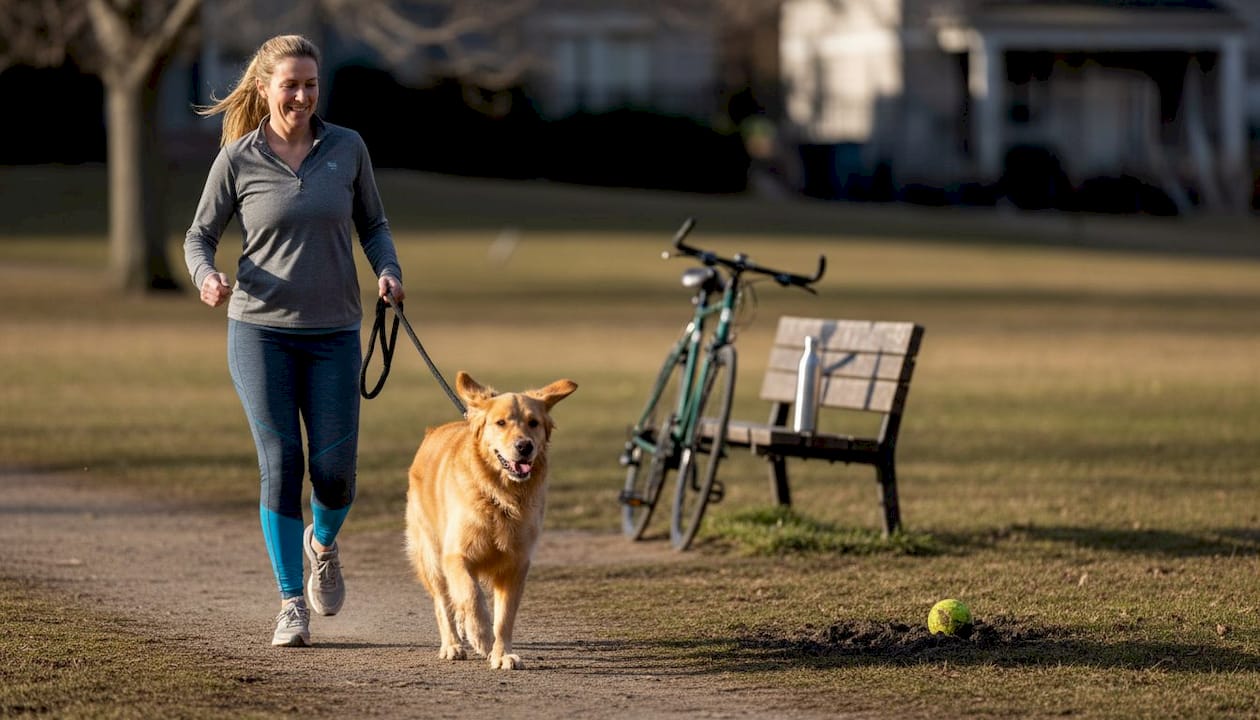
Exercise is not optional for a vital dog. At least 30 minutes of aerobic activity daily can increase lifespan by up to 2.5 years in lean dogs. That is not a small number. Brisk walks, fetch, swimming, and off-leash play all count, as long as your dog is moving consistently and at a pace that elevates their heart rate.
Here is how a sedentary routine compares to an active one over time:
Factor | Sedentary dog | Active dog |
Joint health | Stiffness, early arthritis risk | Stronger, more flexible joints |
Weight | Prone to obesity | Healthy body condition score |
Cognitive health | Faster mental decline | Sharper, more engaged mind |
Lifespan | Shorter on average | Up to 2.5 years longer |
Mood and behavior | More anxious, restless | Calmer, more confident |
Weight management is directly tied to how long and how well your dog lives. Even carrying a few extra pounds puts stress on joints, heart, and organs. Gradually increasing activity and maintaining healthy weight protect joints and prolong vitality, especially in breeds prone to hip dysplasia or arthritis.
Beyond physical activity, mental stimulation matters just as much. Puzzle feeders, scent games, training sessions, and regular socialization keep your dog’s brain active and reduce anxiety-driven behaviors. A mentally tired dog is often a calmer, happier dog.
Here are practical lifestyle habits to build into your routine:
Start walks with a 3 to 5 minute slow warm-up pace before picking up speed
Rotate toys weekly to keep mental engagement fresh
Schedule regular playdates or dog park visits for social health
Explore natural ways to improve vitality through enrichment and movement combined
Pro Tip: Check your dog’s body condition score monthly by feeling their ribs. You should feel them easily without pressing hard, but not see them clearly. If you can not feel them at all, it is time to adjust portions and increase activity.
Smart supplements: When and what to use for holistic support
Optimal daily care is rounded out by adding smart, natural supplements when they are truly needed.
Not every supplement on the market is worth your money or your dog’s health. The ones with real evidence behind them are a short list: probiotics, omega-3 fatty acids, and targeted joint support like glucosamine and chondroitin. Probiotics, antioxidants, and nutraceuticals show real benefits for aging and inflammation, but you should always consult your vet before adding anything new to your dog’s routine.
Antioxidants deserve special mention. They neutralize free radicals that damage cells, and antioxidants support cellular and eye health, which is especially important for older dogs and breeds prone to cataracts. Look for natural sources like vitamin E, vitamin C, and beta-carotene in whole-food ingredients.
Gut health is another area where targeted support pays off. Seventy percent of immune function lives in the gut, which means a healthy microbiome is directly tied to your dog’s ability to fight illness and stay energetic. Probiotic strains like Lactobacillus acidophilus are well-studied and generally safe for most dogs.
Watch for these red flags that signal supplementation may be off track:
Loose stools or vomiting after starting a new supplement
Lethargy or unusual thirst which can indicate vitamin toxicity
Skin reactions like itching or redness
No improvement after 4 to 6 weeks of consistent use
Stacking multiple supplements without vet guidance
Safety note: More is not better when it comes to supplements. Fat-soluble vitamins accumulate in the body and can reach dangerous levels quickly. Always use the lowest effective dose and get your vet’s sign-off before combining products.
For dogs with how antioxidants help dogs and boosting dog immunity naturally as goals, the most effective approach is targeted support based on your dog’s actual needs, not a broad-spectrum multivitamin that tries to cover everything at once.
Our perspective: Nature, not shortcuts, powers true dog vitality
With the practical steps explained, here is our candid take on natural dog vitality.
We have worked with thousands of health-focused dog owners, and the pattern is always the same. The dogs thriving into their senior years are not the ones whose owners chased every new supplement trend. They are the ones whose owners stayed consistent with the basics: real food, daily movement, and genuine attention to early warning signs.
The supplement industry is loud and convincing. But a bag of freeze-dried, whole-food nutrition built on premium natural nutrition insights will outperform a cabinet full of pills every single time when the foundation is right. Shortcuts feel appealing when you are worried about your dog. We get it. But the evidence is clear: consistent, simple, and natural always wins over complicated and reactive.
Focus on what is proven first. Everything else follows.
Enhance your dog’s vitality with natural, vet-approved nutrition
Ready to put these principles into action?
At Loyal Saints Pets, we built our products around exactly what your dog needs: human-grade proteins, whole fruits and vegetables, and zero fillers or artificial additives. Our freeze-dried dog food locks in nutrients at their peak, so every meal delivers real, bioavailable nourishment your dog can actually use.
If you want to understand why freeze-dried nutrition is one of the most effective ways to feed your dog, we break it all down for you. Or if you are ready to make the switch, explore our full range of premium dog nutrition options and find the right fit for your dog’s age, size, and health goals. More tail wags are coming.
Frequently asked questions
What natural foods boost my dog’s energy and vitality?
High-quality proteins and omega-3 fatty acids support muscle mass and reduce inflammation, while antioxidant-rich foods like pumpkin, blueberries, and leafy greens help protect cells and sustain energy naturally.
How much exercise does my dog need every day for vitality?
Aim for at least 30 minutes of aerobic activity daily, which research links to a longer, healthier lifespan and better cognitive function in dogs of all ages.
Are multivitamins safe or necessary for my dog?
If your dog eats an AAFCO-approved diet, multivitamins are unnecessary and may cause vitamin toxicity over time, so always check with your vet before adding any supplement.
What are signs my dog’s vitality is declining?
Lower energy, coat dullness, reduced playfulness, mobility changes, and appetite loss are the most common early signals, and regular exercise supports cognitive health and energy, making activity a key part of prevention.
Should I switch my dog’s food for better vitality?
Yes, if your current food lacks quality proteins and omegas, upgrading is worthwhile, but always transition foods gradually over 5 to 7 days to protect your dog’s digestive health.
Recommended
Comments