.png)
Complete Guide to Freeze-Dried Dog Diets for Optimal Health
- Towanda Brunson
- Feb 7
- 8 min read
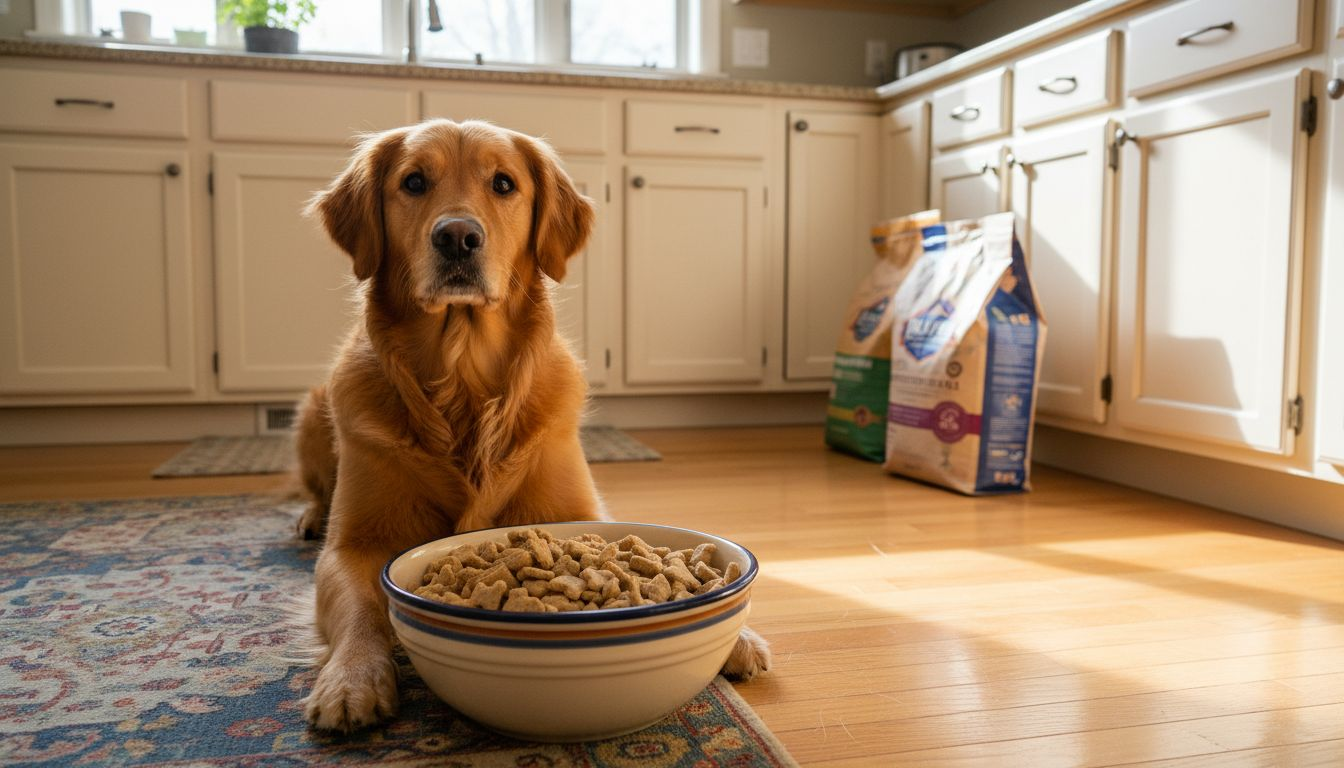
Finding the perfect diet for your dog can feel like a challenge when every breed, age, and activity level demands something different. Many American pet owners want the best for their companions, especially in busy urban settings where wellness and convenience go hand in hand. By focusing on a freeze-dried diet that delivers fresh flavor and advanced nutrition with minimal additives, you can support your dog’s long-term digestive health, vitality, and happiness. Understanding nutritional needs is the first step toward a vibrant, active life for your pet.
Table of Contents
Quick Summary
Key Point | Explanation |
1. Assess Your Dog’s Nutritional Needs | Evaluate factors like age, weight, and activity to tailor your dog’s diet effectively. |
2. Choose High-Quality Freeze-Dried Food | Prioritize minimal processing, named animal proteins, and AAFCO certification for optimal nutrition. |
3. Properly Hydrate Freeze-Dried Meals | Follow specific hydration techniques to ensure meals are palatable and nutritious for your dog. |
4. Transition Diet Gradually | Slowly introduce freeze-dried food over 7-10 days to allow your dog’s digestive system to adjust. |
5. Monitor and Adjust Diet Over Time | Keep track of weight, energy, and overall health to make necessary dietary adjustments as needed. |
Step 1: Assess Your Dog’s Nutritional Needs
Understanding your dog’s unique nutritional requirements is crucial for maintaining optimal health and vitality. Every dog has different dietary needs based on factors like age, breed, weight, activity level, and overall health status.
To effectively assess your dog’s nutritional needs, you’ll want to consider several key factors. Nutritional requirements vary significantly depending on individual characteristics. Start by evaluating these critical elements:
Age group: Puppies, adults, and senior dogs have different caloric and nutrient demands
Weight and body condition: Overweight or underweight dogs need specialized nutrition
Activity level: Working, athletic, or sedentary dogs require different energy inputs
Breed characteristics: Some breeds have unique metabolic requirements
Health status: Medical conditions can dramatically impact dietary needs
Consult with your veterinarian to perform a comprehensive nutritional assessment. They can help you determine precise caloric requirements, identify potential deficiencies, and recommend a diet tailored to your dog’s specific profile.
Here’s a summary of main factors impacting your dog’s nutrition:
Factor | Influence on Diet | Long-Term Impact |
Age Group | Determines specific nutrient needs | Ensures age-appropriate growth and health |
Body Condition | Guides calorie and portion size | Prevents obesity or undernourishment |
Activity Level | Sets energy intake requirements | Supports energy and muscle maintenance |
Breed Characteristics | Affects metabolism and sensitivities | Helps avoid breed-specific issues |
Health Status | Requires tailored dietary modifications | Manages chronic or acute health problems |
Understanding your dog’s nutritional blueprint is like creating a personalized health roadmap.
Protein levels, fat content, and micronutrient balance are especially important considerations. A thorough assessment will help prevent potential health issues and support your dog’s long-term wellness.
Pro tip: Keep a detailed log of your dog’s weight, energy levels, and overall health to track nutritional effectiveness over time.
Step 2: Select High-Quality Freeze-Dried Food
Choosing the right freeze-dried dog food is critical for ensuring your furry friend receives optimal nutrition. Navigating the world of pet nutrition requires careful consideration of multiple factors to guarantee you’re providing the best possible diet for your dog.
Nutritional standards are paramount when selecting freeze-dried food. Look for products that meet the rigorous standards set by the Association of American Feed Control Officials (AAFCO), which ensure comprehensive nutritional adequacy.
Key criteria for selecting high-quality freeze-dried dog food include:
Ingredient quality: Prioritize whole, recognizable ingredients with minimal processing
Protein source: Select foods with named animal proteins as the first ingredient
AAFCO certification: Verify the product is labeled “complete and balanced”
Nutrient profile: Ensure appropriate balance for your dog’s specific life stage
Minimal additives: Avoid artificial preservatives, colors, and unnecessary fillers
Not all freeze-dried foods are created equal - quality matters more than quantity.
Additionally, examine the manufacturing process. High-quality freeze-dried foods maintain optimal nutrient retention through advanced preservation techniques, which help lock in essential vitamins and minerals.
Protein content, ingredient sourcing, and processing method are crucial indicators of nutritional value. Take time to read labels carefully and compare different products to find the best match for your dog’s unique needs.
Compare freeze-dried with traditional dry dog food:
Aspect | Freeze-Dried Food | Traditional Dry Food |
Nutrient Retention | High, preserves vitamins | Moderate, lost during processing |
Protein Quality | Real animal protein, minimally processed | Often lower-quality protein sources |
Additives | Few to none, cleaner labels | Contains artificial preservatives and fillers |
Preparation | Requires hydration before serving | Ready to serve, no prep needed |
Pro tip: Consult with your veterinarian to validate your chosen freeze-dried food meets your specific dog’s dietary requirements and health considerations.
Step 3: Prepare Meals with Proper Hydration
Rehydrating freeze-dried dog food is a critical step in ensuring your dog receives optimal nutrition and palatability. The process transforms lightweight, preserved food into a delicious and nutritionally complete meal that your furry friend will love.

Freeze-dried food preparation requires careful hydration techniques to restore its original texture and nutritional profile. Understanding the right rehydration method can make a significant difference in your dog’s dining experience.
Here are the key steps for proper meal preparation:
Water temperature: Use room temperature or slightly warm water
Liquid ratio: Follow package instructions for precise water-to-food measurements
Mixing technique: Stir thoroughly to ensure even hydration
Waiting period: Allow food to sit for 3-5 minutes before serving
Consistency check: Ensure food reaches a soft, palatable texture
Proper hydration transforms freeze-dried meals from dry pellets to a delicious, nutritious feast.
Timing, water quality, and mixing method are crucial elements in preparing the perfect rehydrated meal. Experiment to find the ideal technique that works best for your dog’s preferences.
Consider your dog’s individual needs when rehydrating. Some dogs might prefer slightly warmer water, while others might enjoy a quicker rehydration process.
Pro tip: Always store unused rehydrated food in the refrigerator and consume within 24 hours to maintain freshness and prevent bacterial growth.
Step 4: Serve and Transition Your Dog Carefully
Transitioning your dog to a freeze-dried diet requires patience, strategic planning, and careful monitoring to ensure a smooth and healthy dietary change. Your approach can make a significant difference in how well your dog adapts to this nutritional upgrade.
Safe diet transitions demand gradual implementation to prevent digestive disruptions and support your dog’s overall wellness.
Follow these essential transition steps:
Initial mixing: Start by replacing 25% of current food with freeze-dried
Incremental increase: Slowly raise freeze-dried percentage over 7-10 days
Observation period: Monitor your dog’s digestion, energy, and stool consistency
Hydration technique: Ensure proper water mixing for optimal nutrient absorption
Individual adjustment: Customize transition based on your dog’s unique response
A successful diet transition is a marathon, not a sprint.
Pay close attention to your dog’s individual reactions during this process. Some dogs might adapt quickly, while others require more time and gentle introduction.
Portion control, gradual replacement, and careful monitoring are critical elements of a successful dietary shift. Remain flexible and attentive to your dog’s specific needs throughout the transition.
Pro tip: Keep a detailed journal documenting your dog’s response to the new diet, noting any changes in appetite, energy levels, and overall health.
Step 5: Monitor Progress and Adjust Diet
Tracking your dog’s response to a new freeze-dried diet is crucial for ensuring long-term health and nutritional success. This ongoing process requires careful observation and willingness to make strategic adjustments based on your dog’s individual needs.
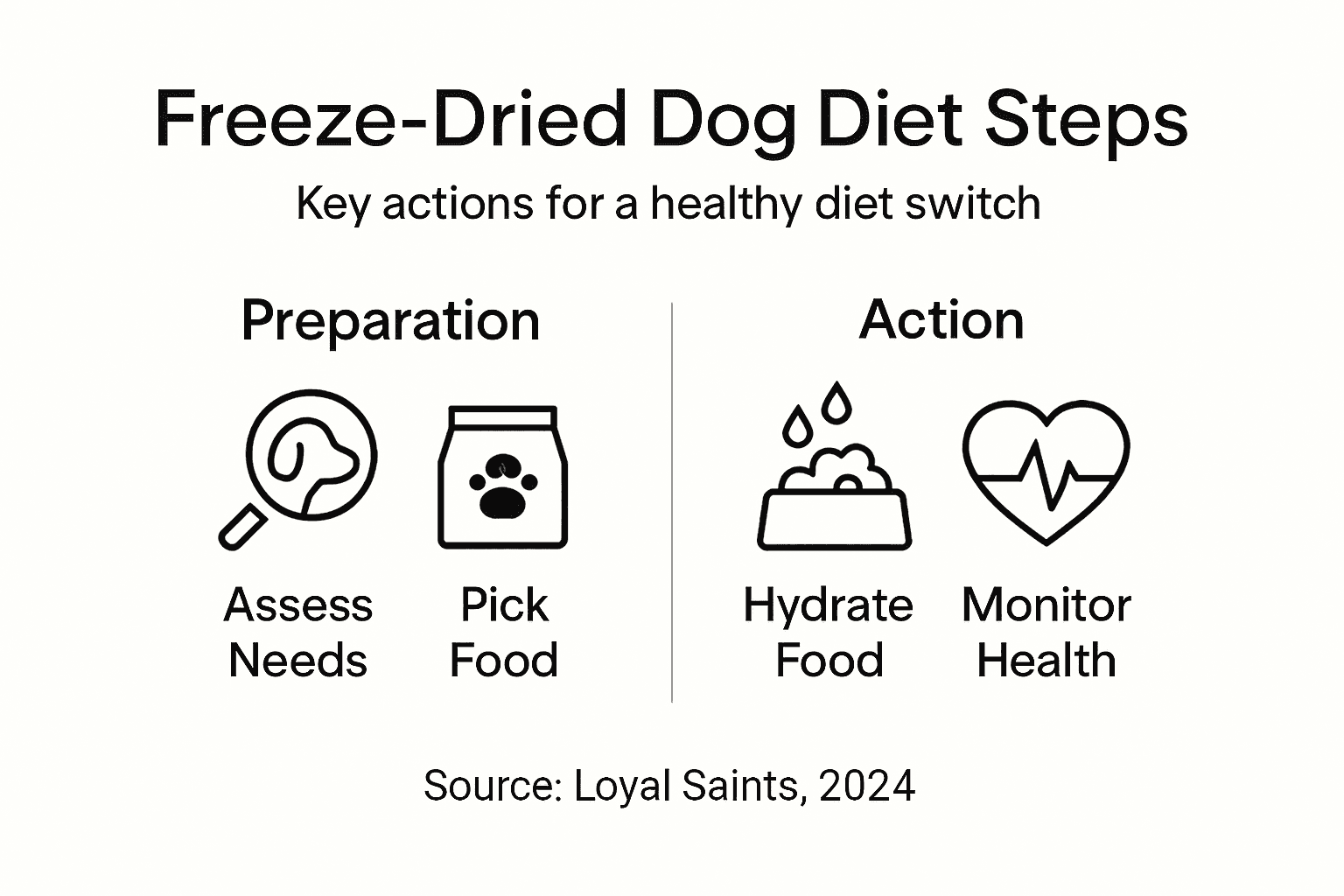
Veterinary monitoring helps prevent potential nutritional challenges and supports your dog’s overall wellness throughout dietary transitions.
Key areas to monitor during diet adaptation include:
Body weight: Track changes using consistent weekly measurements
Energy levels: Note any shifts in activity and vitality
Coat condition: Assess shine, thickness, and overall appearance
Digestive health: Monitor stool consistency and frequency
Appetite: Watch for changes in eating patterns or food interest
Small, consistent observations can reveal significant nutritional insights.
Physical indicators, behavioral changes, and digestive patterns provide critical information about your dog’s dietary response. Subtle shifts can signal the need for nutritional recalibration.
Remain flexible and responsive. Some dogs adapt quickly, while others might require more gradual adjustments or specialized nutritional support.
Pro tip: Schedule quarterly veterinary check-ups to professionally assess your dog’s nutritional status and make informed dietary modifications.
Elevate Your Dog’s Health with Premium Freeze-Dried Nutrition
Understanding your dog’s unique nutritional needs and choosing the right freeze-dried diet can feel overwhelming. The challenges include finding high-quality protein sources, ensuring proper hydration during preparation, and carefully transitioning your dog to avoid digestive upset. Loyal Saints Pets is here to simplify this journey by offering freeze-dried meals crafted from human-grade, whole ingredients that meet AAFCO standards for balanced nutrition and vitality.

Discover our carefully curated range of nutrient-rich options like Beef | Loyal Saints and Chicken | Loyal Saints designed to support muscle strength, digestive health, and allergy management. Shop now at Loyal Saints Pets to give your dog the wholesome, minimally processed nutrition they deserve and start your pet on a path toward a longer, happier life. Take the next step today with our convenient Bundles | Loyal Saints for a complete nutritional experience your dog will love.
Frequently Asked Questions
How do I assess my dog’s nutritional needs for a freeze-dried diet?
To assess your dog’s nutritional needs, consider factors like age, weight, activity level, and health status. Start by consulting your veterinarian for a comprehensive evaluation that will guide you in determining caloric requirements and identifying any specific dietary deficiencies.
What should I look for when selecting freeze-dried dog food?
When selecting freeze-dried dog food, prioritize whole ingredients, identifiable protein sources, and AAFCO certification that indicates nutritional adequacy. Review labels for minimal additives and ensure the nutrient profile aligns with your dog’s life stage and health needs.
How do I properly hydrate freeze-dried dog food before serving?
To properly hydrate freeze-dried dog food, use room temperature or slightly warm water and follow the package’s ratio of water to food. Stir thoroughly and allow the mixture to sit for 3-5 minutes to achieve a desirable texture before serving.
How should I transition my dog to a freeze-dried diet?
To transition your dog to a freeze-dried diet, start by mixing 25% freeze-dried food with their current food, gradually increasing the percentage over 7-10 days. Monitor your dog’s digestive response and be ready to adjust based on their individual needs during this period.
What signs should I monitor while my dog adapts to a freeze-dried diet?
While your dog adapts to a freeze-dried diet, monitor body weight, energy levels, coat condition, digestive health, and appetite. Make notes over a few weeks to identify patterns and adjust the diet as needed for optimal health and nutrition.
How often should I consult my veterinarian during the diet transition?
Consult your veterinarian at least quarterly during the transition to discuss your dog’s nutritional status and any needed adjustments. This ensures you stay informed about your dog’s health and dietary effectiveness over time.
Recommended
Comments