.png)
Why Digestive Health Matters for Dogs’ Vitality
- Nick Willkom
- Dec 12, 2025
- 6 min read


Most American dog owners are surprised to learn that nearly 70 percent of a dog’s immune system is found in its digestive tract. Digestive health goes far beyond nutrient absorption, directly shaping your pet’s vitality and everyday comfort. By understanding how digestion impacts immune defenses, skin, behavior, and more, you gain the power to make smarter choices for your canine companion’s lifelong health.
Table of Contents
Key Takeaways
Point | Details |
Understanding Digestive Health | A dog’s digestive system is essential for nutrient absorption, immune function, and overall health. Proper nutrition and regular veterinary check-ups are crucial for maintaining digestive wellness. |
Impact on Overall Vitality | Digestion significantly influences a dog’s health, including weight management, immune response, and emotional stability. Prioritizing digestive health enhances energy levels and quality of life. |
Common Digestive Disorders | Awareness of potential digestive issues like Exocrine Pancreatic Insufficiency and food allergies is critical for effective management. Prompt veterinary consultation for symptoms is necessary for recovery. |
Nutritional Strategies | Providing a balanced diet rich in high-quality proteins, fiber, and prebiotics is key to supporting digestive function. Individual nutritional needs must be considered based on each dog’s health and lifestyle. |
Defining Digestive Health in Dogs
A dog’s digestive system is far more than just a mechanism for processing food. It represents a complex biological network responsible for breaking down nutrients, supporting immune function, and maintaining overall health. The intricate digestive process extends from mouth to intestines, transforming food into essential energy and building blocks for bodily functions.
The digestive tract serves multiple critical roles beyond simple nutrient absorption. Approximately 70% of a dog’s immune cells reside within the digestive system, making it a fundamental defense mechanism against potential health threats. This intricate network works continuously to:
Break down food into usable nutrients
Filter harmful substances
Support immune system responses
Regulate energy metabolism
Maintain balanced internal ecosystem
The complex journey of digestion involves multiple stages of mechanical and chemical processing. Enzymes, gut bacteria, and intestinal walls collaborate to extract maximum nutritional value from each meal. When functioning optimally, this system ensures your dog receives precise nutrients needed for muscle development, cellular repair, and sustained energy.

Understanding digestive health means recognizing it as a dynamic, interconnected system. Proper nutrition, stress management, and regular veterinary check-ups play pivotal roles in maintaining this delicate biological balance. By prioritizing your dog’s digestive wellness, you’re investing in their overall vitality, longevity, and quality of life.
How Digestion Impacts Canine Vitality
Digestion is far more than a simple process of converting food into energy - it is a fundamental driver of a dog’s overall health and vitality. Comprehensive gut health research reveals that the digestive system plays a critical role in maintaining physical and mental well-being, directly influencing everything from weight management to immune response.
The intricate digestive ecosystem impacts multiple aspects of canine health:
Nutrient absorption and metabolic efficiency
Immune system functionality
Weight regulation
Skin and coat health
Emotional and behavioral stability
Nutrient processing mechanisms are particularly complex. The small intestine serves as a critical gateway, extracting essential vitamins, minerals, proteins, fats, and carbohydrates that fuel every bodily function. Meanwhile, the large intestine plays a crucial role in water and electrolyte absorption, maintaining critical hydration and fluid balance.
Poor digestive health can trigger a cascade of systemic issues, from chronic inflammation to compromised immune responses. Veterinary experts emphasize that a well-functioning gut microbiome produces beneficial byproducts like butyrate, which strengthens the intestinal lining and supports overall metabolic health. By prioritizing digestive wellness through balanced nutrition, regular veterinary care, and targeted dietary interventions, dog owners can significantly enhance their pet’s energy levels, resilience, and quality of life.
Common Digestive Disorders in Dogs
Dog owners must be vigilant about potential digestive health challenges that can significantly impact their pet’s quality of life. Pancreatic disorders like exocrine pancreatic insufficiency represent serious conditions that can dramatically affect a dog’s nutritional absorption and overall well-being. This complex disorder most frequently impacts breeds like German Shepherds, causing symptoms such as weight loss, increased appetite, and persistent diarrhea.
Common digestive disorders in dogs include:
Exocrine Pancreatic Insufficiency (EPI)
Inflammatory Bowel Disease (IBD)
Gastroenteritis
Intestinal parasites
Chronic pancreatitis
Blockages and obstructions
Food allergies and sensitivities represent another significant category of digestive challenges. These conditions can manifest through a range of symptoms, including gastrointestinal distress and skin irritations. Hypoallergenic diets using novel or hydrolyzed proteins offer promising management strategies, helping dogs with sensitive digestive systems maintain optimal nutrition and comfort.
Recognizing early warning signs is crucial for effective management. Symptoms like persistent vomiting, dramatic weight changes, chronic diarrhea, or significant shifts in appetite should prompt immediate veterinary consultation. Professional diagnostics can help identify underlying causes, enabling targeted treatment approaches that restore digestive function and support your dog’s overall health and vitality.
Nutrition’s Role in Digestive Function
Nutrition stands as the foundational cornerstone of digestive health, directly influencing a dog’s ability to process nutrients, maintain immune function, and sustain overall vitality. Dietary fiber’s complex interactions play a critical role in supporting optimal digestive mechanisms, helping regulate intestinal transit, support beneficial gut bacteria, and maintain consistent nutrient absorption.
Key nutritional components essential for digestive function include:
High-quality proteins
Complex carbohydrates
Soluble and insoluble fiber
Prebiotics and probiotics
Essential fatty acids
Digestive enzymes
Balanced micronutrients
The intricate digestive ecosystem requires precise nutritional balance to function effectively. Different nutrients perform specialized roles: proteins provide amino acids for cellular repair, fiber supports microbiome health, and specific minerals facilitate enzymatic processes. Carefully selected ingredients can transform digestive performance, reducing inflammation and supporting comprehensive gut health.
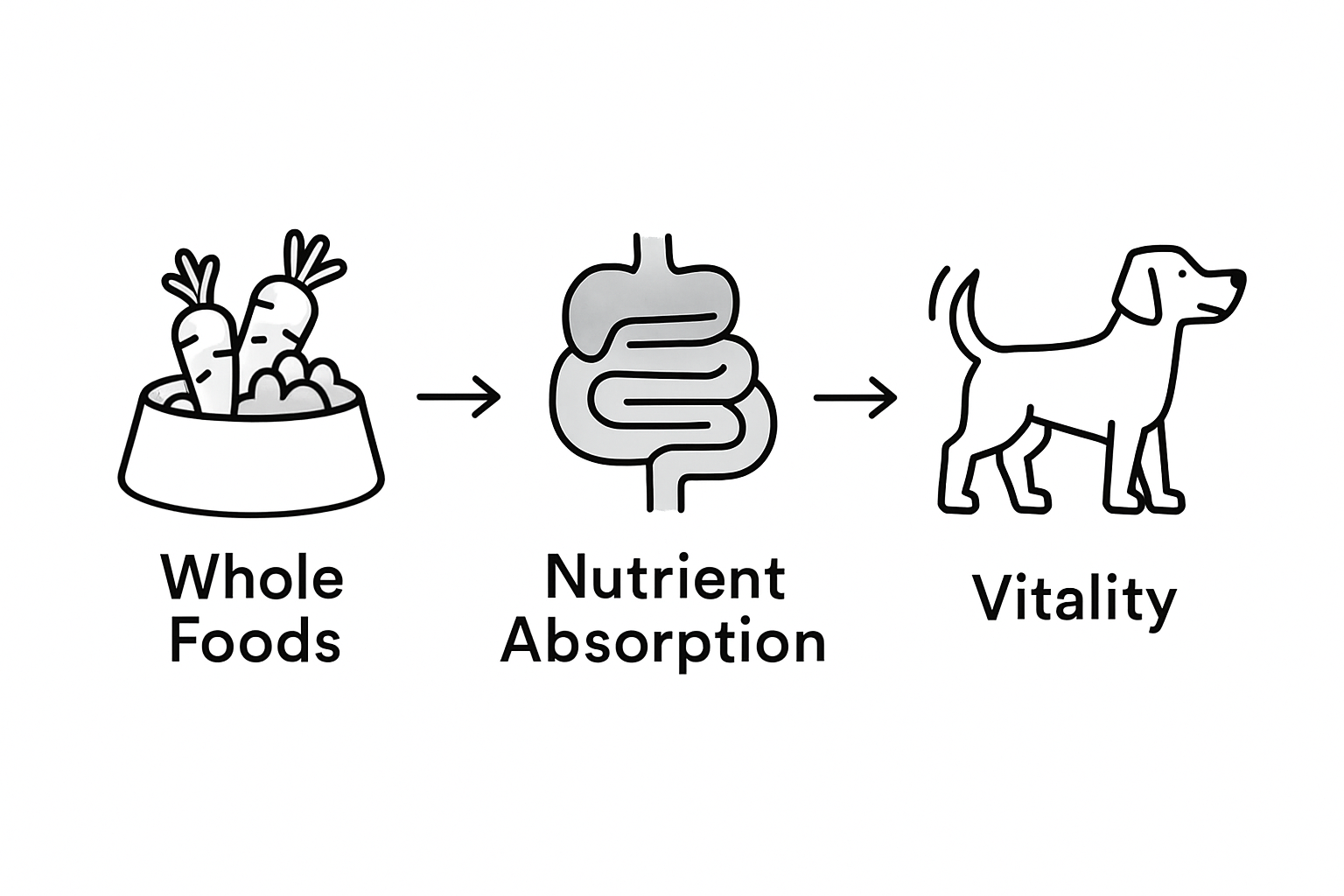
Understanding individual nutritional needs becomes paramount, as each dog’s digestive system responds uniquely to dietary components. Factors like age, breed, activity level, and existing health conditions significantly influence nutritional requirements. Consulting with veterinary nutritionists can help develop personalized dietary strategies that optimize digestive function, enhance nutrient absorption, and promote long-term wellness for your canine companion.
Choosing Foods That Support Gut Health
Maintaining optimal digestive wellness requires strategic nutrition that goes beyond simple calorie consumption. Targeted dietary approaches involving prebiotics and probiotics play a crucial role in nourishing beneficial gut bacteria and supporting comprehensive digestive function. Dogs require a nuanced nutritional strategy that introduces live microorganisms and supportive compounds to maintain intestinal health.
Key ingredients that promote digestive wellness include:
Lean, high-quality proteins
Fermentable fiber sources
Natural prebiotics
Omega-3 fatty acids
Easily digestible carbohydrates
Limited grain content
Antioxidant-rich fruits and vegetables
Whole food nutrition strategies emphasize selecting minimally processed ingredients that provide comprehensive nutritional support. Dogs thrive on diets rich in lean proteins, nutrient-dense vegetables, and carefully selected complex carbohydrates that fuel digestive microbiome health without triggering inflammatory responses. Ingredients like chicory root, oats, and barley serve as excellent prebiotic sources that encourage beneficial bacterial growth.
Understanding individual dietary needs becomes paramount, as each dog’s digestive system responds uniquely to nutritional inputs. Factors such as breed, age, activity level, and existing health conditions significantly influence optimal food selection. Consulting with veterinary nutritionists can help develop personalized dietary strategies that balance nutritional requirements, support digestive function, and promote long-term canine wellness.
Elevate Your Dog’s Vitality Through Optimal Digestive Health
Digestive health plays a crucial role in your dog’s energy, immune system, and overall happiness. Many pet owners face challenges such as nutrient absorption issues, digestive sensitivities, and inflammation that affect their dogs’ long-term wellness. By focusing on balanced nutrition with high-quality proteins, prebiotics, and easy-to-digest ingredients, you can support a thriving digestive system and boost vitality every day.
Explore our carefully crafted Bundles | Loyal Saints designed specifically for digestive support. Our freeze-dried foods preserve natural nutrients without additives or fillers, providing your dog with premium nourishment that aids digestion and supports muscle strength. Each ingredient is selected to help manage sensitivities and promote a healthy gut ecosystem, aligning perfectly with the concepts discussed in this article.

Take the next step to enhance your dog’s digestive health and vitality by visiting Loyal Saints Pets. Discover premium natural options that make a real difference. Shop now and support a longer, happier life for your canine family member.
Frequently Asked Questions
What are the signs of poor digestive health in dogs?
Poor digestive health in dogs can manifest as persistent vomiting, chronic diarrhea, significant weight changes, or major shifts in appetite. Any of these symptoms should prompt a consultation with a veterinarian.
How can I support my dog’s digestive health?
You can support your dog’s digestive health by providing high-quality nutrition, including proteins, complex carbohydrates, fiber, prebiotics, and probiotics. Regular veterinary check-ups and stress management also play crucial roles.
What common digestive disorders affect dogs?
Common digestive disorders in dogs include Exocrine Pancreatic Insufficiency (EPI), Inflammatory Bowel Disease (IBD), gastroenteritis, intestinal parasites, chronic pancreatitis, and blockages. Recognizing symptoms early is essential for effective management.
How does diet influence my dog’s digestive health?
Diet is fundamental to your dog’s digestive health. A balanced diet with high-quality proteins, fiber, prebiotics, and probiotics helps ensure optimal nutrient absorption and supports a healthy gut microbiome.
Recommended
Comments