.png)
Digestive Health in Dogs: Why Nutrition Matters
- Towanda Brunson
- 34 minutes ago
- 7 min read

Every dog parent in a busy American city wants their companion to thrive, but digestive issues like irregular stools or sudden discomfort can leave you searching for answers. Digestive health is more than just what goes in the bowl—it depends on the delicate balance between organs, nutrition, and daily care. Understanding the importance of digestive health helps you make informed choices about premium, natural diets that nurture your dog’s vitality from the inside out.
Table of Contents
Key Takeaways
Point | Details |
Digestive Health Importance | A dog’s digestive health affects its overall wellness, including muscle mass and body condition. Regular monitoring and tailored nutrition plans are essential. |
Common Digestive Issues | Symptoms like diarrhea and vomiting can indicate serious health problems, requiring prompt veterinary attention and monitoring of symptoms. |
Role of Nutrition | Nutritional choices significantly influence digestive function, emphasizing the need for tailored, high-quality diets that match a dog’s specific needs. |
Risks of Poor Nutrition | Low-quality diets can result in chronic inflammation and weakened immune responses, highlighting the importance of informed food choices for long-term health. |
Defining Digestive Health in Dogs
The digestive system represents a complex network of organs working together to transform food into nutrients that support a dog’s overall health and vitality. Comprehensive veterinary research reveals this intricate system involves multiple interconnected components, each playing a critical role in nutrient processing and waste elimination.
A dog’s digestive tract is not just a simple tube, but a sophisticated biological machinery designed to break down food efficiently. The process begins in the mouth with teeth and salivary glands and continues through the esophagus, stomach, and intestinal tract. Key organs like the pancreas, liver, and gallbladder contribute essential enzymes and substances that facilitate nutrient absorption.
The fundamental components of canine digestive health include:
Mechanical breakdown of food through chewing and stomach contractions
Chemical digestion using specialized enzymes
Nutrient absorption in the small intestine
Waste elimination through the large intestine
Microbiome balance supporting overall digestive function
Digestive health goes beyond simple food processing. Nutritional assessment frameworks emphasize that proper digestion directly impacts a dog’s muscle mass, body condition, and overall wellness.
Pro tip: Monitor your dog’s digestive health by observing consistent stool quality, energy levels, and maintaining a balanced nutrition plan tailored to their specific needs.
Common Digestive Issues and Symptoms
Dogs experience a range of digestive issues that can significantly impact their overall health and quality of life. Canine diarrhea symptoms represent one of the most common and concerning digestive problems pet owners encounter, potentially indicating various underlying health conditions.

The spectrum of digestive complications in dogs is broad and can manifest through multiple symptoms. Gastrointestinal disorders often present with warning signs such as changes in stool consistency, frequency of bowel movements, and the presence of blood or mucus. These symptoms can stem from multiple sources, including dietary indiscretions, stress, infections, or more serious chronic conditions.
Key digestive issues dogs commonly experience include:
Acute diarrhea with sudden onset
Chronic digestive inflammation
Parasitic infections
Food sensitivities
Stress-induced gastrointestinal problems
Colitis in dogs represents another significant digestive challenge, characterized by colon inflammation that produces frequent, urgent diarrhea often accompanied by mucus and bright red blood. This condition can lead to significant discomfort and, if left untreated, may result in dehydration and potential nutritional deficiencies.
Recognizing these symptoms early is crucial for effective intervention. Persistent digestive issues can quickly escalate from minor discomfort to serious health concerns, making prompt veterinary consultation essential when unusual symptoms persist.
Here’s a summary comparing types of canine digestive issues and their typical health impact:
Digestive Issue Type | Typical Symptoms | Potential Health Consequences |
Acute digestive disturbances | Sudden diarrhea, vomiting | Dehydration, short-term discomfort |
Chronic inflammation | Consistent digestive upset | Nutritional deficiencies, weight loss |
Parasitic infections | Stool changes, lethargy | Increased infection risk, growth delays |
Food sensitivities | Soft stool, skin irritation | Reduced immune function, low energy |
Stress-related issues | Variable bowel habits | Digestive instability, behavioral changes |
Pro tip: Keep a detailed log of your dog’s digestive symptoms, including stool consistency, frequency, and any accompanying signs, to help your veterinarian diagnose potential issues more effectively.
How Nutrition Impacts Gut Function
Nutritional choices play a pivotal role in maintaining and supporting a dog’s digestive health, serving as the foundation for overall wellness. Comprehensive nutritional assessments demonstrate that tailored feeding regimens directly influence digestive function, nutrient absorption, and immune system performance.
The intricate relationship between diet and gut health extends far beyond simple calorie intake. Specific nutrients and their precise proportions can dramatically impact a dog’s digestive system, influencing everything from enzyme production to microbiome balance. When dogs consume appropriately balanced nutrition, their bodies can more effectively process food, extract essential nutrients, and maintain optimal gastrointestinal function.
Key nutritional factors that impact gut function include:
Protein quality and digestibility
Fiber content and type
Prebiotics and probiotics
Micronutrient balance
Hydration levels
Dietary strategies for managing stomach upset highlight the importance of selecting easily digestible foods that support gut health. Bland, gentle food options can help soothe digestive distress and provide critical nutrients without overwhelming the gastrointestinal system.
Pet owners must recognize that nutrition is not a one-size-fits-all approach. Different life stages, health conditions, and individual metabolic variations require nuanced dietary considerations. Continuous nutritional reassessment ensures that a dog’s specific digestive needs are consistently met, promoting long-term health and preventing potential gastrointestinal complications.
Pro tip: Consult with a veterinary nutritionist to develop a personalized dietary plan that addresses your dog’s unique digestive health requirements and potential sensitivities.
Benefits of Natural, Whole Ingredient Diets
Natural nutrition represents a transformative approach to canine health, offering profound benefits beyond basic sustenance. Nutritional guidelines for dogs demonstrate that whole ingredient diets can dramatically improve digestive function, immune response, and overall wellbeing.
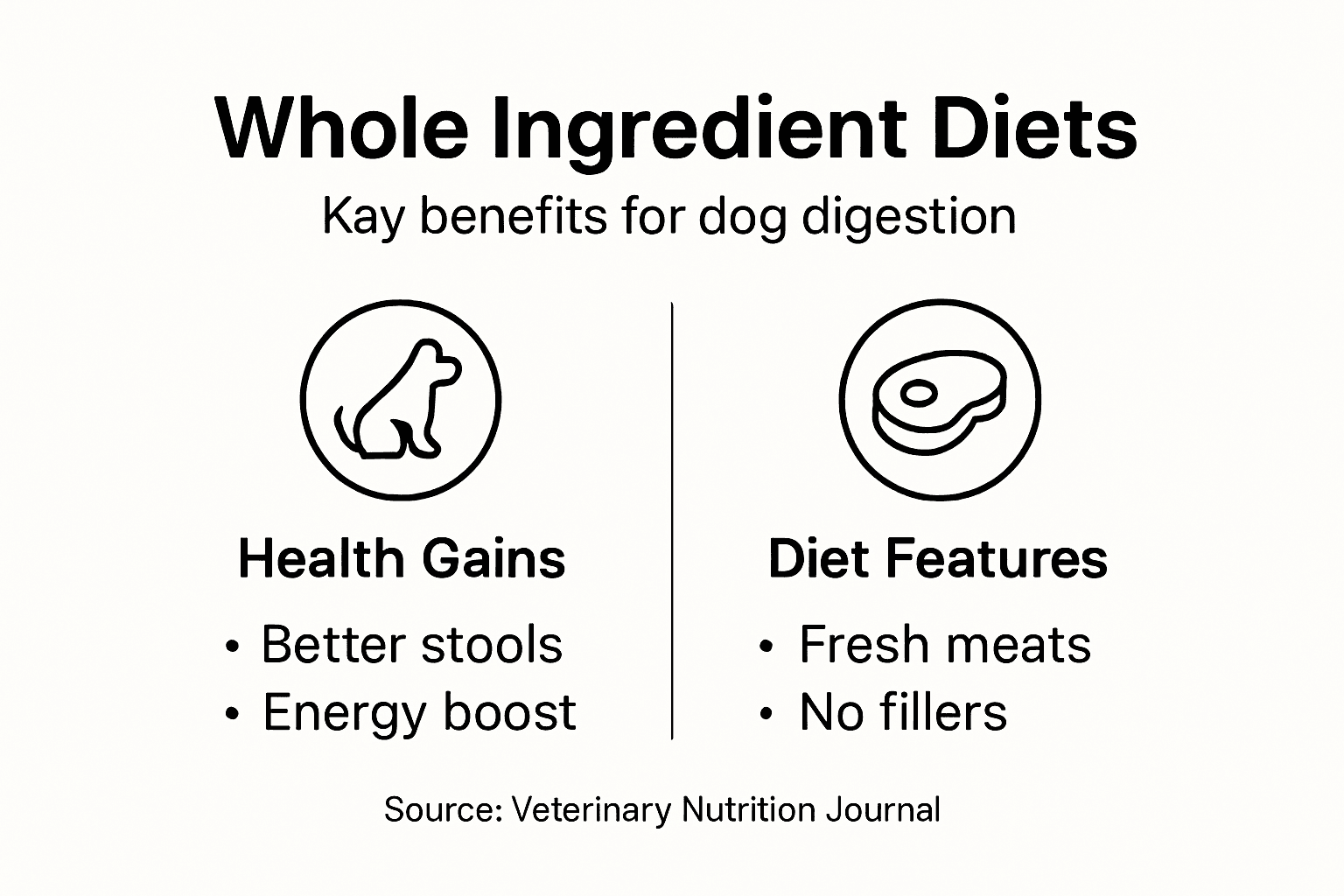
Whole food nutrition goes far beyond simple calorie provision. By delivering nutrients in their most natural, unprocessed forms, these diets enable dogs to access nutrition in ways that most closely mirror their evolutionary dietary patterns. The intricate combination of proteins, vitamins, and minerals in whole ingredients supports optimal metabolic function, enhancing cellular health and promoting more efficient nutrient absorption.
Key advantages of natural, whole ingredient diets include:
Enhanced nutrient bioavailability
Reduced exposure to artificial additives
Improved digestive system function
Better immune system support
More consistent energy levels
Canine nutrition research reveals that natural diets can significantly improve digestibility and nutrient utilization. By prioritizing high-quality, minimally processed ingredients, dogs experience improved palatability, reduced food sensitivities, and more consistent nutritional intake.
The holistic approach of whole ingredient nutrition recognizes that food is more than mere sustenance—it’s a critical foundation for long-term health. Each carefully selected ingredient contributes to a comprehensive nutritional profile that supports everything from muscle development to cognitive function.
Pro tip: Gradually transition to whole ingredient diets by mixing new foods with existing diet, allowing your dog’s digestive system to adjust smoothly and minimize potential gastrointestinal upset.
Risks of Poor Food Choices for Dogs
Nutritional decisions can have profound consequences for canine health, with poor food choices potentially triggering serious digestive complications. Dog digestive health research reveals that inappropriate diets can lead to immediate and long-term gastrointestinal challenges that extend far beyond momentary discomfort.
The consequences of suboptimal nutrition are multifaceted and can impact multiple biological systems. Dogs consuming low-quality, improperly balanced diets may experience a cascade of health issues ranging from acute digestive disturbances to chronic nutritional deficiencies. These problems can compromise immune function, metabolic efficiency, and overall physiological resilience.
Risks associated with poor food choices include:
Chronic digestive inflammation
Nutrient malabsorption
Weakened immune responses
Increased susceptibility to infections
Potential organ stress and dysfunction
Comprehensive veterinary nutritional guidelines emphasize that inadequate nutrition can dramatically elevate the risk of obesity, metabolic disorders, and persistent gastrointestinal complications. Inappropriate diets may introduce harmful contaminants, disrupt essential digestive processes, and create long-term health challenges that require extensive veterinary intervention.
The intricate relationship between nutrition and canine health underscores the critical importance of making informed, scientifically-backed dietary choices. Each meal represents an opportunity to support or potentially undermine your dog’s fundamental physiological well-being.
The following table highlights the effects of diet quality on a dog’s digestive health:
Diet Quality | Positive Effects | Negative Effects |
High-quality, whole foods | Improved nutrient absorption | Fewer digestive complaints |
Low-quality, processed foods | Reduced gut efficiency | Increased risk of chronic issues |
Imbalanced nutrition | Irregular digestion | Weakened immune system |
Proper hydration | Enhanced digestion | Lower risk of constipation |
Pro tip: Consult with a veterinary nutritionist to develop a personalized dietary plan that addresses your specific dog’s unique nutritional requirements and potential sensitivities.
Support Your Dog’s Digestive Health with Premium Nutrition
Digestive health challenges like diarrhea, colitis, and food sensitivities can seriously affect your dog’s well-being. The article highlights how balanced nutrition, whole ingredients, and minimizing additives are essential to maintain gut function and avoid chronic digestive inflammation. If you want to give your furry family member the best chance at lasting vitality, muscle strength, and digestive comfort, choosing the right food is key.

Discover how Loyal Saints Pets brings a natural solution with freeze-dried dog food crafted from human-grade proteins, fruits, and vegetables. Our veterinarian-approved formulas support nutrient absorption and microbiome balance, helping to reduce upset and improve energy levels. Take control of your dog’s digestive health today with premium, minimally processed nutrition designed to nourish every stage of life. Explore our selection and experience gentle, wholesome feeding that promotes longer, happier days for your dog at Loyal Saints Pets.
Learn more about the importance of balanced nutrition and how natural diets enhance digestive function by visiting our site. Act now to support your dog’s gut and immune health with foods that truly make a difference.
Frequently Asked Questions
What are the signs of digestive issues in dogs?
Common signs of digestive issues in dogs include changes in stool consistency, frequency of bowel movements, vomiting, lethargy, and the presence of blood or mucus in the stool.
How does nutrition impact a dog’s digestive health?
Nutrition plays a crucial role in maintaining digestive health by ensuring balanced diets rich in high-quality proteins, appropriate fiber types, and essential nutrients, which enhances digestion, nutrient absorption, and immune function.
What are the benefits of a natural, whole ingredient diet for dogs?
A natural, whole ingredient diet promotes better nutrient bioavailability, reduces exposure to artificial additives, improves digestive function, and supports the immune system, resulting in overall better health and energy levels for dogs.
How can I monitor my dog’s digestive health effectively?
You can monitor your dog’s digestive health by observing stool quality, noting any changes in eating habits, tracking energy levels, and keeping a log of any digestive symptoms to share with your veterinarian.
Recommended
Comments