.png)
Digestive Health for Pets – Impact on Vitality
- Nick Willkom
- Jan 15
- 7 min read


Most American women living in cities know the struggle of keeping their dogs happy and healthy, especially when digestive issues arise. Studies show that more than half of pet owners worry about signs like sensitive stomachs or appetite loss in their dogs each year. Understanding how your dog’s digestive system works can make a real difference. This guide breaks down what every health-conscious, pet-loving American woman should know when choosing premium, vet-approved freeze-dried dog food for better digestion.
Table of Contents
Key Takeaways
Point | Details |
Holistic Digestive Health | A well-functioning digestive system is crucial for nutrient absorption, immune support, and overall vitality. |
Role of the Gut Microbiome | Maintaining a balanced gut microbiome is essential for immune function and preventing health issues. |
Diet’s Impact on Health | Selecting the right diet tailored to a pet’s needs can enhance digestive function and overall wellness. |
Recognizing Digestive Issues | Early detection of symptoms like vomiting or diarrhea is vital for timely veterinary intervention and care. |
Defining Digestive Health in Pets
Digestive health represents the comprehensive functioning of an animal’s digestive system, involving critical processes of nutrient processing and waste elimination. For dogs, this intricate system encompasses multiple organs working in seamless coordination to break down food, extract essential nutrients, and support overall physiological wellness. Digestive systems in animals have evolved complex mechanisms tailored to specific dietary requirements and metabolic needs.
The digestive tract in pets is a sophisticated network involving several key components. These include the mouth, teeth, salivary glands, esophagus, stomach, small and large intestines, pancreas, liver, and gallbladder. Each organ plays a specialized role in transforming consumed food into usable energy and vital nutrients. The digestive system’s anatomy determines an animal’s capacity to efficiently process different types of nutrition, whether they are carnivorous, omnivorous, or herbivorous.
Here’s a summary of the main digestive organs and their primary functions in pets:
Organ | Main Function | Importance for Health |
Mouth/Teeth | Chews and breaks down food | Prepares food for digestion |
Stomach | Digests proteins and food | Begins chemical breakdown process |
Small Intestine | Absorbs nutrients | Transfers nutrients to the body |
Large Intestine | Absorbs water/forms stool | Prepares waste for elimination |
Pancreas | Releases digestive enzymes | Aids nutrient breakdown |
Liver | Processes nutrients/detoxifies | Regulates metabolism, detoxifies |
Gallbladder | Stores/releases bile | Helps digest dietary fats |
Effective digestive health goes beyond simple food processing. It involves critical functions like nutrient absorption, immune system support, microbiome balance, and waste elimination. A well-functioning digestive system ensures that pets receive maximum nutritional value from their diet, supports their immune responses, and helps maintain optimal energy levels and overall vitality.
Pro tip: Observe your pet’s daily digestive patterns and consult with a veterinarian if you notice persistent changes in appetite, stool consistency, or energy levels.
How the Digestive System Supports Wellness
The digestive system plays a pivotal role in maintaining overall wellness for pets, functioning as a complex biological mechanism that does far more than simply processing food. Digestive system processes are fundamental to energy production, nutrient absorption, and supporting critical bodily functions that directly impact a pet’s vitality and health.

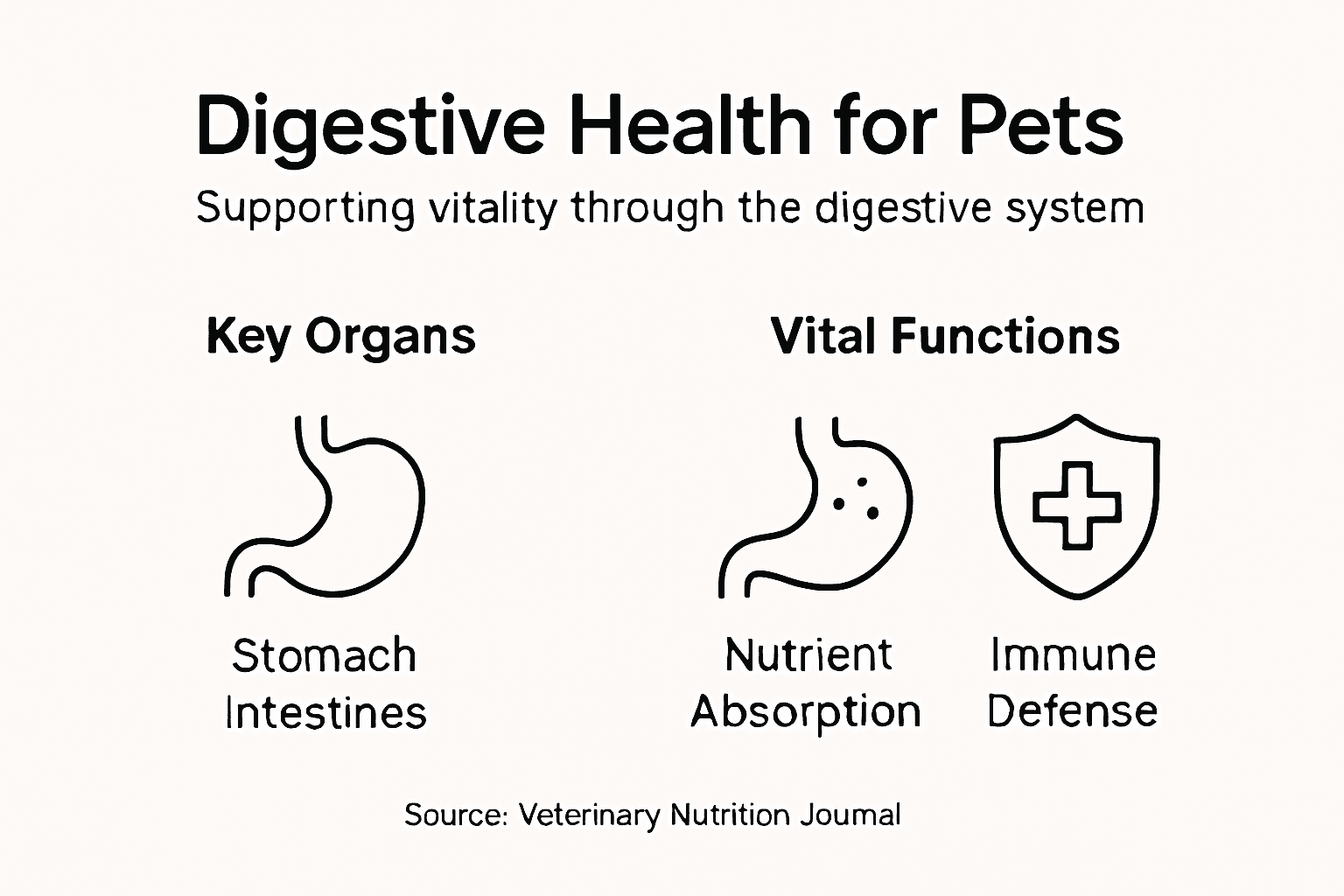
Nutrient absorption represents one of the most critical functions of the digestive system. Each organ works in intricate coordination to break down consumed food into essential nutrients that fuel metabolic processes, support immune function, and maintain cellular health. The stomach, intestines, pancreas, and liver collaborate to transform food into usable energy, ensuring that pets receive maximum nutritional benefit from their diet.
Beyond nutrition, the digestive system serves as a critical defense mechanism. Gut health maintenance involves managing inflammation, supporting immune responses, and preventing potential disease development. A well-functioning digestive tract helps regulate the body’s inflammatory responses, supports immune system efficiency, and contributes to overall physiological balance.
Pro tip: Monitor your pet’s digestive health by tracking their appetite, stool consistency, and energy levels, and consult with a veterinarian about potential nutritional interventions that can support optimal digestive function.
The Gut Microbiome and Immune Defense
Gut microbiome represents a complex ecosystem of microorganisms living within an animal’s digestive tract, playing a crucial role in maintaining overall health and immune function. Gut microbiota composition in dogs involves a delicate balance of bacterial populations that directly influence metabolic processes, disease resistance, and systemic wellness.
The microbiome serves as a sophisticated defense mechanism, educating and supporting the immune system through intricate interactions. Different bacterial strains work collaboratively to prevent pathogen invasion, regulate inflammatory responses, and maintain digestive tract integrity. Canine gut microbiome research indicates that bacterial groups like Firmicutes, Bacteroidetes, and Proteobacteria are essential in supporting immune function and protecting against potential health threats.
Maintaining a balanced microbiome requires a holistic approach that considers diet, stress levels, and environmental factors. Disruptions in this delicate ecosystem can lead to dysbiosis, potentially triggering gastrointestinal disorders, reduced immune efficiency, and compromised overall health. Understanding these complex interactions helps pet owners make informed nutritional and lifestyle choices that support their dog’s microbiome health.
Pro tip: Introduce probiotic-rich foods or supplements gradually and consult with your veterinarian to develop a personalized microbiome support strategy for your pet.
Diet’s Role in Gut and Overall Health
Diet represents the foundational element of digestive health, directly impacting a pet’s microbiome, immune function, and overall vitality. Optimal pet nutrition guidelines emphasize that carefully selected dietary components play a critical role in supporting digestive processes, nutrient absorption, and long-term wellness.
Nutritional composition dramatically influences gut microbiome diversity and functionality. Specific dietary elements like prebiotics, probiotics, and balanced protein sources can modulate bacterial populations, enhance immune responses, and reduce inflammation. Dietary impacts on microbiome reveal that strategic nutritional choices can significantly alter gut bacteria composition, potentially preventing chronic digestive disorders and supporting metabolic health.
Individualized nutrition remains key to addressing unique pet health requirements. Factors such as age, breed, activity level, and existing health conditions must be considered when designing a diet that promotes optimal digestive function. High-quality proteins, easily digestible carbohydrates, essential fatty acids, and targeted micronutrients work synergistically to support a robust digestive system and overall pet vitality.
Pro tip: Work with your veterinarian to develop a personalized nutrition plan that addresses your pet’s specific digestive health needs and supports their individual wellness goals.
Recognizing and Preventing Digestive Issues
Digestive health problems can significantly impact a pet’s overall wellness, requiring vigilant observation and proactive management. Canine gastrointestinal risks include foreign body obstructions, which can emerge from pets inadvertently consuming non-digestible objects, leading to potentially serious medical complications.
Recognizing early warning signs is crucial for timely intervention. Key symptoms of digestive distress include persistent vomiting, diarrhea, sudden weight loss, reduced appetite, abdominal pain, and unusual lethargy. These indicators suggest potential underlying health issues that demand immediate veterinary attention. Preventive pet health strategies emphasize the importance of regular check-ups, maintaining proper nutrition, and creating safe home environments to minimize digestive risks.
Prevention requires a comprehensive approach targeting multiple aspects of pet care. This includes providing high-quality, easily digestible nutrition, maintaining strict hygiene practices, supervising pets during playtime to prevent ingestion of foreign objects, managing stress levels, and ensuring consistent veterinary monitoring. Owners should also be mindful of breed-specific digestive vulnerabilities and adjust care strategies accordingly.
The table below compares common digestive issues and proactive prevention tips for pet owners:
Digestive Issue | Common Cause | Prevention Strategy |
Foreign body blockage | Ingestion of objects | Supervise, pet-proof environment |
Chronic diarrhea | Dietary intolerance, stress | Balanced diet, manage stresses |
Constipation | Low fiber, dehydration | Hydration, add dietary fiber |
Vomiting episodes | Rapid eating, food changes | Slow feeder, gradual diet changes |
Pro tip: Create a detailed health journal tracking your pet’s dietary intake, digestive patterns, and any unusual symptoms to help your veterinarian diagnose potential issues more effectively.
Unlock Your Pet’s Full Vitality with Optimal Digestive Health
The article highlights the importance of a balanced and well-functioning digestive system to support your pet’s nutrient absorption, immune defense, and overall vitality. Digestive challenges such as microbiome imbalance and dietary intolerance can directly affect your dog’s energy, immune health, and happiness. If you want to give your pet natural, premium nutrition crafted specifically to support digestive health and boost vitality, exploring quality, freeze-dried options is key.
Loyal Saints Pets offers thoughtfully formulated, veterinarian-approved freeze-dried dog food made from human-grade proteins and wholesome fruits and vegetables. These foods are designed to enhance nutrient absorption, maintain a balanced gut microbiome, and promote long-term wellness without fillers or additives. By choosing our products, you provide your beloved companion with the digestive support needed for a healthier, more active lifestyle.
Discover premium, natural dog food that supports your pet’s digestive health today

Don’t wait to improve your dog’s vitality through the power of digestive wellness. Visit Loyal Saints Pets now to choose the best nutrition for your family member and help them thrive every day.
Frequently Asked Questions
What are the signs of digestive health issues in pets?
Common signs include persistent vomiting, diarrhea, sudden weight loss, reduced appetite, abdominal pain, and unusual lethargy.
How can I support my pet’s digestive health?
You can support your pet’s digestive health by providing a balanced diet rich in high-quality proteins, easily digestible carbohydrates, and incorporating fiber. Monitoring their digestive patterns and consulting with a veterinarian can also help.
What role does diet play in my pet’s gastrointestinal health?
Diet plays a crucial role in your pet’s gastrointestinal health by influencing the gut microbiome, nutrient absorption, and overall wellbeing. Specific dietary components like prebiotics and probiotics help maintain a balanced digestive system.
How can I introduce probiotics into my pet’s diet?
To introduce probiotics into your pet’s diet, start with small amounts of probiotic-rich foods or supplements and gradually increase the quantity. It’s best to consult with your veterinarian for a personalized approach.
Recommended
Comments