.png)
Why Focus on Digestive Health for Dogs
- Nick Willkom
- Jan 1
- 7 min read


Most American households now view gut health as vital for their dogs, with over 60 percent choosing specialized diets to support digestion. In fast-paced cities, health-conscious owners want every meal to deliver natural nutrition and lasting energy. Understanding the digestive system can help you select premium freeze-dried foods that enhance your pet’s vitality while reducing common issues like upset stomachs and low energy.
Table of Contents
Key Takeaways
Point | Details |
Understanding Digestive Health | Digestive health encompasses the functioning of a dog’s gastrointestinal system, crucial for nutrient absorption and waste elimination. |
Importance of Regular Check-Ups | Scheduling regular veterinary visits can help monitor and maintain a dog’s digestive health, catching potential issues early. |
Role of Diet in Gut Health | A balanced, tailored diet enhances gut health, impacting overall well-being and digestion. |
Recognizing Digestive Issues | Being aware of symptoms like diarrhea or vomiting is vital for early intervention and preventing serious health concerns. |
Defining Digestive Health for Dogs
Digestive health represents the comprehensive functioning of a dog’s entire gastrointestinal system, encompassing complex processes that transform food into essential nutrients and energy. According to veterinary research, this system includes multiple interconnected organs like the mouth, teeth, salivary glands, esophagus, stomach, small intestine, large intestine, pancreas, liver, and gall bladder.
Here’s a summary of key digestive organs and their primary functions in dogs:
Organ | Main Function | Impact on Health |
Mouth and Teeth | Initiates food breakdown | Prepares food for digestion |
Stomach | Mixes and digests food | Releases digestive enzymes |
Small Intestine | Absorbs nutrients | Transfers nutrients to blood |
Large Intestine | Absorbs water, forms stool | Prevents dehydration |
Pancreas | Produces digestive enzymes | Assists in fat digestion |
Liver and Gall Bladder | Metabolizes nutrients and stores bile | Supports toxin elimination |
At its core, digestive health determines how effectively your dog can break down food, absorb critical nutrients, and eliminate waste. The intricate process involves mechanical breakdown through chewing, chemical decomposition via digestive enzymes, nutrient absorption through intestinal walls, and waste elimination. When these processes function optimally, dogs experience improved energy levels, stronger immune responses, and better overall wellness.
Nutritional experts emphasize that digestive health extends beyond simple food processing. Systematic nutritional assessments play a crucial role in maintaining digestive function, including evaluating body condition, muscle scoring, and developing individualized dietary recommendations. These assessments help veterinarians and pet owners understand how nutrition directly impacts a dog’s digestive system and overall health.
Pro Tip: Schedule regular veterinary check-ups to monitor your dog’s digestive health and catch potential issues before they become serious concerns.
Digestive System Functions and Microbiome
Digestive system functions are complex biological processes that transform food into energy and essential nutrients for dogs. According to veterinary research, these functions encompass critical tasks like mechanical breakdown, chemical decomposition, nutrient absorption, and waste elimination. Each stage represents a precise mechanism designed to extract maximum nutritional value from consumed food.
The gut microbiome plays a pivotal role in supporting these digestive processes. Canine microbiota research demonstrates that beneficial microbes perform multiple crucial functions beyond simple digestion. These microscopic organisms help combat harmful pathogens, produce essential nutrients, strengthen immune responses, and maintain a delicate internal ecosystem that directly influences a dog’s overall health.
Beyond basic nutrient processing, the digestive system serves as a sophisticated biological filter. When functioning optimally, it not only breaks down food but also screens potentially harmful substances, supports immune function, and helps regulate metabolism. The intricate balance of digestive enzymes, beneficial bacteria, and intestinal structures work together to ensure your dog receives maximum nutritional benefit from every meal.
Pro Tip: Monitor your dog’s digestive health by paying attention to consistent stool quality, energy levels, and appetite as key indicators of a healthy gut microbiome.
Key Benefits of Strong Gut Health
Digestive wellness is far more than simple nutrient processing for dogs. Comprehensive canine health research reveals that strong gut health delivers profound benefits extending well beyond basic digestion. A robust digestive system acts as a complex biological network that supports immune function, energy production, and overall physiological balance.
The primary benefits of maintaining optimal gut health include enhanced nutrient absorption, improved immune response, and increased resistance to stress and illness. Dogs with healthy digestive systems experience more consistent energy levels, better metabolic function, and reduced risks of gastrointestinal complications. Veterinary studies indicate that a well-functioning digestive tract helps protect against infections by maintaining a balanced internal ecosystem of beneficial microorganisms.
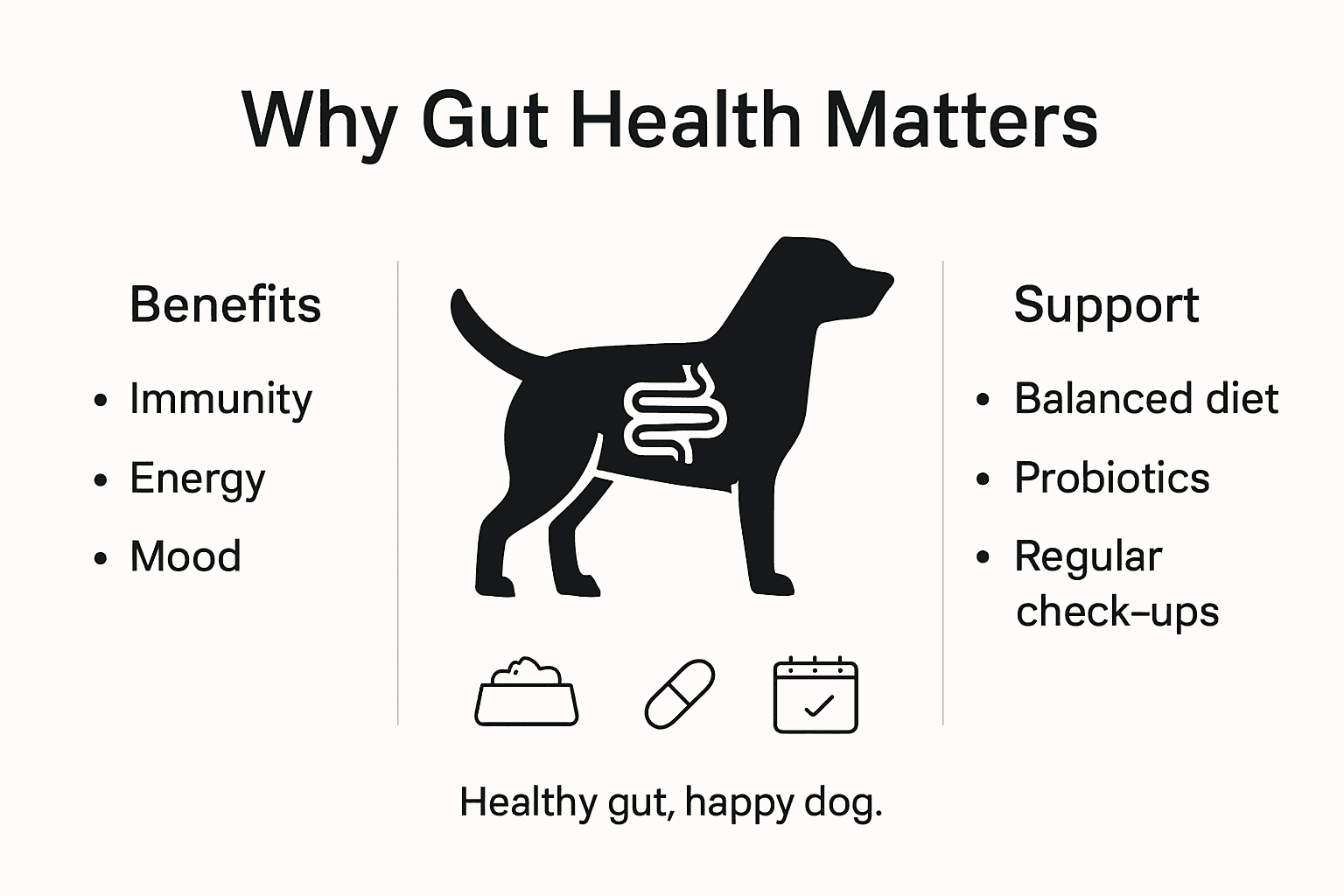
Strong gut health also plays a critical role in managing inflammatory responses and supporting mental well-being. The intricate connection between digestive health and overall wellness means that a balanced gut microbiome can positively influence a dog’s mood, cognitive function, and long-term resilience. By promoting efficient nutrient processing and maintaining a protective barrier against harmful bacteria, a healthy digestive system becomes a cornerstone of comprehensive canine health management.
Pro Tip: Introduce probiotic-rich foods or supplements gradually and consistently to support your dog’s gut microbiome and overall digestive wellness.
Common Digestive Issues in Dogs
Dogs experience a wide range of digestive complications that can significantly impact their overall health and quality of life. Comprehensive veterinary research reveals several prevalent digestive disorders that dog owners should understand and monitor. These issues range from mild temporary disruptions to more serious chronic conditions that require professional medical intervention.

Gastrointestinal challenges manifest through various symptoms and conditions. The most common digestive issues include diarrhea, vomiting, constipation, and food intolerances. Intestinal blockages represent a particularly serious concern that can quickly escalate from a minor problem to a life-threatening emergency. Dogs may experience these complications due to multiple factors including dietary indiscretion, allergies, infections, stress, or underlying medical conditions that disrupt normal digestive functioning.
Identifying and addressing digestive issues early is crucial for preventing more severe health complications. Inflammatory bowel disease, chronic gastroenteritis, and persistent digestive disruptions can lead to significant nutritional deficiencies and weaken a dog’s overall immune system. Veterinary professionals recommend careful monitoring of dietary intake, consistent observation of digestive patterns, and prompt medical consultation when persistent or severe symptoms emerge.
Pro Tip: Keep a detailed journal tracking your dog’s diet, digestive patterns, and any unusual symptoms to help veterinarians diagnose potential digestive health issues more accurately.
Diet Choices Supporting Gut Wellness
Dietary management plays a crucial role in maintaining optimal digestive health for dogs. Nutritional guidelines emphasize the importance of individualized diets that are carefully tailored to a dog’s specific life stage, health condition, and unique nutritional requirements. Understanding the intricate relationship between diet and digestive wellness can help dog owners make informed choices that support their pet’s overall health.
When addressing digestive challenges, veterinarians recommend specific food choices that promote healing and balance. Specialized dietary recommendations include easily digestible proteins, bland options like boiled chicken and rice, and nutrient-rich supplements such as plain pumpkin and bone broth. These foods help soothe upset stomachs, regulate digestion, and provide essential nutrients while minimizing gastrointestinal stress.
Comprehensive gut wellness extends beyond immediate symptom management. Dog owners should focus on creating a balanced diet that includes appropriate fiber content, controlled protein sources, and nutrients that support the microbiome. Probiotics, prebiotics, and carefully selected whole food ingredients can help maintain a healthy digestive environment, strengthen immune function, and promote long-term digestive resilience. Consulting with a veterinary nutritionist can help develop a personalized nutrition plan that addresses your dog’s specific digestive health needs.
The following table compares diet choices that can support or disrupt canine digestive health:
Food Type | Supports Digestive Health | Potential Risks |
Boiled chicken & rice | Gentle, easily digestible | Insufficient long-term nutrients |
High-fiber foods | Promotes regular bowel movements | May cause gas if excessive |
Fatty or spicy treats | Can trigger digestive upset | Leads to inflammation |
Probiotic supplements | Balances gut bacteria | Overuse may disturb balance |
Pro Tip: Introduce dietary changes gradually and monitor your dog’s digestive response to ensure optimal nutrient absorption and minimize potential gastrointestinal upset.
Risks of Poor Digestive Health
Digestive system disorders represent a significant threat to a dog’s overall health and well-being. Comprehensive veterinary research reveals that poor digestive health can lead to a cascade of serious health complications, including malnutrition, compromised immune function, and potentially life-threatening systemic conditions. When a dog’s digestive system fails to function properly, the consequences extend far beyond simple discomfort.
Untreated digestive issues pose severe risks that can rapidly escalate into critical medical emergencies. Intestinal blockages, chronic inflammation, and persistent gastrointestinal disorders can cause tissue damage, systemic infections, and potentially fatal outcomes. These conditions not only impact a dog’s immediate health but can also create long-term nutritional deficiencies that compromise their overall quality of life and vitality.
The interconnected nature of digestive health means that problems in the gut can trigger widespread health issues. Chronic digestive disorders can disrupt nutrient absorption, weaken immune responses, and lead to secondary complications like weight loss, lethargy, and increased susceptibility to infections. Dogs with compromised digestive systems may experience reduced energy, changed behavior, and diminished overall wellness, highlighting the critical importance of maintaining optimal gut health through proper nutrition, regular veterinary care, and proactive health management.
Pro Tip: Conduct monthly health assessments of your dog’s digestive patterns and consult your veterinarian immediately if you notice persistent changes in appetite, stool consistency, or energy levels.
Support Your Dog’s Digestive Health with Premium Nutrition
Digestive health is vital for your dog’s energy, immune strength, and overall happiness. If you are concerned about digestive issues like upset stomachs, irregular stool, or food sensitivities mentioned in the article, it is essential to provide nutrition that supports a balanced gut microbiome and efficient nutrient absorption. Natural, minimally processed foods made from whole, human-grade ingredients can help strengthen your dog’s digestive system and promote lasting wellness.

Explore Loyal Saints Pets for freeze-dried dog food designed to maintain digestive health, free from additives and fillers. Our veterinarian-approved recipes offer balanced nutrition with high-quality proteins, fruits, and vegetables. Take action now to improve your dog’s vitality and digestive resilience by choosing products that nourish gut health. Visit Loyal Saints Pets today and give your dog the gift of natural, wholesome nutrition for a longer, happier life.
Frequently Asked Questions
What is digestive health for dogs?
Digestive health refers to the overall functioning of a dog’s gastrointestinal system, including the breakdown of food, nutrient absorption, and waste elimination. Key organs include the mouth, stomach, small intestine, and large intestine.
Why is gut microbiome important for dogs?
The gut microbiome consists of beneficial microbes that aid in digestion, combat harmful pathogens, and strengthen the immune system. A balanced microbiome is crucial for maintaining a dog’s overall health and wellbeing.
What are common digestive issues in dogs to watch for?
Common digestive issues include diarrhea, vomiting, constipation, and food intolerances. It’s essential to monitor your dog’s symptoms and consult a veterinarian if issues persist or worsen.
How can diet choices support a dog’s digestive health?
A balanced diet tailored to your dog’s needs can promote digestive wellness. Foods that are easily digestible and rich in probiotics, alongside appropriate fiber content, support gut health and improve nutrient absorption.
Recommended
Comments