.png)
Digestive Health in Dogs Explained: Impact on Vitality
- Nick Willkom
- Dec 15, 2025
- 7 min read


Most American pet owners are surprised to learn that nearly 60 percent of dogs will experience digestive issues at some point in their lives. Digestive health is not just about comfort, it plays a vital role in a dog’s energy, immune response, and overall quality of life. By understanding how nutrition and gut function are connected, dog lovers can make smarter choices that set up their pets for happier, healthier years together.
Table of Contents
Key Takeaways
Point | Details |
Digestive Health is Critical | A strong digestive system is essential for dogs’ overall wellness, supporting energy, growth, and immune function. |
Nutrition Matters | Proper nutrition, including high-quality proteins and balanced fibers, plays a key role in maintaining digestive health and preventing issues. |
Watch for Symptoms | Early detection of digestive distress, indicated by symptoms like vomiting and lethargy, is vital for ensuring timely veterinary care. |
Tailored Diets | Individualized dietary plans based on a dog’s age, breed, and health conditions are necessary for optimal digestive function. |
Defining Digestive Health in Dogs
Digestive health represents a critical foundation for overall wellness in dogs, encompassing the intricate biological processes that transform food into nutrients essential for energy, growth, and cellular repair. At its core, canine digestive health involves the complex interactions between ingested food and the body’s sophisticated internal systems. Understanding the nuanced roles of digestive organs reveals how nutrition directly impacts a dog’s vitality and long-term metabolic functioning.
The digestive system acts as a sophisticated processing network that begins in the mouth and extends through multiple organs. Mechanical breakdown starts with chewing, where saliva initiates enzymatic reactions, while subsequent stages involve stomach acid, pancreatic enzymes, and intestinal absorption mechanisms. Each component plays a specialized role in converting food molecules into bioavailable nutrients that fuel cellular processes, muscle maintenance, and immune function.
Key elements of robust digestive health include consistent nutrient absorption, balanced microbiome composition, and efficient waste elimination. Dogs experiencing optimal digestive function demonstrate improved energy levels, stronger immune responses, and more consistent metabolic regulation. Recognizing the intricate processes of canine digestion helps pet owners understand why nutrition extends far beyond simple calorie consumption - it represents a holistic approach to supporting comprehensive physiological wellness.
Critical Digestive Health Components:
Efficient nutrient extraction
Balanced gut microbiome
Consistent enzyme production
Proper waste management
Inflammation regulation
Common Digestive Issues and Their Causes
Canine digestive health is vulnerable to numerous complications that can significantly impact a dog’s overall wellness and quality of life. Common nutritional health problems affecting dogs range from mild gastrointestinal disturbances to severe metabolic disorders, with dietary factors playing a critical role in their development and progression.
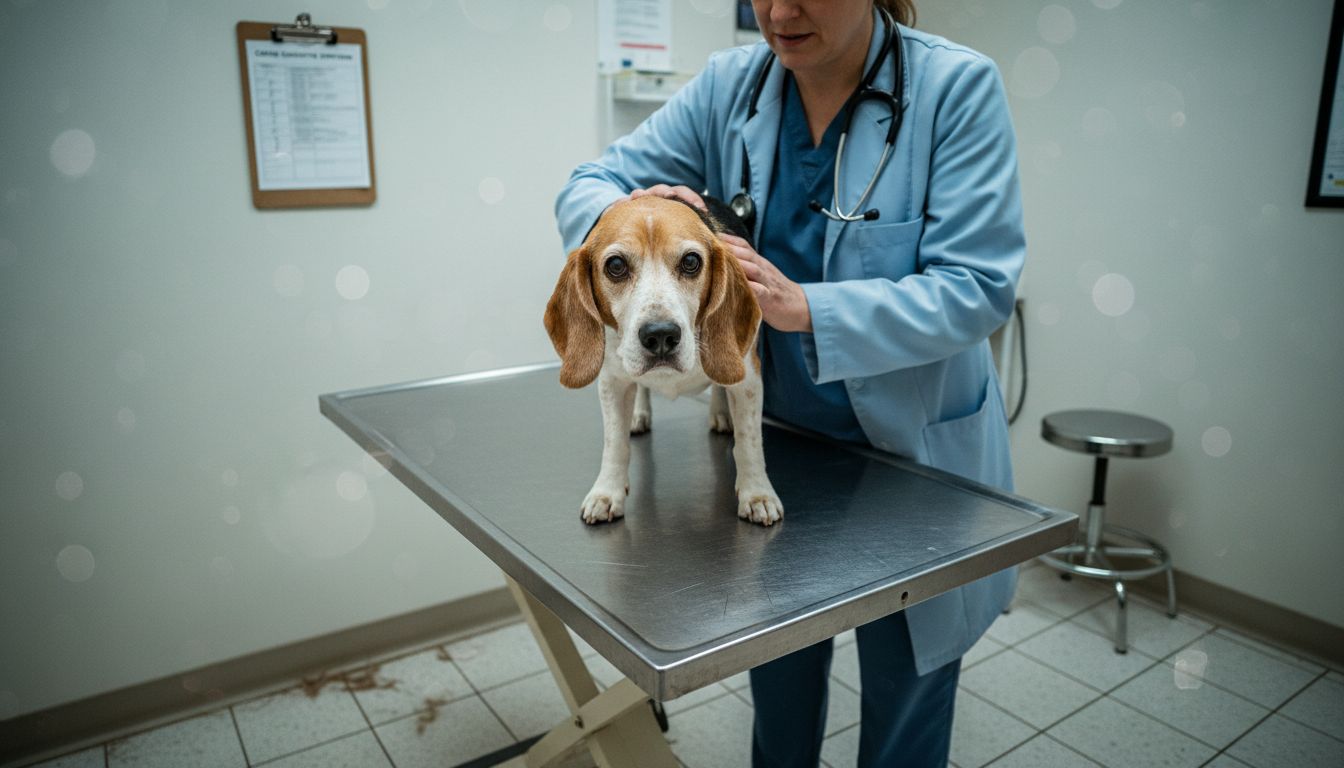
Dogs frequently experience several key digestive challenges that demand careful nutritional management. Chronic diarrhea, inflammatory bowel disease, and food sensitivities represent some of the most prevalent issues veterinarians encounter. These conditions often stem from complex interactions between genetic predispositions, dietary ingredients, and environmental factors. Specific triggers like protein intolerances, excessive fat consumption, sudden diet changes, and bacterial imbalances can precipitate significant digestive disruptions.
Nutrition plays a pivotal role in preventing and managing these digestive complications. Poor dietary choices can exacerbate existing conditions or create new health challenges. Factors such as ingredient quality, protein sources, fiber content, and overall nutritional balance directly influence gastrointestinal function. Dogs with sensitive stomachs or predisposed genetic backgrounds require particularly careful nutritional strategies to maintain optimal digestive wellness.
Primary Digestive Health Challenges:
Chronic diarrhea
Inflammatory bowel disease
Food allergies and sensitivities
Pancreatic insufficiency
Intestinal parasitic infections
Key Contributing Factors:
Inappropriate diet composition
Sudden nutritional changes
High-fat food consumption
Genetic predispositions
Stress and environmental disruptions
Key Symptoms and Warning Signs
Recognizing early indicators of digestive distress is crucial for maintaining a dog’s health and preventing potentially serious complications. Certain symptoms demand immediate veterinary attention, particularly those suggesting critical conditions like gastric dilatation-volvulus, which can rapidly escalate into life-threatening emergencies.
Acute Warning Signs indicate significant digestive system dysfunction and require prompt professional evaluation. These include persistent vomiting lasting more than 24 hours, bloody or tarry stools, extreme lethargy, sudden weight loss, and signs of severe abdominal pain such as hunching, whimpering, or reluctance to move. Dogs experiencing consistent digestive disruptions may also demonstrate reduced appetite, excessive drooling, and unexplained changes in water consumption patterns.
Subtle chronic symptoms often precede more serious digestive disorders and should not be overlooked. Intermittent soft stools, occasional gas, sporadic stomach gurgling, and inconsistent energy levels can signal underlying nutritional imbalances or emerging gastrointestinal challenges. Weight fluctuations, dull coat quality, and behavioral changes like increased irritability might also indicate deeper digestive health issues that require comprehensive dietary assessment.
Critical Digestive Distress Indicators:
Persistent vomiting
Blood in stool or vomit
Extreme lethargy
Sudden weight loss
Abdominal pain or swelling
Subtle Warning Signals:
Inconsistent stool quality
Reduced appetite
Unexplained weight changes
Excessive gas
Decreased energy levels
Nutritional Needs for Optimal Digestion
Specific dietary components play a critical role in supporting canine digestive health, with carefully selected nutrients capable of enhancing microbial composition, intestinal barrier function, and overall digestive performance. The intricate balance of proteins, fatty acids, fibers, and micronutrients determines a dog’s ability to effectively process and absorb essential nutritional elements.
Proper nutrition involves more than simply providing calories. High-quality protein sources, preferably from easily digestible animal proteins, form the foundation of optimal digestive function. Dogs require carefully balanced diets that include specific nutrients like omega-3 fatty acids, fermentable fibers, and strategic probiotic additions. These components work synergistically to support gut microbiome health, reduce inflammation, and promote efficient nutrient absorption. Specialized diets can address specific digestive challenges, particularly for dogs with sensitive digestive systems or underlying health conditions.
Nutritional strategies must be tailored to individual dog characteristics, considering factors like age, breed, activity level, and existing health conditions. Younger, more active dogs require different nutritional profiles compared to senior dogs, with protein quality, fat content, and fiber ratios playing crucial roles in maintaining optimal digestive wellness. Veterinary nutritionists recommend periodic dietary assessments to ensure nutritional needs are consistently met and adjusted as the dog ages and its metabolic requirements change.
Essential Nutritional Components:
High-quality animal proteins
Omega-3 fatty acids
Fermentable dietary fibers
Probiotics
Easily digestible nutrients
Key Nutritional Considerations:
Individual dog metabolism
Age-specific requirements
Breed-specific nutritional needs
Activity level impact
Existing health conditions
Supporting a Healthy Gut with Diet Choices
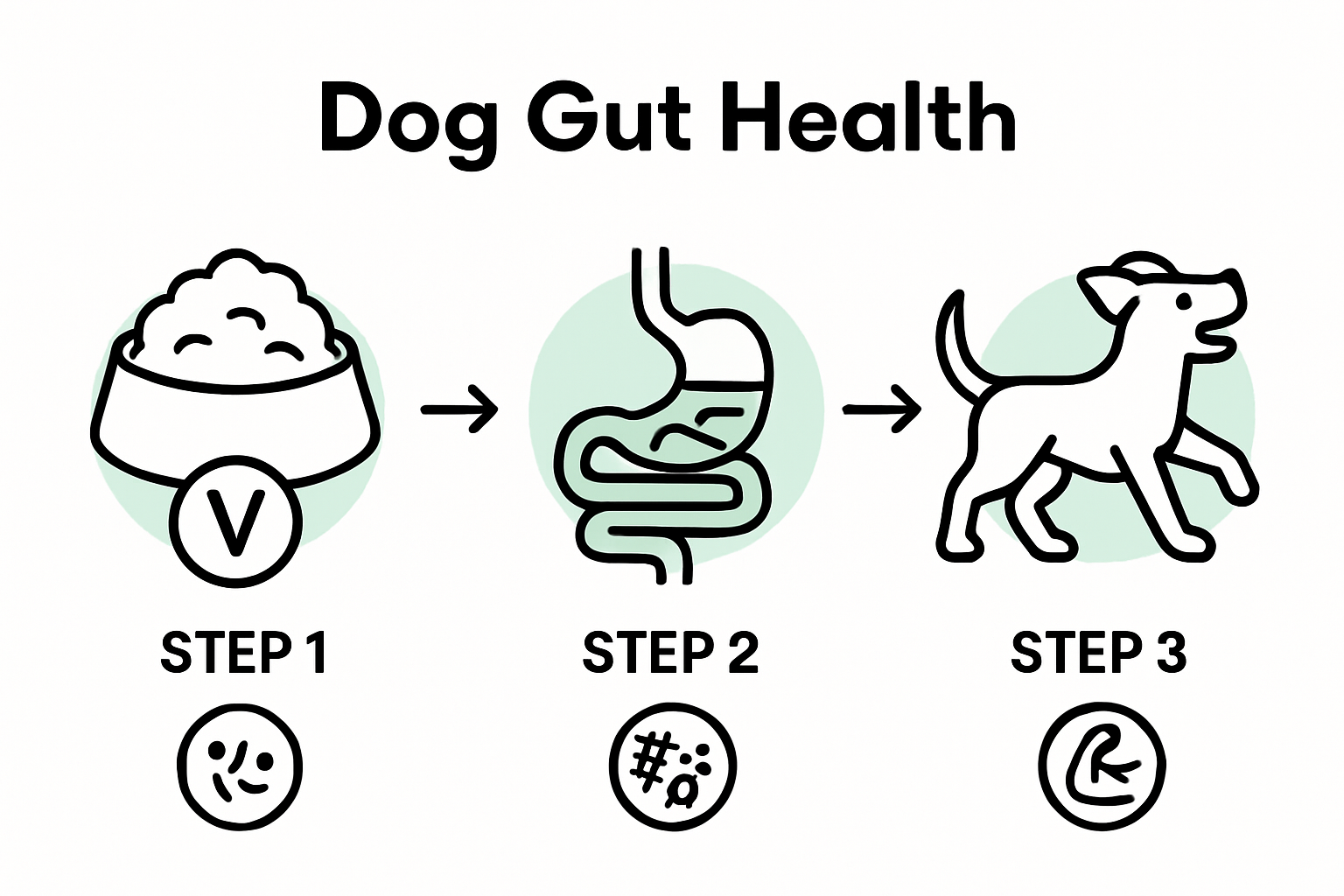
Dietary modulation offers a powerful approach to supporting canine gut health, with strategic nutritional choices capable of regulating microbial diversity and metabolic function. The relationship between diet and digestive wellness extends far beyond basic nutrition, representing a complex interaction between food ingredients and the intricate digestive ecosystem.
Proper gut support requires a multifaceted nutritional strategy that goes beyond simple calorie intake. Functional ingredients play a critical role in maintaining digestive balance, with specific components like prebiotics, probiotics, and carefully selected fibers contributing to microbiome stability. Dogs benefit from diets that include diverse, high-quality protein sources, omega-3 fatty acids, and targeted nutritional compounds that support intestinal barrier function and reduce inflammatory responses.
Individual dietary needs vary significantly based on factors such as age, breed, activity level, and existing health conditions. Veterinary nutritionists recommend a personalized approach that considers the dog’s unique metabolic profile, potentially incorporating specialized supplements or modified food compositions to address specific digestive challenges. Gradual dietary transitions, portion control, and consistent feeding schedules further contribute to maintaining optimal gut health and preventing potential digestive disruptions.
Key Dietary Support Strategies:
Incorporate prebiotic-rich foods
Balance protein and fiber intake
Use targeted nutritional supplements
Maintain consistent feeding schedules
Monitor individual digestive responses
Critical Nutritional Components:
Omega-3 fatty acids
High-quality protein sources
Fermentable dietary fibers
Probiotic supplements
Easily digestible nutrients
Risks of Poor Digestive Health in Dogs
Poor digestive health can trigger a cascade of serious medical complications for dogs, extending far beyond immediate gastrointestinal discomfort. Chronic digestive issues represent more than temporary inconvenience - they constitute fundamental threats to a dog’s overall physiological functioning and long-term wellness.
The spectrum of potential health risks associated with compromised digestive systems is extensive and potentially devastating. Systemic health challenges emerge when digestive dysfunction prevents proper nutrient absorption, weakens immune responses, and creates persistent inflammatory conditions. Dogs experiencing chronic digestive problems may develop secondary complications including obesity, pancreatitis, metabolic disorders, immune system suppression, and increased susceptibility to infections. The intricate connections between digestive health and overall bodily function mean that seemingly localized intestinal issues can rapidly escalate into complex, multisystem health challenges.
Prolonged digestive distress also impacts a dog’s psychological and behavioral well-being. Persistent gastrointestinal discomfort can lead to reduced activity levels, decreased appetite, weight fluctuations, and increased stress responses. Veterinary experts emphasize that digestive health represents a critical indicator of overall metabolic balance, with disruptions potentially signaling deeper underlying genetic, nutritional, or environmental imbalances that require comprehensive diagnostic investigation and targeted intervention.
Critical Health Risks:
Obesity
Pancreatitis
Metabolic disorders
Immune system suppression
Chronic inflammation
Potential Secondary Complications:
Reduced energy levels
Nutrient malabsorption
Increased infection susceptibility
Psychological stress
Compromised immune function
Support Your Dog’s Digestive Health with Natural Nutrition
Digestive health is vital for your dog’s energy, immune strength, and overall vitality. If you recognize signs such as inconsistent stool quality or low energy from the article, you understand how crucial it is to provide balanced nutrition featuring high-quality proteins, omega-3 fatty acids, and fermentable fibers. At Loyal Saints Pets, we specialize in premium freeze-dried dog food crafted from human-grade, whole ingredients designed to nurture your pet’s digestive system and promote lasting wellness.

Explore our specially curated Bundles | Loyal Saints for convenient access to thoughtfully formulated meals that support your dog’s gut health and vitality. Don’t wait until digestive issues become serious problems. Visit https://loyalsaintspets.com now to choose natural, veterinarian-approved nutrition. Give your dog the gift of health today and enjoy more active, happy times together.
Frequently Asked Questions
What are the signs of digestive problems in dogs?
Common signs include persistent vomiting, diarrhea, blood in stool, lethargy, sudden weight loss, and signs of abdominal pain. Subtle symptoms like inconsistent stool quality, reduced appetite, and changes in energy levels may also indicate digestive issues.
How can diet affect my dog’s digestive health?
Diet plays a crucial role in maintaining optimal digestive health by influencing nutrient absorption and gut microbiome composition. High-quality proteins, omega-3 fatty acids, and fermentable fibers can enhance digestion and prevent gastrointestinal disturbances.
What are some common digestive issues that affect dogs?
Common digestive issues include chronic diarrhea, inflammatory bowel disease, food allergies and sensitivities, and pancreatic insufficiency. These conditions can arise from dietary choices, ingredient quality, and environmental stressors.
How can I support my dog’s digestive health through nutrition?
To support digestive health, consider incorporating high-quality animal proteins, balance protein and fiber intake, use prebiotic and probiotic supplements, and maintain a consistent feeding schedule. Tailoring the diet to your dog’s individual needs is essential for optimal gut health.
Recommended
Comments