.png)
Best Practices for Feeding Dogs Naturally for Optimal Health
- Nick Willkom
- Dec 7, 2025
- 7 min read


More than half of American families now consider their dogs true members of the household. Picking the right food and feeding routine is about more than just filling a bowl. Nutrition directly influences your dog’s happiness and long term health. This guide breaks down simple, science-backed steps to help every American dog owner confidently choose the best food, portion meals correctly, and support their pet’s well-being from puppyhood to the golden years.
Table of Contents
Quick Summary
Key Takeaway | Explanation |
1. Assess Your Dog’s Needs | Evaluate breed, age, weight, and health for tailored nutrition. |
2. Choose Quality Natural Foods | Select AAFCO-approved foods with whole ingredients for balanced nutrition. |
3. Control Meal Portions | Feed the right amounts based on your dog’s individual requirements to avoid overfeeding. |
4. Ensure Food Safety | Follow hygiene practices when preparing meals to prevent contamination and illness. |
5. Monitor and Adjust Diet | Regularly check your dog’s health and adjust the diet as needed for ongoing wellness. |
Step 1: Assess Your Dog’s Dietary Needs
Understanding your dog’s unique nutritional requirements is the foundation for creating a healthy, personalized diet. Every dog has distinct dietary needs influenced by factors like breed, age, weight, activity level, and overall health status. By carefully evaluating these individual characteristics, you can develop a nutrition plan that supports optimal wellness and vitality.
To effectively assess your dog’s dietary needs, start with a comprehensive nutrition profile assessment. This involves examining key factors such as your dog’s current weight, body condition score, muscle tone, energy levels, and any existing health conditions. Veterinarians recommend tracking your dog’s weight monthly and adjusting caloric intake accordingly. Younger, more active dogs typically require higher protein and calorie content, while senior dogs might need lower calorie diets with enhanced joint support nutrients.
Pay close attention to your dog’s physical signals. A shiny coat, stable weight, consistent energy, and firm stools are indicators of a well-balanced diet. If you notice changes like excessive shedding, lethargy, or digestive issues, these might signal that your current feeding approach needs refinement. Consulting with a veterinary nutritionist can provide personalized insights into crafting the most appropriate natural diet for your furry companion.
Step 2: Select High-Quality Natural Foods
Choosing the right natural food is a critical step in supporting your dog’s long-term health and vitality. Your goal is to find a nutritionally complete diet that provides essential nutrients while using minimally processed, whole food ingredients that support optimal wellness.
When selecting natural foods, prioritize options that meet AAFCO nutritional standards, which ensure a balanced and complete diet for your dog. The American Kennel Club recommends considering your dog’s specific breed, activity level, and individual health requirements when making your selection. Look for foods with high-quality protein sources listed as the first ingredients, minimal artificial additives, and a clear nutritional breakdown that matches your dog’s age and lifestyle needs.
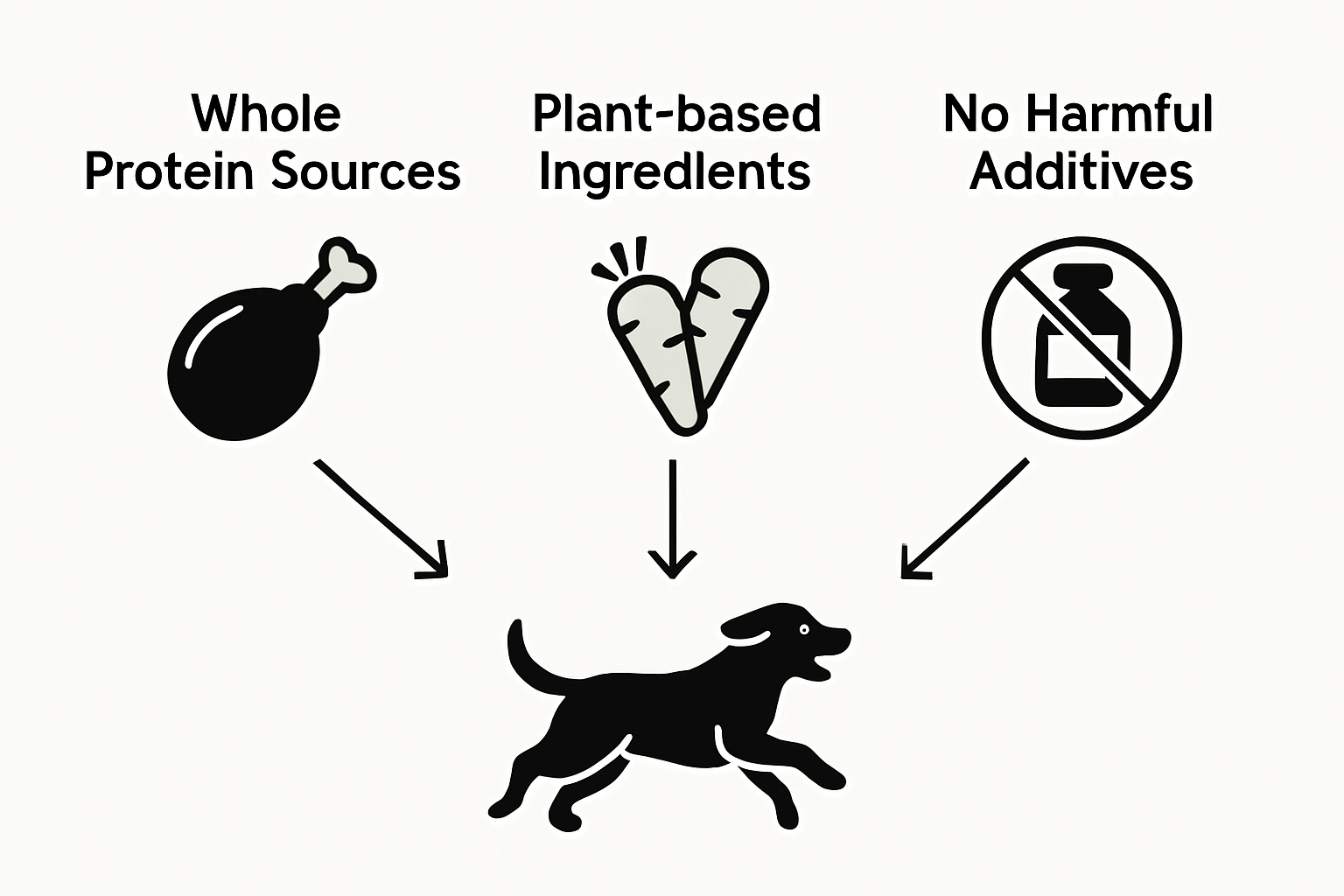
Key indicators of a superior natural dog food include whole meat proteins, recognizable plant-based ingredients, absence of artificial preservatives, and a commitment to transparency about sourcing and manufacturing processes. Watch for signs that the food supports your dog’s overall health such as improved energy levels, healthy coat condition, and stable digestion. When in doubt, consult with your veterinarian to ensure the selected natural diet aligns perfectly with your dog’s unique nutritional profile.
Step 3: Prepare and Portion Balanced Meals
Preparing balanced meals is a crucial step in maintaining your dog’s nutritional health and ensuring they receive the right amount of nutrients to support their unique needs. Your goal is to create consistent, portion-controlled meals that provide complete nutrition while avoiding overfeeding or underfeeding.
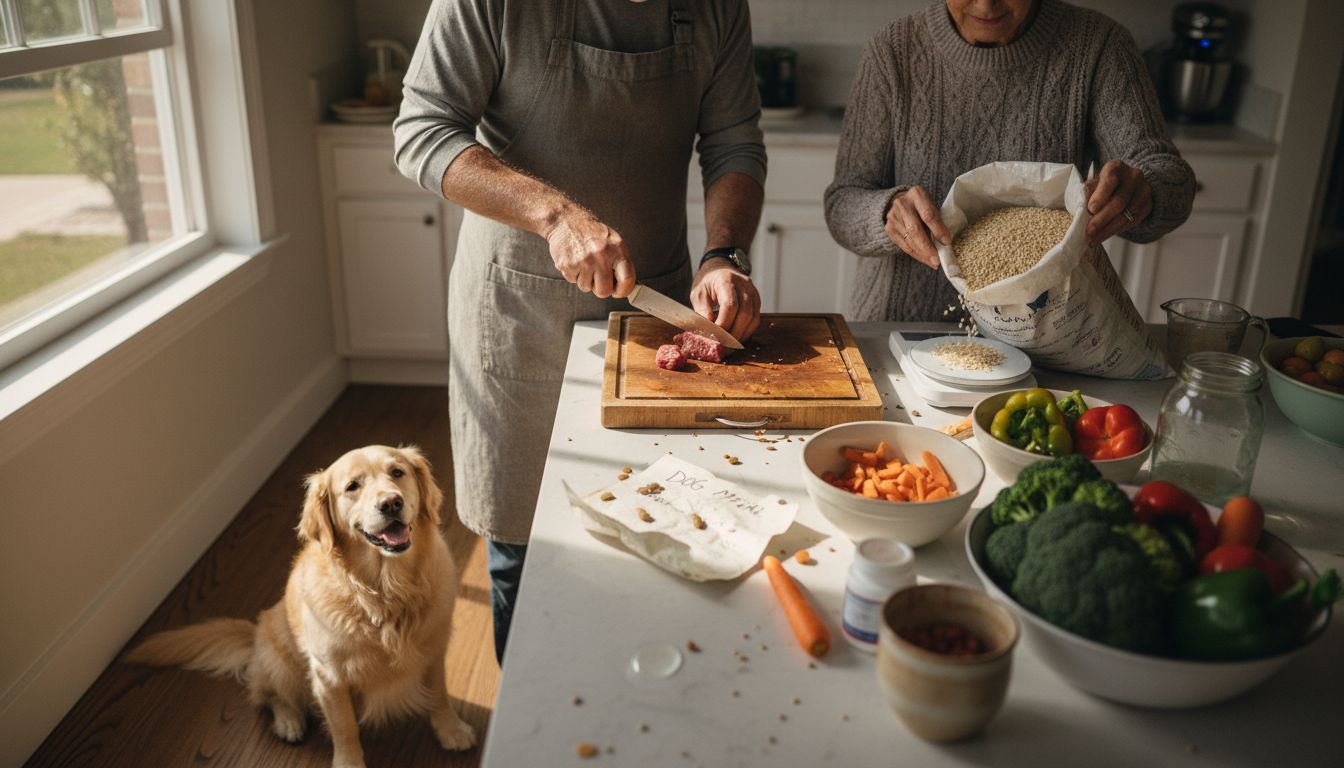
The ASPCA recommends feeding adult dogs twice daily, carefully controlling portion sizes based on your dog’s specific weight, activity level, and metabolic requirements. Gradual dietary transitions are essential for preventing digestive complications, especially when introducing new foods or adjusting meal plans. Start by measuring precise portions using a kitchen scale or specialized dog food measuring cup to ensure accurate serving sizes. Pay close attention to your dog’s body condition, adjusting portions incrementally if you notice weight gain or loss.
For puppies, the approach differs slightly. Younger dogs typically require more frequent meals three to four times daily, gradually transitioning to adult feeding schedules around six months of age. Always monitor your dog’s energy levels, coat condition, and overall health as indicators that your portioning strategy is working effectively. When in doubt, consult with your veterinarian to fine-tune your meal preparation and portioning approach for optimal nutrition.
Step 4: Serve Fresh Meals Safely
Serving fresh meals requires careful attention to food safety and handling practices that protect your dog’s health and prevent potential foodborne illnesses. Your primary goal is to ensure each meal is not only nutritious but also prepared and served with the highest standards of hygiene and safety.
FDA guidelines emphasize the critical importance of preventing food contamination by maintaining strict food handling protocols. Always wash your hands thoroughly before meal preparation, use clean utensils and surfaces, and store pet food at appropriate temperatures. When introducing new foods or changing diets, implement gradual transitions to minimize digestive disruptions and monitor your dog for any adverse reactions. Regularly inspect stored foods for signs of spoilage, check expiration dates, and immediately discard any meals that appear questionable or have unusual odors.
Refrigerate perishable meals promptly and never leave fresh food out at room temperature for extended periods. Use designated pet food bowls that are easy to clean and sanitize after each meal, and wash them regularly with hot water and mild soap. By implementing these careful safety practices, you can confidently provide fresh, nutritious meals that support your dog’s health and well-being.
Step 5: Monitor Health and Adjust Diet
Monitoring your dog’s health and making strategic dietary adjustments is crucial for maintaining long term wellness and preventing potential nutritional issues. Your goal is to create a dynamic nutrition plan that evolves with your dog’s changing health needs and physical condition.
The American Animal Hospital Association recommends regular assessments of your dog’s body condition score during veterinary visits to track physical changes that might signal dietary requirements. Veterinary consultation provides critical insights into tailoring your dog’s nutrition by analyzing factors like weight, muscle tone, energy levels, and specific health conditions. Watch for key indicators such as coat quality, digestive consistency, energy levels, and overall vitality to determine whether your current feeding strategy needs refinement.
Key signs that might prompt dietary adjustments include unexpected weight fluctuations, changes in coat condition, reduced energy, or emerging health challenges. Conduct monthly body condition assessments at home by checking your dog’s weight, feeling their ribs for muscle coverage, and observing their overall physical appearance. Remember that nutrition is not static your dog’s dietary needs will shift with age, activity level, and health status so remain flexible and proactive in your approach.
Elevate Your Dog’s Health with Premium Natural Nutrition
Feeding your dog naturally requires careful assessment, quality ingredients, and balanced portions to support optimal vitality and wellness. If you want to put these best practices into action, choose a dog food that meets your pup’s unique needs fully. Loyal Saints Pets specializes in premium freeze-dried meals made from human-grade whole ingredients with no additives or fillers. Our products support muscle strength, allergy management, and digestive health so your dog thrives at every life stage.
Explore our Chicken selection and discover our Beef options to find natural protein sources that match your dog’s dietary profile.
Transform meal times into moments of health and happiness by visiting Loyal Saints Pets. Shop now to give your dog balanced nutrition crafted for long term wellness and enjoy free shipping on qualifying orders. Your loyal companion deserves the best fuel to live a vibrant life—start today!
Frequently Asked Questions
How can I assess my dog’s dietary needs for optimal health?
To assess your dog’s dietary needs, evaluate factors like age, weight, activity level, and any health conditions. Start by keeping a monthly record of your dog’s weight and adjusting their caloric intake as needed to support healthy body condition and energy levels.
What should I look for when selecting high-quality natural dog food?
When choosing natural dog food, prioritize options that meet nutritional standards and use whole food ingredients. Look for high-quality protein sources listed first, minimal artificial additives, and clear nutritional information that matches your dog’s specific needs.
How do I prepare balanced meals for my dog?
To prepare balanced meals, ensure each meal is portion-controlled based on your dog’s weight and activity level. Measure servings accurately and gradually transition into new foods to prevent digestive issues, adjusting portions as necessary to maintain a healthy weight.
What are the food safety practices I should follow when serving my dog fresh meals?
Follow strict food safety guidelines by washing your hands before preparation, using clean utensils, and storing food properly. Always inspect food for spoilage and refrigerate perishable meals right after serving to prevent contamination.
How often should I monitor my dog’s health and adjust their diet?
Monitor your dog’s health monthly, paying attention to body condition, energy levels, and coat quality. Conduct home assessments regularly and consult your veterinarian when any noticeable changes occur to make necessary dietary adjustments.
What signs indicate that I need to adjust my dog’s diet?
Signs that may require dietary adjustments include unexpected weight gain or loss, changes in coat appearance, and decreased energy levels. If you notice these indicators, reassess your dog’s diet and make changes within a few weeks to ensure they receive optimal nutrition.
Recommended
Comments