.png)
Role of diet in dog vitality: vet-approved guide 2026
- Towanda Brunson
- a few seconds ago
- 9 min read

Many dog owners believe all commercial dog foods deliver similar health outcomes, but this misconception overlooks the profound impact nutrition has on canine vitality and longevity. Premium, vet-approved diets using human-grade ingredients can dramatically enhance your dog’s energy levels, immune function, and overall quality of life. This guide examines how strategic nutritional choices support vibrant health and extended lifespans, offering evidence-based insights to help you make informed decisions about your dog’s diet.
Table of Contents
Key takeaways
Point | Details |
Diet quality matters | Premium natural diets significantly outperform conventional foods in supporting vitality and healthy aging |
Balanced macronutrients | Proper protein, fats, and carbohydrates fuel energy, muscle maintenance, and cognitive function |
Nutrient density | High-quality ingredients provide superior absorption and reduce exposure to harmful fillers and additives |
Strategic feeding | Consistent meal timing, proper portions, and veterinary monitoring maximize nutritional benefits |
Understanding dog vitality and nutrition basics
Vitality in dogs encompasses far more than simple energy levels. It represents a comprehensive state of physical health, mental alertness, immune resilience, and the capacity for active aging. When your dog exhibits vitality, you observe consistent enthusiasm for activities, healthy coat condition, stable weight, and robust disease resistance. Nutrition research shows foundational impact on aging dogs and cats, demonstrating that dietary choices directly influence these vitality markers throughout every life stage.
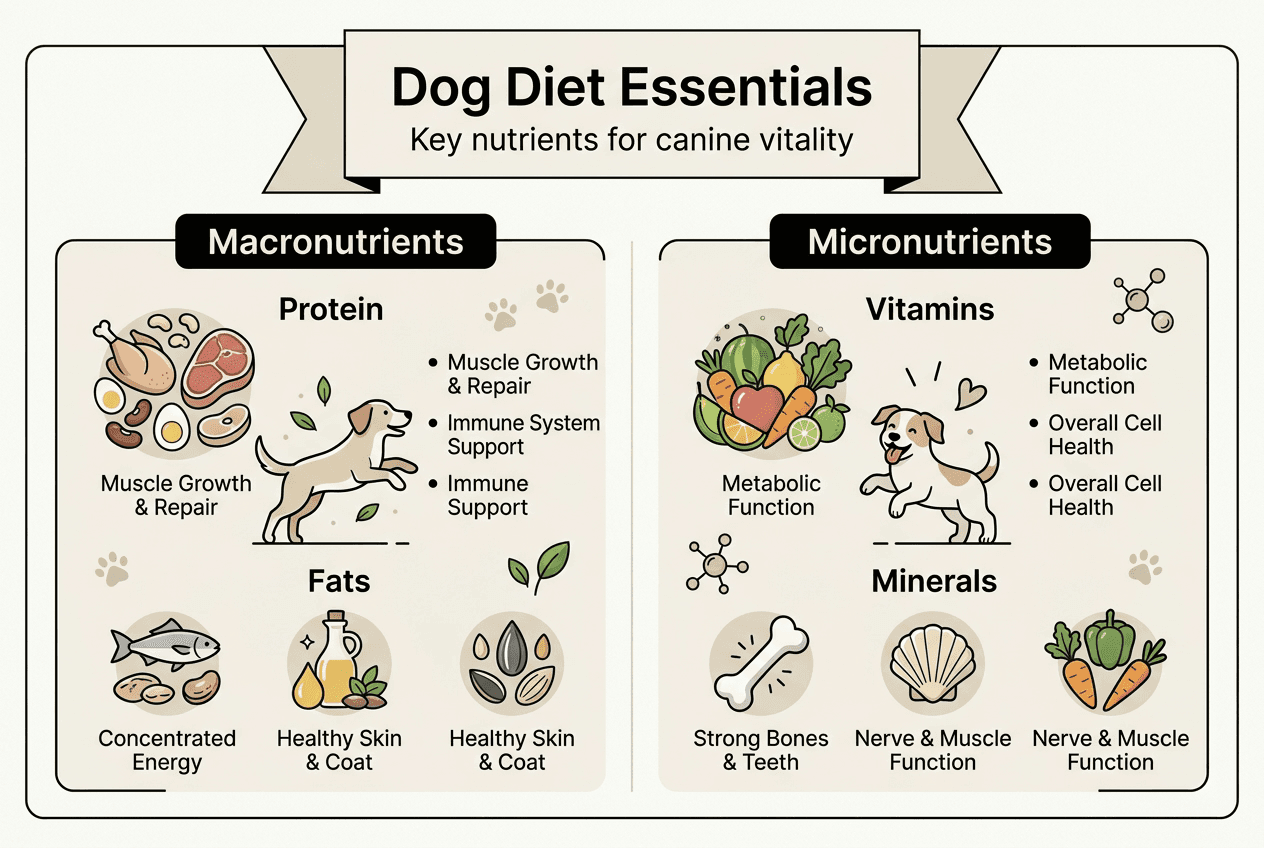
Macronutrients form the foundation of canine nutrition. Proteins supply amino acids for tissue repair and muscle maintenance. Fats provide concentrated energy and support cellular function. Carbohydrates offer readily available fuel for daily activities. Beyond these basics, micronutrients including vitamins and minerals regulate countless metabolic processes that determine whether your dog merely survives or truly thrives.
Veterinarians consistently emphasize that balanced nutrition for dogs requires careful attention to both nutrient quality and bioavailability. Cheap protein sources may technically meet minimum requirements on paper, but they often lack the amino acid profiles and digestibility that premium ingredients deliver. This distinction becomes increasingly critical as dogs age and their metabolic efficiency naturally declines.
The aging process itself responds dramatically to nutritional intervention. Dogs fed premium diets typically maintain better muscle mass, experience fewer inflammatory conditions, and show improved cognitive function compared to those consuming conventional foods. Your dog’s body constantly repairs cellular damage, and the raw materials for this repair come exclusively from diet.
Pro Tip: Evaluate dog food labels by checking the first five ingredients, which comprise the majority of the formula. Premium foods list specific protein sources like chicken, beef, or salmon rather than generic terms like meat meal or animal byproducts.
Nutritional deficiencies accumulate slowly, making them easy to overlook until significant health issues emerge. By understanding these fundamentals, you position yourself to make proactive choices that preserve your dog’s vitality for years to come.
Key nutrients and their roles in boosting dog vitality
Protein stands as the most critical macronutrient for maintaining canine vitality. Dogs require protein in dog nutrition not just for muscle development but for enzyme production, hormone synthesis, and immune system function. High-quality proteins from whole meat sources provide complete amino acid profiles that support cellular repair and energy metabolism. Senior dogs particularly benefit from elevated protein intake to combat age-related muscle loss.
Protein and micronutrients like B vitamins are essential for vitality and healthy aging, with research confirming their synergistic effects on metabolic efficiency. The vitamin B complex supports energy production at the cellular level, enabling dogs to convert food into usable fuel more effectively. B vitamins also play crucial roles in nervous system health and cognitive function, helping maintain mental sharpness as dogs age.
Antioxidants represent another vital category for vitality enhancement. These compounds neutralize free radicals that accelerate aging and contribute to chronic disease. Key antioxidants for dogs include:
Vitamin E protecting cell membranes from oxidative damage
Vitamin C supporting immune function and collagen synthesis
Beta-carotene promoting eye health and immune response
Selenium working synergistically with vitamin E for cellular protection
Omega-3 fatty acids from sources like fish oil deliver powerful anti-inflammatory benefits. They support joint health, reduce arthritis symptoms, promote cardiovascular function, and maintain healthy skin and coat. These essential fats also influence brain health, potentially slowing cognitive decline in senior dogs.
Pro Tip: Look for dog foods listing essential nutrients for senior dogs on their guaranteed analysis panels, including specific vitamin and mineral percentages rather than vague claims about complete nutrition.
Mineral balance matters tremendously for vitality. Calcium and phosphorus support bone density, zinc promotes immune function and wound healing, and iron enables oxygen transport throughout the body. However, excessive mineral supplementation can create imbalances, making properly formulated complete diets superior to random supplementation.
The bioavailability of these nutrients varies dramatically based on ingredient quality and processing methods. Whole food sources typically offer superior absorption compared to synthetic additives, explaining why premium natural diets consistently outperform budget alternatives in supporting long-term vitality.
How premium natural diets enhance vitality compared to conventional foods
The gap between premium natural diets and conventional commercial foods extends far beyond marketing claims. Premium formulations prioritize natural nutrition for canine vitality through carefully selected whole ingredients that maximize nutrient density and bioavailability. Conventional foods often rely on rendered meat meals, grain fillers, and synthetic vitamin premixes that technically meet minimum standards but fail to optimize health outcomes.
Feature | Premium Natural Diet | Conventional Commercial Food |
Protein source | Named whole meats (chicken, beef, fish) | Generic meat meals, animal byproducts |
Processing method | Minimal processing, freeze-dried or gently cooked | High-heat extrusion, multiple processing steps |
Ingredient quality | Human-grade, whole food sources | Feed-grade, processed components |
Digestibility | 85-95% nutrient absorption | 65-75% nutrient absorption |
Additive content | No artificial preservatives, colors, or flavors | Often contains synthetic additives |
Premium natural diets improve vitality by providing higher-quality nutrients and fewer harmful additives, creating measurable differences in health outcomes. Dogs consuming premium diets typically demonstrate:
Enhanced energy levels and sustained activity throughout the day
Improved coat quality with reduced shedding and skin issues
Better digestive health with smaller, firmer stools
Stronger immune response and fewer chronic health problems
Maintained healthy weight without constant hunger
Freeze-dried processing preserves nutritional integrity by removing moisture at low temperatures, protecting heat-sensitive vitamins and enzymes that conventional kibble manufacturing destroys. This gentle preservation method retains the biological value of raw ingredients while ensuring food safety through pathogen elimination.

The absence of fillers in premium foods means your dog receives concentrated nutrition in every bite. Conventional foods often bulk up formulas with corn, wheat, and soy, which provide calories but limited nutritional value. These fillers can trigger allergies, contribute to inflammation, and leave dogs perpetually hungry despite consuming adequate calories.
Artificial preservatives like BHA, BHT, and ethoxyquin commonly found in conventional foods raise concerns about long-term health effects. Premium natural diets use vitamin E and other natural preservatives, eliminating potential toxin exposure that accumulates over years of daily feeding.
Pro Tip: Calculate the true cost per feeding rather than per pound when comparing foods. Premium diets require smaller portions due to higher nutrient density, often making them more economical than they initially appear while delivering superior diet impacts dog energy outcomes.
Practical feeding strategies to maximize your dog’s vitality
Transitioning to a premium diet requires a methodical approach to prevent digestive upset and ensure successful adoption. Follow these steps for optimal results:
Begin with a 75/25 ratio of old to new food for the first three days, monitoring stool quality and energy levels closely.
Progress to a 50/50 mixture for days four through six, watching for any signs of digestive sensitivity or food refusal.
Shift to 25/75 old to new food for days seven through nine, allowing your dog’s digestive enzymes to fully adapt.
Complete the transition to 100% new food by day ten, establishing this as the permanent feeding protocol.
Maintain consistent meal times at the same hours daily to regulate metabolism and digestive function.
Measure portions precisely using a kitchen scale rather than estimating with cups to prevent overfeeding.
Proper feeding practices maximize nutrient absorption and vitality benefits, making timing and portion control as important as food quality itself. Most adult dogs thrive on two meals daily, spaced approximately 12 hours apart. This schedule maintains stable blood sugar levels and prevents the metabolic stress of single large meals.
Portion sizes depend on your dog’s weight, activity level, and metabolic rate. Premium foods typically require 20 to 30% less volume than conventional kibble due to higher caloric density and nutrient concentration. Start with manufacturer recommendations, then adjust based on body condition scoring over several weeks. You should easily feel your dog’s ribs without excess fat covering, and observe a visible waist when viewed from above.
Hydration amplifies nutritional benefits significantly. Ensure fresh water availability at all times, and consider adding moisture to dry foods for enhanced palatability and improved nutrient absorption. Many dogs naturally drink less than optimal amounts, making moisture-rich foods or water additions beneficial for kidney function and overall health.
Veterinary monitoring provides essential feedback for nutritional optimization. Schedule wellness exams every six months for adult dogs and quarterly for seniors. Blood work reveals nutritional deficiencies or imbalances before clinical symptoms appear, allowing proactive dietary adjustments. Discuss balanced nutrition health impact with your veterinarian to establish baseline health markers.
Supplementation should complement rather than replace quality nutrition. While premium diets provide complete nutrition, individual dogs may benefit from targeted supplements based on specific health conditions. Joint support formulas help active or aging dogs, probiotics aid digestive health, and omega-3 supplements address inflammatory conditions. Always consult your veterinarian before adding supplements to avoid creating nutrient imbalances.
Pro Tip: Photograph your dog monthly from the same angle and distance to track subtle body condition changes that daily observation might miss, helping you fine-tune portions for optimal vitality.
Environmental factors influence feeding success. Feed in a quiet, consistent location free from competition or stress. Some dogs benefit from elevated feeders that reduce neck strain, while others do better with puzzle feeders that slow consumption and provide mental stimulation. Understanding the profound role of diet dog longevity motivates consistent application of these evidence-based feeding strategies.
Explore premium freeze-dried dog foods for vitality
After understanding how nutrition fundamentally shapes canine vitality, the next step involves selecting foods that embody these principles. Loyal Saints Pets offers vet-approved freeze-dried formulations crafted from human-grade proteins, fruits, and vegetables that preserve nutritional integrity while meeting AAFCO standards. These minimally processed foods deliver the concentrated nutrition your dog needs without fillers or artificial additives.
The benefits of freeze-dried dog food extend beyond simple convenience. This preservation method locks in vitamins, enzymes, and amino acids that conventional processing destroys, giving your dog access to nutrition that more closely resembles whole food sources. Each formula supports specific vitality goals, from muscle maintenance to immune enhancement, allowing you to match nutrition precisely to your dog’s needs. Explore the complete range of shop premium dog foods designed to extend healthy, active years with your companion.
Frequently asked questions
What is the best diet to enhance my dog’s vitality?
The optimal diet combines high-quality animal proteins, balanced fats, complex carbohydrates, and essential vitamins and minerals from whole food sources. Premium freeze-dried or minimally processed foods typically deliver superior vitality benefits compared to conventional kibble. Look for vet-approved formulations meeting AAFCO standards with named protein sources as primary ingredients.
How quickly will I notice vitality improvements after changing my dog’s diet?
Most dogs show initial energy and coat quality improvements within two to four weeks of transitioning to premium nutrition. Significant changes in muscle tone, immune function, and overall vitality typically become apparent after eight to twelve weeks of consistent feeding. Long-term benefits including healthy aging markers may take several months to fully manifest.
Can senior dogs benefit from dietary changes to improve vitality?
Absolutely. Senior dogs often experience dramatic vitality improvements when switched to premium diets formulated for their life stage. Enhanced protein levels combat muscle loss, while targeted nutrients support joint health, cognitive function, and immune response. Many owners report their senior dogs acting years younger after dietary optimization.
Are grain-free diets better for dog vitality?
Grain-free formulations benefit dogs with specific grain sensitivities or allergies but are not universally superior for vitality. The quality of protein sources and overall nutrient density matter more than grain inclusion alone. Some dogs thrive on formulas containing whole grains like brown rice or oats, which provide valuable fiber and nutrients.
How do I know if my dog’s current diet supports optimal vitality?
Assess your dog’s energy consistency, coat quality, body condition, stool quality, and overall enthusiasm for activities. Dogs receiving optimal nutrition maintain stable energy throughout the day, have shiny coats without excessive shedding, hold healthy weight easily, and produce firm, small stools. Regular veterinary bloodwork provides objective confirmation of nutritional adequacy.
What role do supplements play in enhancing dog vitality?
Supplements address specific health needs or fill gaps in dogs with unique requirements, but they should complement rather than replace quality base nutrition. Premium complete diets typically provide all essential nutrients, making supplementation unnecessary for most healthy dogs. Consult your veterinarian before adding supplements to avoid creating imbalances or interactions.
Recommended