.png)
Benefits of Natural Dog Food for Healthier Pets
- Nick Willkom
- Dec 9, 2025
- 6 min read


Most American pet owners believe that products labeled as natural are automatically healthier for their dogs, yet studies show labeling alone can be misleading. Choosing what goes into your canine companion’s bowl has real consequences for their long-term health. This guide uncovers the truth behind the natural dog food trend, clarifying what natural actually means and offering facts to help you make smarter nutrition choices for your best friend.
Table of Contents
Key Takeaways
Point | Details |
Definition of Natural Dog Food | Natural dog food must consist exclusively of whole ingredients from plant, animal, or mined sources without chemical alterations. |
Importance of Balanced Nutrition | High-quality dog food prioritizes essential nutrients such as proteins, fats, carbohydrates, vitamins, and minerals to support overall health. |
Nuances in Health Claims | Natural diets do not universally enhance health; a tailored approach considering individual dog needs is crucial. |
Evaluating Food Quality | Focus on ingredient sourcing, nutritional completeness, and veterinarian recommendations rather than marketing labels. |
Natural Dog Food Defined and Debunked
Defining “natural” dog food isn’t as straightforward as most pet owners assume. According to the American Animal Hospital Association, natural pet foods must consist exclusively of ingredients derived from plant, animal, or mined sources without chemical alterations. This definition challenges many assumptions about what truly qualifies as “natural” nutrition for our canine companions.
Research from the Journal of Animal Science reveals significant nuances in natural dog food labeling. Many brands exploit consumer perceptions by using marketing terms that suggest superior nutrition without substantial scientific backing. The key distinctions include:
Minimally Processed: Ingredients remain close to their original state
No Synthetic Additives: Excludes artificial preservatives, colors, or flavors
Whole Food Sources: Prioritizes recognizable protein, vegetable, and fruit components
Understanding these criteria helps pet owners make more informed nutritional choices. Natural dog food isn’t just a trendy label but a carefully defined approach to canine nutrition that emphasizes whole, unmodified ingredients supporting optimal health and wellness.
Key Ingredients in Premium Dog Nutrition
Understanding the core components of high-quality dog nutrition requires a deep dive into the essential ingredients that support canine health. Comprehensive nutritional research highlights five fundamental nutritional categories that form the backbone of premium dog food: proteins, fats, carbohydrates, vitamins, and minerals. Each plays a critical role in maintaining your dog’s overall wellness and vitality.
Premium dog nutrition goes far beyond simply filling a bowl. Veterinary experts emphasize that balanced nutrients matter more than trendy marketing labels. The most important ingredients include:
High-Quality Proteins: Lean meats like chicken, turkey, fish
Essential Fatty Acids: Omega-3 and Omega-6 for coat and skin health
Complex Carbohydrates: Sweet potatoes, brown rice, quinoa
Natural Vitamins: Derived from whole fruits and vegetables
Mineral Supplements: Calcium, phosphorus, zinc for bone strength
Careful ingredient selection transforms dog food from mere sustenance into a powerful tool for supporting long-term health. By prioritizing whole, nutrient-dense ingredients, pet owners can provide their dogs with optimal nutrition that supports muscle development, energy levels, and overall physiological function.

How Natural Food Supports Vitality and Wellness
The concept of natural dog food supporting canine vitality is more nuanced than most pet owners realize. Scientific research from the Journal of Animal Science reveals that claims about natural diets inherently enhancing wellness require careful scrutiny. While many pet owners believe natural foods automatically translate to better health, the reality is far more complex and individualized.
Veterinary experts caution against blanket assumptions about natural food benefits. The true indicators of a dog’s wellness extend beyond marketing labels and require a holistic approach to nutrition. Key factors that genuinely support vitality include:
Balanced Nutrient Profile: Ensuring complete nutritional requirements
Protein Quality: High-digestibility animal proteins
Minimal Processing: Preserving natural nutritional integrity
Individualized Dietary Needs: Considering age, breed, and health conditions
Consistent Nutritional Density: Maintaining stable energy levels
Ultimately, supporting a dog’s vitality means understanding their unique metabolic requirements. Natural food can be a powerful tool, but it’s not a universal solution. Pet owners should prioritize scientifically formulated, whole-ingredient diets that meet their individual dog’s specific health needs and support long-term wellness through targeted, thoughtful nutrition.
Digestive Health, Allergies, and Immune Benefits
Research from the American Animal Hospital Association reveals that natural diets are not a magical solution for digestive issues, allergies, or immune health. While many pet owners believe switching to natural foods will resolve complex health problems, the reality is far more nuanced and requires a comprehensive approach to canine nutrition.
Veterinary experts caution against oversimplifying dietary solutions for pet health challenges. The most effective strategies for supporting digestive wellness, managing allergies, and boosting immunity include:
Whole Food Ingredients: Minimally processed, nutrient-dense components
Probiotics: Supporting gut microbiome balance
Limited Ingredient Formulas: Reducing potential allergen exposure
Balanced Protein Sources: Supporting immune system function
Omega Fatty Acids: Reducing inflammation and supporting skin health
Improving a dog’s overall health requires more than simply switching to a natural food label. Pet owners should work closely with veterinarians to develop targeted nutrition plans that address specific health concerns, considering individual factors like breed, age, existing health conditions, and unique metabolic needs. A thoughtful, science-backed approach remains the most reliable path to supporting canine digestive health, managing allergies, and enhancing immune function.
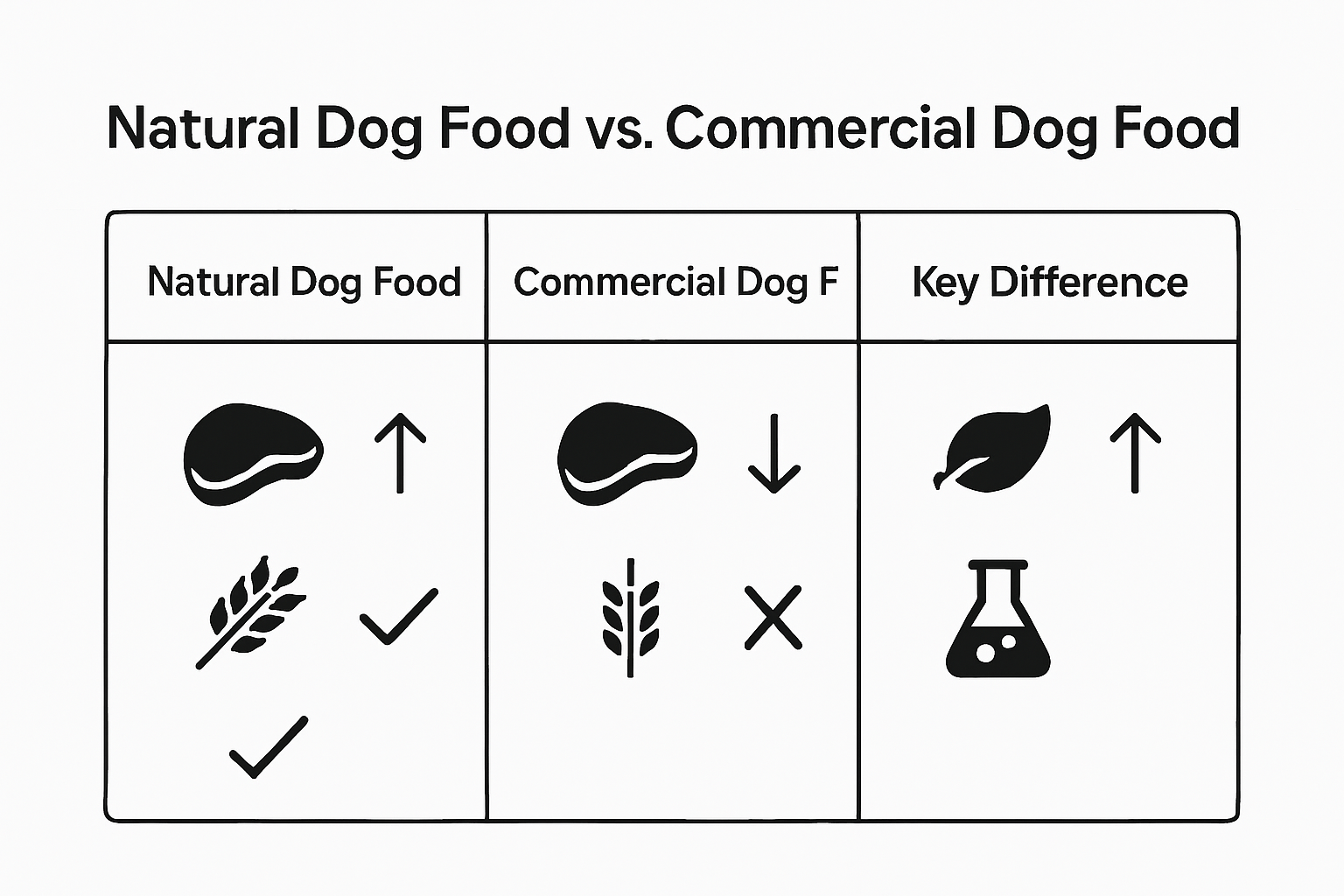
Comparing Natural and Commercial Dog Foods
Scientific research from the Journal of Animal Science reveals that the distinctions between natural and commercial dog foods are far more complex than most pet owners realize. The term “natural” lacks a standardized, rigorous definition, creating significant confusion about what truly constitutes a high-quality dog food. Commercial and natural dog foods often share more similarities than differences, challenging the popular narrative of natural foods being inherently superior.
Veterinary experts emphasize the importance of looking beyond marketing labels. Key comparative factors between natural and commercial dog foods include:
Ingredient Sourcing: Origin and processing methods of primary components
Nutritional Completeness: Balanced nutrient profiles
Processing Techniques: Minimal versus extensive food preparation
Regulatory Oversight: Compliance with nutrition standards
Cost and Accessibility: Price point and availability differences
Ultimately, the most critical factor is not whether a food is labeled “natural” or “commercial,” but whether it provides complete, balanced nutrition tailored to a dog’s individual needs. Pet owners should prioritize scientific nutritional content, veterinarian recommendations, and their specific dog’s health requirements over trendy marketing terms.
Discover the Power of Natural Nutrition for Your Dog’s Health
Choosing the right food to support your dog’s vitality, digestive health, and allergy management can be challenging. The article highlights the importance of balanced nutrients, high-quality proteins, and minimally processed ingredients rather than relying on marketing labels alone. Loyal Saints Pets understands these critical needs by offering premium freeze-dried foods made from human-grade, whole ingredients like real chicken and beef. Our products provide complete, balanced nutrition designed to enhance muscle strength, skin health, and long-term wellness.
Explore our selection of Chicken | Loyal Saints and Beef | Loyal Saints options crafted to meet AAFCO standards without additives or fillers.
Ready to give your dog natural nutrition that truly makes a difference? Visit Loyal Saints Pets now to find wholesome, vet-approved formulas that support a happier, healthier life. Act today and enjoy free shipping on orders over the minimum threshold to bring home the best in natural pet nutrition.
Frequently Asked Questions
What defines natural dog food?
Natural dog food is defined by ingredients derived exclusively from plant, animal, or mined sources without chemical alterations. It emphasizes whole, minimally processed ingredients and excludes synthetic additives.
How can natural dog food support my pet’s health?
Natural dog food can support pet health by providing high-quality proteins, essential fatty acids, vitamins, and minerals that contribute to overall wellness, energy levels, and proper bodily functions.
Are natural dog foods better than commercial options?
The differences between natural and commercial dog foods are complex. While ‘natural’ foods often use whole ingredients, both types can vary significantly in nutritional quality. It’s essential to focus on complete, balanced nutrition tailored to your dog’s needs, rather than solely on marketing labels.
How do I choose the right natural dog food for my pet?
Choosing the right natural dog food involves considering your dog’s individual needs, including their age, breed, health conditions, and dietary preferences. Consult with a veterinarian for personalized recommendations and ensure the food meets complete nutritional standards.
Recommended
Comments