.png)
7 Essential Dog Nutrition Tips 2025 for Urban Pet Owners
- Nick Willkom
- Jan 20
- 11 min read


Choosing the best food for your dog in a busy city can feel overwhelming, especially with endless ingredient lists and flashy labels. Your urban lifestyle demands food that keeps up with your dog’s energy and supports their unique health needs. The right choices give your dog real nutrition without the confusion or hidden risks that come from low-quality options.
This guide reveals practical steps backed by veterinary science and expert recommendations. You’ll discover facts like how freeze-dried and human-grade dog foods are more digestible, why whole ingredients matter, and how to address issues like allergies or changing nutritional needs as your dog ages. Each point delivers a clear strategy you can use today to improve your dog’s diet and wellbeing.
Get ready to learn specific, actionable ways to ensure your dog receives balanced nutrition, maintains a healthy weight, and thrives in an urban environment. The proven insights ahead will help make smarter food choices simple and stress-free.
Table of Contents
Quick Summary
Key Message | Explanation |
1. Choose Premium Freeze-Dried Food | Select freeze-dried dog food for concentrated nutrition that resembles a natural diet, focusing on whole ingredients and high-quality proteins. |
2. Focus on Whole Ingredients | Prioritize dog foods with whole, minimally processed ingredients for better nutrient absorption, improving your dog’s energy and overall health. |
3. Balance Nutritional Needs by Life Stage | Adapt your dog’s diet based on their age and activity level to ensure proper growth and health; consult with your veterinarian for tailored recommendations. |
4. Address Allergies with Limited Ingredient Diets | Use limited ingredient diets to identify allergens and manage food sensitivities, focusing on high-quality and novel protein sources for better health. |
5. Monitor Weight and Adjust Portions | Regularly assess your dog’s weight and ensure proper portion control to prevent obesity and related health issues, consulting with your veterinarian for guidance. |
1. Choose High-Quality Freeze-Dried Dog Food
Urban dog owners now have a powerful nutritional strategy for their furry companions: selecting high-quality freeze-dried dog food. This innovative feeding approach provides concentrated nutrition that closely mimics a dog’s natural diet while offering unparalleled convenience for busy pet parents.
Freeze-dried dog food represents a nutritional breakthrough, preserving the maximum amount of nutrients through a specialized dehydration process. By removing moisture while maintaining the food’s cellular structure, these diets lock in essential proteins, vitamins, and minerals at their peak nutritional value. Nutritional research demonstrates that freeze-dried foods have higher standardized amino acid digestibility compared to traditional extruded diets.
When selecting a freeze-dried dog food, prioritize options made with whole food ingredients and minimal processing. Look for products that list high-quality animal proteins as the first ingredients proteins like chicken, beef, or fish. Avoid foods with artificial preservatives, fillers, or unspecified meat byproducts.
Pay attention to the protein content and ensure it matches your dog’s specific life stage and activity level. Puppies, adult dogs, and senior pets have different nutritional requirements, so choose a formula specifically designed for your dog’s age and health needs.
Consider your dog’s individual health profile when making a selection. Dogs with allergies, sensitive stomachs, or specific dietary restrictions might benefit tremendously from the clean ingredient profiles typically found in premium freeze-dried foods.
Pro tip: Gradually transition to freeze-dried food by mixing it with your dog’s current diet over 7-10 days to prevent digestive upset and allow for smooth nutritional adaptation.
2. Prioritize Whole Ingredients with Proven Benefits
Nutrition experts now recognize whole ingredients as the foundation of optimal canine health. Urban dog owners can dramatically improve their pet’s wellbeing by selecting foods crafted from high quality, minimally processed ingredients that deliver genuine nutritional value.
Research on human-grade dog food demonstrates that whole ingredient diets provide superior nutrient absorption and digestibility compared to traditional processed kibble. These foods offer more bioavailable nutrients which support your dog’s energy levels, immune function, and overall vitality.
When evaluating dog food ingredients, look beyond marketing claims and examine the actual nutritional profile. Prioritize foods with whole protein sources like chicken, beef, or fish listed as the first ingredients. Avoid products with generic meat byproducts, artificial preservatives, or excessive grain fillers.
Consider your dog’s unique nutritional needs based on age, breed, activity level, and any specific health conditions. Whole food diets can be particularly beneficial for dogs with allergies, sensitive digestion, or those requiring specialized nutrition management.
Seek out foods that include whole fruits and vegetables, which provide essential vitamins, minerals, and antioxidants. Ingredients like sweet potatoes, blueberries, and spinach offer natural nutritional boosts that support your dog’s overall health and immune system.
Pro tip: Rotate protein sources and ingredients periodically to provide a diverse range of nutrients and prevent potential food sensitivities from developing.
3. Ensure Balanced Nutrition for All Life Stages
Balanced nutrition is the cornerstone of your dog’s lifelong health and vitality. Understanding how nutritional needs evolve from puppyhood through senior years is crucial for urban pet owners committed to their dog’s wellbeing.
AAFCO nutrition guidelines provide critical insights into creating comprehensive dietary plans for dogs across different life stages. Puppies require higher protein and calorie content to support rapid growth, while adult dogs need carefully balanced maintenance nutrition, and seniors demand specialized diets that support joint health and metabolic changes.
Each life stage presents unique nutritional challenges. Puppies need more calories and specific nutrient ratios to support bone development and muscle growth. Adult dogs require a consistent balance of proteins, fats, and carbohydrates to maintain ideal body condition. Senior dogs benefit from reduced calorie diets with enhanced joint support and easily digestible proteins.
Consider your dog’s specific breed, size, and activity level when selecting nutrition. Large breed puppies, for instance, need controlled calcium levels to prevent joint issues, while small breed dogs metabolize nutrients differently and require more frequent feeding with concentrated nutrition.
Consult with your veterinarian to create a personalized nutrition plan that adapts as your dog ages. Regular health checks can help you fine tune dietary requirements and address any emerging nutritional needs or health concerns.
Pro tip: Transition between life stage dog foods gradually over 7 to 10 days to prevent digestive upset and allow your dog’s system to adjust to new nutritional profiles.
4. Manage Allergies with Limited Ingredient Diets
Dog allergies are increasingly common among urban pets, causing discomfort and potential long term health challenges. Limited ingredient diets offer a strategic approach to identifying and managing food sensitivities that can dramatically improve your dog’s quality of life.
Veterinary research highlights that simplified diets can effectively reduce allergic reactions by minimizing exposure to common trigger ingredients. These diets typically feature a single protein source and one carbohydrate, making it easier to pinpoint specific allergens that might be causing skin irritation, digestive issues, or chronic inflammation.
Identifying food allergies requires a systematic approach. Start by working with your veterinarian to conduct an elimination diet, which involves removing all potential allergens and slowly reintroducing ingredients to determine specific sensitivities. Common allergenic ingredients for dogs include beef, dairy, chicken, wheat, and soy.
When selecting a limited ingredient diet, prioritize high quality protein sources that are novel or less commonly used such as duck, venison, or fish. These proteins are less likely to have triggered previous allergic responses and can provide essential nutrition while helping to manage your dog’s symptoms.
Monitor your dog closely during dietary transitions. Watch for improvements in skin condition, coat quality, digestive function, and overall energy levels. Keep a detailed journal documenting any changes in symptoms to help your veterinarian make informed nutritional recommendations.
Pro tip: Introduce new limited ingredient foods gradually over 10 to 14 days, mixing increasing proportions with the old diet to prevent digestive upset and allow your dog’s system to adapt.
5. Consult Your Veterinarian for Personalized Plans
Navigating your dog’s nutritional journey requires expert guidance tailored to their unique health profile. Veterinarians are invaluable partners in developing comprehensive nutrition strategies that support your pet’s specific needs and long term wellness.
Veterinary nutritionists provide critical insights into creating customized dietary plans that go far beyond generic feeding recommendations. They analyze multiple factors including your dog’s age, breed, weight, activity level, medical history, and potential genetic predispositions to design nutrition plans that optimize health and prevent potential issues.
Prepare for your veterinary nutrition consultation by gathering important information about your dog’s current diet, health history, and any observed symptoms or concerns. Be ready to discuss your dog’s daily routine, exercise patterns, and any previous dietary challenges or allergies you might have noticed.
A comprehensive nutrition consultation typically involves a thorough physical examination, review of past medical records, and potentially diagnostic tests to assess your dog’s current health status. Your veterinarian might recommend specific dietary adjustments, supplement strategies, or specialized nutritional approaches based on their findings.
Understand that personalized nutrition is an ongoing process. Regular follow up appointments allow your veterinarian to track your dog’s progress, adjust nutritional plans as needed, and address any emerging health concerns that might impact dietary requirements.
Pro tip: Bring a detailed food diary and recent photographs documenting your dog’s physical condition to your veterinary nutrition consultation to provide the most comprehensive overview of your pet’s health.
6. Monitor Your Dog’s Weight and Adjust Portions
Weight management is a critical component of your dog’s overall health and longevity. Urban pet owners must stay vigilant about their dog’s nutritional intake and body condition to prevent obesity and related health complications.
Veterinary research emphasizes the importance of regular body condition assessments and precise portion control. Dogs require individualized nutrition plans that adapt to their changing metabolic needs, activity levels, and age.
Learn to assess your dog’s body condition by feeling their ribs and observing their waistline. A healthy dog should have a visible waist when viewed from above and ribs that are easily felt but not prominently visible. Excess weight can lead to serious health issues including joint problems, diabetes, and reduced life expectancy.
Determine your dog’s ideal calorie intake based on their ideal body weight, not their current weight. Factors like breed, age, activity level, and neutered status significantly impact metabolic requirements. Consult with your veterinarian to establish a precise baseline for daily caloric needs.
Implement a consistent feeding schedule and measure portions precisely. Avoid free feeding and treat your dog’s meals like a nutritional prescription. Use a kitchen scale for accuracy and adjust portions incrementally based on weight changes and veterinary recommendations.
Pro tip: Weigh your dog monthly and keep a detailed log to track gradual weight changes, allowing for swift nutritional interventions before weight becomes a significant health concern.
7. Stay Informed on AAFCO Standards and Trends
Navigating the complex world of pet nutrition requires understanding the gold standard for pet food regulations. The Association of American Feed Control Officials sets critical guidelines that ensure the safety and nutritional adequacy of commercial dog foods.
AAFCO standards provide critical oversight for pet food manufacturing, establishing rigorous requirements for ingredient quality, nutritional completeness, and labeling transparency. Urban dog owners need to understand these guidelines to make informed nutritional choices for their pets.
Key areas to focus on include understanding pet food labels, ingredient definitions, and nutritional adequacy statements. Look for foods that meet AAFCO standards for your dog’s specific life stage, which will be clearly indicated on packaging with phrases like “formulated to meet the nutritional levels established by AAFCO Dog Food Nutrient Profiles”.
The 2025 updates introduce more comprehensive Pet Nutrition Facts panels, similar to human food labels. These enhanced labels will provide clearer information about protein sources, nutrient percentages, and caloric content, empowering pet owners to make more precise dietary decisions for their dogs.
Stay current with AAFCO updates by following their official communications, subscribing to veterinary nutrition newsletters, and consulting with your veterinarian about recent changes in pet food standards. Understanding these regulations helps you protect your dog’s health and make educated nutrition choices.
Pro tip: Download the AAFCO official mobile app or follow their social media channels to receive real time updates on pet food standards and nutritional guidelines.
Below is a comprehensive table summarizing the key strategies for selecting and maintaining optimal nutrition for dogs as discussed in the article.
Strategies | Implementation | Benefits and Outcomes |
Select High-Quality Freeze-Dried Food | Opt for foods with whole animal proteins, minimal processing, and absence of artificial additives. | Provides dogs with nutrition closely mimicking their natural diet while offering convenience. |
Prioritize Whole Ingredients | Choose foods containing unprocessed protein sources and natural fruits/vegetables as main ingredients. | Enhances nutrient bioavailability and supports overall canine health and vitality. |
Ensure Balanced Nutrition | Align the food selection with the dog’s life stage (puppies, adults, seniors) and health requirements. | Promotes lifelong health through diets tailored to energy and metabolic changes relevant to each stage of life. |
Address Allergies with Specific Diets | Work with a vet for elimination diets or select limited ingredient foods featuring novel protein sources. | Identifies food sensitivities, alleviating allergic reactions like skin irritation or digestive issues. |
Consult Your Veterinarian | Engage in regular consultations to tailor nutrition plans for the dog’s specific health status and needs. | Allows for precise, evidence-based dietary management that adapts to the dog’s evolving health requirements. |
Monitor Weight and Adjust Portions | Maintain a feeding schedule, measure portions, and regularly assess the dog’s weight and body condition. | Prevents obesity and associated health concerns, ensuring optimal body condition and longevity. |
Stay Current on AAFCO Standards | Understand updated pet food standards and use labels to verify nutritional adequacy for life stages. | Guides informed decisions ensuring the dog’s diet meets all regulatory safety and nutrition requirements. |
Unlock Optimal Health for Your Dog with Premium Freeze-Dried Nutrition
Urban pet owners face real challenges feeding their dogs high-quality, balanced diets that support every life stage and manage common issues like allergies or sensitive digestion. Loyal Saints Pets answers this need by offering expertly formulated freeze-dried dog food made from whole, natural ingredients. Our products deliver nutrient-rich proteins such as high-quality Chicken and Beef, combined with wholesome fruits and vegetables that promote vitality and long-term wellness.
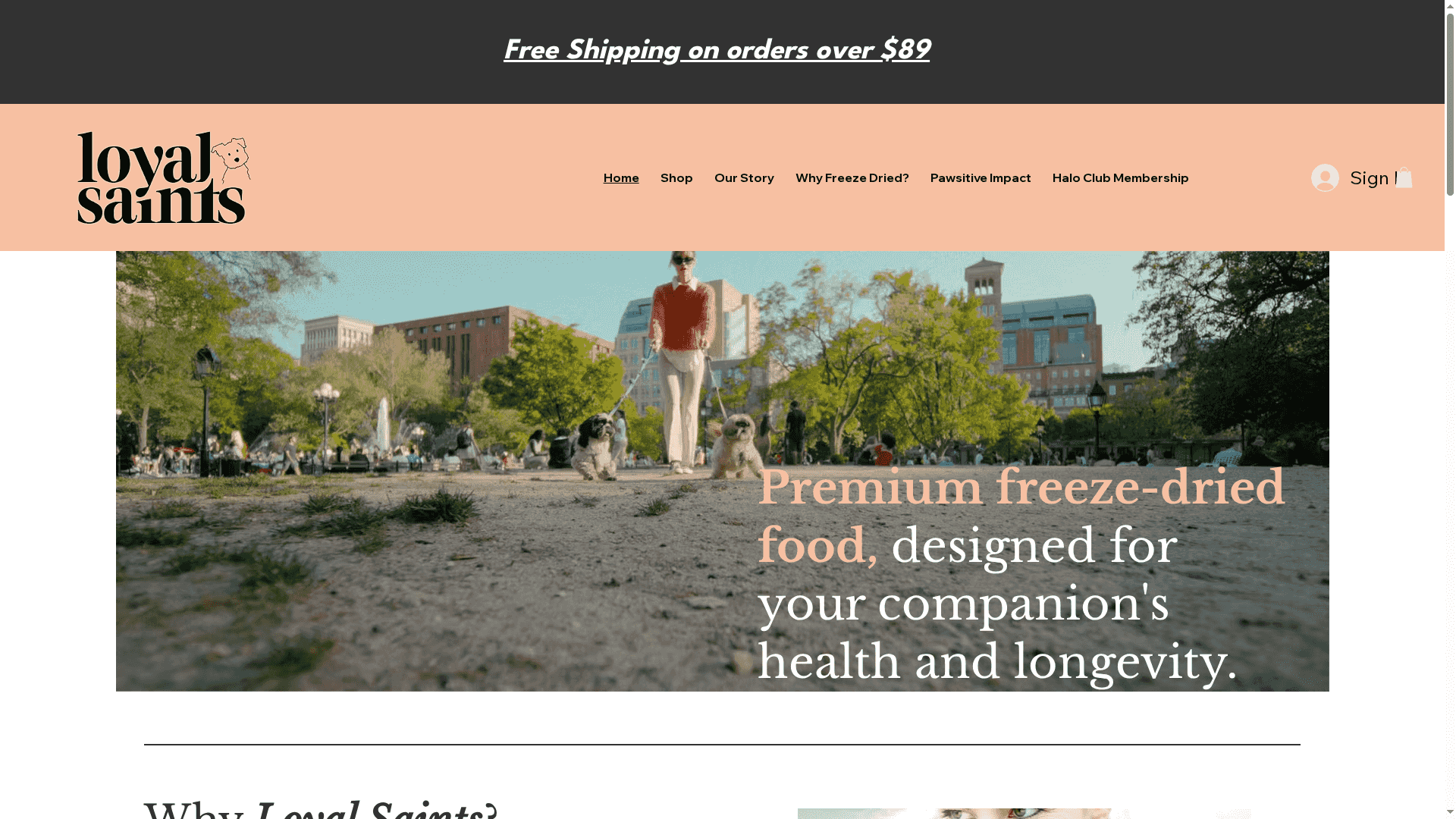
Discover the convenience and health benefits of feeding your dog food that meets leading AAFCO standards while avoiding artificial fillers and additives. Explore our carefully curated Bundles designed to simplify transitions and provide balanced nutrition tailored to your dog’s unique needs. Start your journey today toward a happier, healthier companion with Loyal Saints Pets by your side.
Frequently Asked Questions
What should I look for when choosing freeze-dried dog food?
Choose freeze-dried dog food that lists high-quality animal proteins as the first ingredient, such as chicken, beef, or fish. Avoid products with artificial preservatives and fillers, and always check for whole food ingredients to ensure maximum nutrition.
How can I transition my dog to a new diet?
Gradually transition to a new dog food by mixing it with your dog’s current diet over 7-10 days. This helps prevent digestive upset and allows time for your dog’s system to adjust to the new nutrition.
How do I manage my dog’s weight effectively?
Monitor your dog’s weight by assessing their body condition monthly. Use this information to adjust portion sizes and ensure they are receiving the appropriate calorie intake for their ideal body weight.
What are limited ingredient diets and how can they help my dog?
Limited ingredient diets feature a single protein source and limited carbohydrates, making them ideal for identifying and managing food allergies. When selecting such a diet, look for high-quality proteins that your dog hasn’t previously consumed to minimize allergy risks.
How can I ensure my dog’s diet meets AAFCO standards?
Check that the dog food packaging states it meets AAFCO guidelines for your dog’s specific life stage, which indicates nutritional adequacy. Familiarize yourself with AAFCO’s standards for ingredients and nutrient profiles to make informed decisions about your pet’s nutrition.
Why is it important to consult a veterinarian about my dog’s nutrition?
Consulting a veterinarian helps create a personalized nutrition plan tailored to your dog’s unique needs, including age, breed, and health conditions. Schedule regular follow-up appointments to adjust the plan as your dog’s needs change over time.
Recommended
Comments