.png)
Nutritional freeze-dried dog food: your complete guide
- wix mentor

- 9 hours ago
- 9 min read
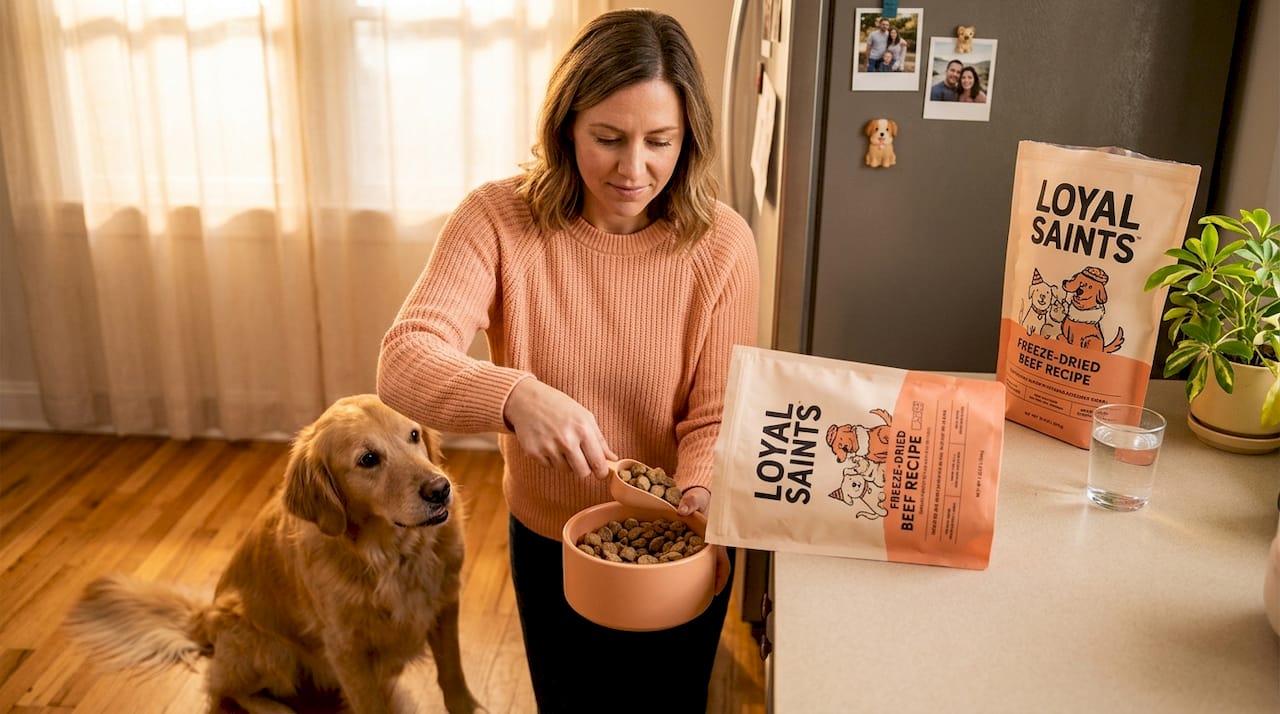
TL;DR:
Freeze-dried dog food preserves more heat-sensitive nutrients and supports overall health through high-quality ingredients. However, it is not a guaranteed pathogen-free product, so safety relies on proper sourcing, hygiene, and handling practices. Responsible owners should carefully select reputable brands and follow best handling procedures for optimal safety and nutrition.
Most dog owners who switch to freeze-dried assume they have solved two problems at once: maximum nutrition and complete food safety. That assumption is only half right. Nutritional freeze-dried dog food genuinely does preserve more of the nutrients found in raw whole ingredients than any heat-based processing method. But “nutrient-rich” and “pathogen-free” are not the same thing, and treating them as interchangeable is one of the most common mistakes health-conscious owners make. This guide covers what freeze-dried dog food actually delivers nutritionally, what it does not eliminate in terms of safety, and how to choose, feed, and store it so your dog gets every benefit it promises.
Table of Contents
Understanding freeze-dried dog food and its nutritional benefits
Choosing high-quality freeze-dried dog food: key factors to consider
Feeding and handling tips for maximizing safety and nutrition
Why freeze-dried dog food needs more than just nutrient labels and marketing
Explore premium freeze-dried dog food options from Loyal Saints
Understanding freeze-dried dog food and its nutritional benefits
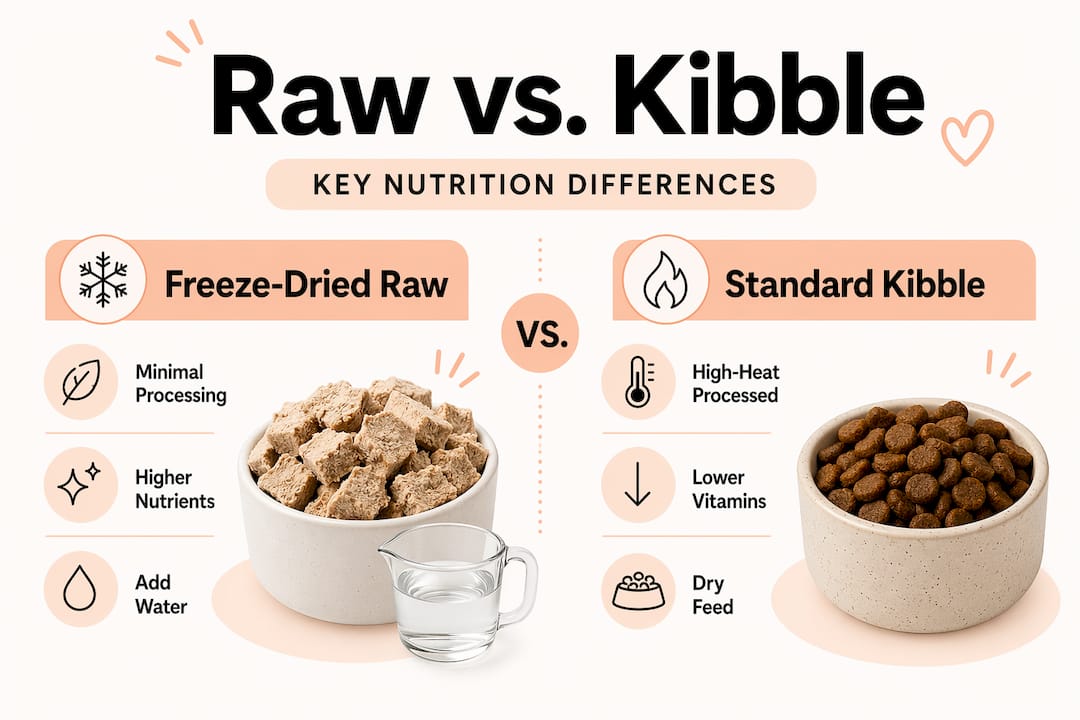
Freeze-drying is a preservation process, not a cooking method. Raw ingredients are frozen solid and then placed in a vacuum chamber where the ice converts directly to vapor without ever becoming liquid. This process, called sublimation, removes about 98 to 99% of moisture from the food without applying heat. The result is a shelf-stable product that retains the nutritional profile of raw food far better than kibble or canned alternatives.
What this means for your dog is significant. Heat-sensitive nutrients, including certain B vitamins, vitamin C, and digestive enzymes, survive the freeze-drying process in much greater quantities than they do in extruded or cooked foods. Amino acids, which are the building blocks of muscle and immune function, remain intact. The high protein and fat ratios in quality freeze-dried products support the kind of energy, coat health, and lean muscle your dog needs at any life stage. You can read more about how freeze-drying preserves nutrients in whole ingredients if you want to go deeper on the science.
Here is what nutritional freeze-dried dog food typically delivers that other formats struggle to match:
Higher bioavailable protein from muscle meat, organ meat, and sometimes whole fish or eggs
Intact enzymes that support digestion and nutrient absorption
No added fillers, starches, or artificial preservatives required to extend shelf life
Whole food vitamins and minerals rather than synthetic additions after processing
Long shelf life without refrigeration, making it practical for everyday feeding and travel
Pro Tip: When you rehydrate freeze-dried food before serving, you restore much of the original moisture content, which supports kidney health and hydration, especially in dogs that are reluctant water drinkers.
Freeze-dried dog food safety: what you need to know
Here is the fact that marketing materials rarely lead with: freeze-drying is not a kill step. A kill step is a validated process that destroys pathogens to a level regulators consider safe. Pasteurization is a kill step. High-pressure processing is a kill step. Freeze-drying is not.
Freeze-drying reduces Salmonella counts by roughly 90% to 99.9%, which sounds impressive until you realize the food still contains live bacteria. And as one resource makes clear, safety depends on upstream processing and strict hygiene practices at every stage, from the manufacturer’s facility to your kitchen counter.
“Freeze-drying is not a recognized kill step per regulatory standards, so safety depends on upstream processing and hygiene — not the freeze-drying process itself.”
This does not mean you should avoid freeze-dried raw dog diets. It means you need to be clear-eyed about where the safety responsibility lies. Manufacturers who source from high-quality suppliers, test raw ingredients for pathogens, and apply validated safety interventions before freeze-drying produce a meaningfully safer product. You can review the five steps freeze-drying companies use to control safety at each stage of production. For a deeper look at the kill step distinction, regulatory clarity is worth reading directly.
Key safety practices every freeze-dried raw dog food owner should follow:
Wash your hands before and after every handling session, including when you break apart freeze-dried patties or nuggets
Use dedicated bowls and utensils for your dog’s food and wash them after each meal
Do not leave rehydrated food sitting out for more than 30 minutes, just as you would not leave raw meat on the counter
Keep children and immunocompromised family members away from food prep areas until surfaces are cleaned
Comparing freeze-dried raw dog food to other diets
Not every dog food format is equal, and knowing the tradeoffs helps you make a smarter decision for your specific dog. Here is a direct comparison of the most popular options:
Diet type | Nutrient retention | Convenience | Safety profile | Typical cost |
Freeze-dried raw | Very high | High, no refrigeration | Moderate (pathogen risk reduced, not eliminated) | High |
Fresh raw | Highest | Low, daily prep required | Moderate to low (highest pathogen risk) | High to very high |
Dehydrated or air-dried | Moderate to high | Moderate | Moderate | Moderate to high |
Canned | Moderate | High | High (heat-sterilized) | Low to moderate |
Kibble | Low to moderate | Very high | High (extruded at high heat) | Low |
Freeze-dried dog food preserves nutrient density and enzyme activity more effectively than kibble or canned foods, which makes it the closest shelf-stable option to fresh raw feeding. Dehydrated and air-dried foods apply heat during processing, so some thermolabile (heat-sensitive) nutrients are lost. Canned food is heat-sterilized, which kills pathogens but also degrades a meaningful portion of vitamins and enzymes.
Kibble is not inherently bad. It works for millions of dogs and is economical and convenient. But if your goal is feeding closer to what a dog’s body evolved to process, freeze-dried raw dog diets sit at the top of what is realistically achievable for most households. Before switching, it helps to understand the costs versus benefits so you can plan your budget around a format your dog will actually thrive on.
Freeze-dried vs. fresh raw: Nearly equivalent nutrition, but freeze-dried wins on convenience and consistency of pathogen reduction
Freeze-dried vs. dehydrated: Freeze-dried wins on nutrient retention; dehydrated is often more affordable
Freeze-dried vs. kibble: Freeze-dried wins on protein quality and nutrient density; kibble wins on price
Pro Tip: If budget is a concern, using freeze-dried food as a topper over a quality kibble base is a practical way to improve your dog’s diet without a full switch in cost.
Choosing high-quality freeze-dried dog food: key factors to consider
Walking into the pet food aisle or browsing online, you will find freeze-dried products that range from genuinely excellent to nutritionally incomplete. Knowing what to look for protects your dog and your investment. Follow these steps when evaluating any product:
Look for an AAFCO statement. The Association of American Feed Control Officials (AAFCO) sets minimum nutritional standards for dog food. Not all freeze-dried products meet these standards. A label that says “complete and balanced” means it can serve as your dog’s sole diet. A “topper” or “supplement” label means it cannot.
Check the protein source and percentage. Named proteins (chicken, salmon, lamb) should appear first on the ingredient list. Generic “meat meal” or unnamed protein sources are a quality warning sign.
Verify organ meat inclusion. Liver and other organs provide critical micronutrients including vitamin A, B12, and zinc. Their presence signals a more nutritionally thoughtful formula.
Evaluate the calcium-to-phosphorus ratio. A balanced ratio of roughly 1.2:1 supports bone health. Imbalances can cause long-term skeletal issues, especially in growing puppies.
Watch fat percentages. Higher fat supports energy and coat health, but AAFCO standards set minimum fat requirements while some products exceed safe upper limits for dogs prone to pancreatitis.
Factor | What to look for | Red flag |
Protein | Named meat first, 30%+ dry matter | “Meat by-products” as primary |
Fat | 15 to 20% for active dogs | Over 30% without vet guidance |
Organ content | Liver or kidney listed | Muscle meat only |
AAFCO status | Complete and balanced | “For supplemental feeding only” |
Feeding trial | Validated through feeding trials | Formulated only, no trials |
Pro Tip: Products validated through AAFCO feeding trials, rather than just formulated to meet nutrient profiles, give you stronger assurance that real dogs absorbed and benefited from the nutrition as intended. Look for that distinction on the label. Check the benefits of freeze-dried nutrition and review packaging safety standards before you buy.
Feeding and handling tips for maximizing safety and nutrition
Knowing how to feed freeze-dried dog food correctly is just as important as choosing the right product. The nutrition inside the bag only reaches your dog safely if your handling keeps contamination out of the picture.
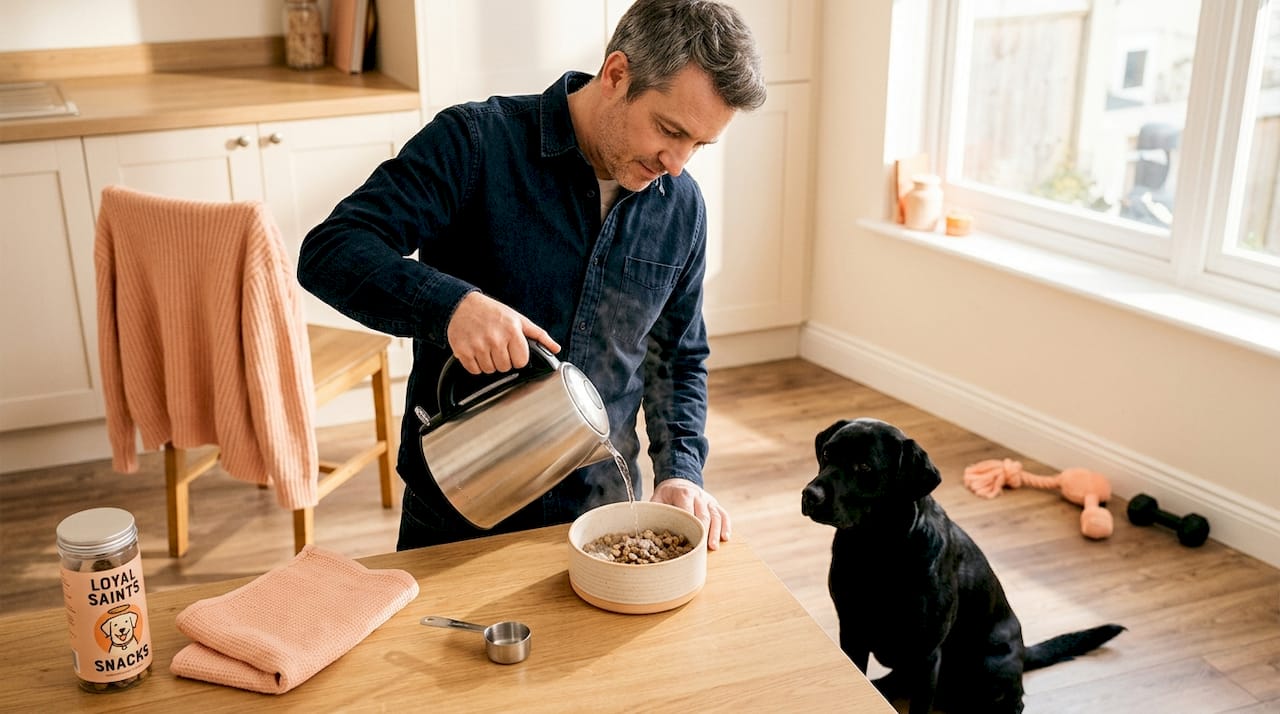
Breaking or portioning freeze-dried food at home is one of the highest-risk stages for recontamination. Small cracks or crumbles can spread bacteria to surfaces, hands, and nearby food. Treat every handling session with the same care you would give raw meat.
Here are the core practices that protect both your dog and your household:
Store unopened bags in a cool, dry cupboard away from direct sunlight; heat and humidity accelerate oxidation and can shorten shelf life even without opening
Use a dedicated scoop or spoon rather than your hands, and wash it after each use
Reseal bags tightly after every use; a bag clip or airtight transfer container works well
Follow the manufacturer’s recommended shelf life after opening, which is typically 4 to 6 weeks for most products
Feed measured portions based on your dog’s weight, age, and activity level to avoid overfeeding, which can lead to obesity and related health issues
For deeper background on the process itself, this explanation of freeze-drying for pets walks through exactly how the process works from start to finish.
Pro Tip: If you mix freeze-dried food with warm water for rehydration, use water that is warm but not boiling. Extremely hot water can degrade some of the heat-sensitive nutrients you are paying a premium to preserve.
Why freeze-dried dog food needs more than just nutrient labels and marketing
Here is what most freeze-dried dog food guides do not say clearly enough: a beautiful ingredient list is not a safety guarantee, and neither is a high price tag.
We see well-meaning owners spend significantly more on freeze-dried products because the packaging communicates quality through imagery, language, and ingredient transparency. That packaging may be completely accurate about what went into the food. What it almost never tells you is how the raw ingredients were tested before freeze-drying, whether the manufacturer uses validated pathogen controls, or what their recall history looks like.
As regulators have confirmed, freeze-drying is not a kill step, which means the safety of the final product depends entirely on what happened before the freeze-dryer ran. Sourcing, pre-processing hygiene, and pathogen testing at the ingredient level are where safety is actually built. Brands that publish third-party testing results and transparent sourcing information give you something nutrient panels cannot: accountability.
The second thing most guides skip is that your kitchen is part of the safety system. Even a perfectly manufactured product can become a contamination risk if handled carelessly at home. This is not a criticism of freeze-dried raw dog diets. It is simply the reality that raw food, even when preserved, requires more mindfulness than a scoop of kibble. Owners who understand that reality and act on it, by reviewing safety steps in freeze-drying and practicing good kitchen hygiene, consistently get the best outcomes for their dogs. The ones who treat freeze-dried food as a fully cooked, completely safe product are the ones most likely to encounter problems.
Great nutrition and responsible handling are not competing priorities. They are both part of what it means to feed your dog well.
Explore premium freeze-dried dog food options from Loyal Saints
If you are ready to put this guide into practice, Loyal Saints makes it easy to find a product that meets every standard we have covered here.
At Loyal Saints, every freeze-dried dog food is crafted from human-grade whole ingredients, formulated to meet AAFCO complete and balanced standards, and approved by veterinarians who care about what goes into your dog’s bowl. No fillers. No artificial additives. Just real proteins, organs, fruits, and vegetables preserved at peak nutrition. You can start by reading why freeze-dried dog food is the right choice for health-focused owners, then browse the full selection in the Loyal Saints shop to find the right formula for your dog’s size, age, and health goals. More tail wags are waiting.
Frequently asked questions
Is freeze-dried dog food completely safe from bacteria?
Freeze-dried dog food reduces Salmonella by 90% to 99.9% but does not make the product sterile, so proper handling and household hygiene remain essential every time you serve it.
Can freeze-dried dog food be fed as a sole diet?
Only if the label says “complete and balanced” under AAFCO standards for your dog’s life stage; complete freeze-dried raw products with that certification are suitable as a sole diet, but toppers or supplements are not.
How does freeze-dried dog food compare nutritionally to kibble?
Freeze-dried food avoids high-heat processing that degrades vitamins and proteins in kibble, which means it generally delivers better protein quality, more intact enzymes, and fewer fillers.
What storage conditions are best for freeze-dried dog food?
Store it in a sealed container in a cool, dry place away from direct sunlight; freeze-dried food stays fresh without refrigeration when properly sealed, but opened bags should be used within the manufacturer’s recommended window.
Recommended
Comments